
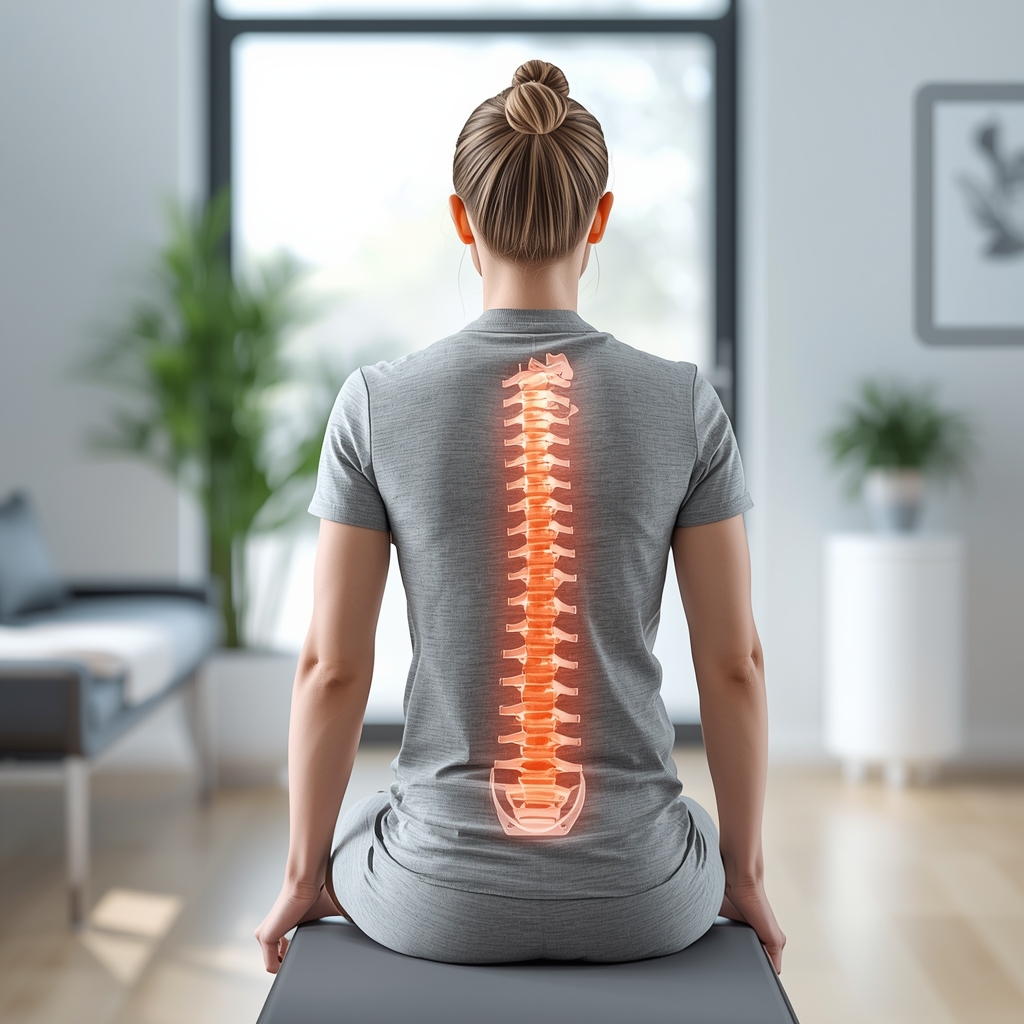
Understanding Post-Surgical Rehabilitation After Spinal Fusion
Spinal fusion surgery involves joining two or more vertebrae to stabilize the spine, often used for conditions like scoliosis or severe degeneration. Recovery typically requires a structured rehabilitation plan to restore mobility, strength, and function. Early goals focus on pain management and preventing complications like stiffness or muscle atrophy. Patients usually begin with gentle exercises, guided by physical therapists, to promote healing. Adherence to medical advice is critical, as premature activity can jeopardize the fusion. While rehabilitation varies by individual, consistency and patience are key to achieving long-term success.
Key Rehabilitation Strategies for Spinal Fusion Patients
Effective post-surgical rehabilitation often includes physical therapy, activity modification, and pain management. Physical therapists design personalized programs to improve flexibility, core strength, and posture, which support the spine during recovery. Gradual reintroduction of movement helps prevent stiffness while avoiding excessive strain. Pain management may involve medications, ice/heat therapy, or nerve blocks, as recommended by the surgeon. Patients are also advised to avoid heavy lifting or twisting motions. These strategies aim to balance healing with functional restoration, ensuring the spine stabilizes properly over time.
The Role of Physical Therapy in Spinal Fusion Recovery
Physical therapy is a cornerstone of post-surgical care, focusing on restoring mobility and preventing complications. Therapists use techniques like range-of-motion exercises, strength training, and gait re-education to help patients regain independence. Customized programs address specific limitations, such as reduced flexibility or muscle weakness, while avoiding movements that could compromise the fusion. Education on proper body mechanics and ergonomics is also critical. By progressing through stages—from passive exercises to active movement—physical therapy supports a safe return to daily activities and reduces the risk of re-injury.
How Chiropractic Care Can Complement Rehabilitation
Chiropractic care may play a supportive role in spinal fusion recovery by addressing adjacent joint mobility and muscle tension. While chiropractors avoid adjusting the fused spine itself, they can focus on surrounding areas to improve overall biomechanics. Techniques like soft tissue therapy or instrument-assisted mobilization may relieve stiffness and enhance recovery. However, it is essential to consult with the surgical team before incorporating chiropractic care, as certain interventions could interfere with healing. Chiropractors often collaborate with other healthcare providers to ensure treatments align with the patient’s rehabilitation goals and medical history.
Integrating Chiropractic and Medical Approaches
Successful recovery often requires a multidisciplinary approach, combining medical oversight with complementary therapies. Chiropractors can work alongside surgeons and physical therapists to address non-fusion-related issues, such as posture imbalances or muscle tightness. Open communication between all providers ensures treatments are safe and effective. For example, a chiropractor might recommend exercises to support spinal alignment without stressing the fusion site. Patients should prioritize transparency with their care team to avoid conflicting interventions. This collaborative model emphasizes patient safety while maximizing recovery outcomes.
When to Consider Chiropractic Care Post-Surgery
Chiropractic care may be considered once the spine has sufficiently healed, typically after the surgeon confirms the fusion is stable. At this stage, chiropractors can focus on optimizing movement patterns and preventing secondary issues in adjacent regions. However, patients must follow their surgeon’s guidelines, as premature intervention could jeopardize the procedure. A qualified chiropractor will conduct a thorough assessment to determine appropriate techniques, avoiding any direct manipulation of the fused area. Ultimately, the decision to seek chiropractic care should be made in consultation with the patient’s medical team to ensure it aligns with their unique recovery plan.















