
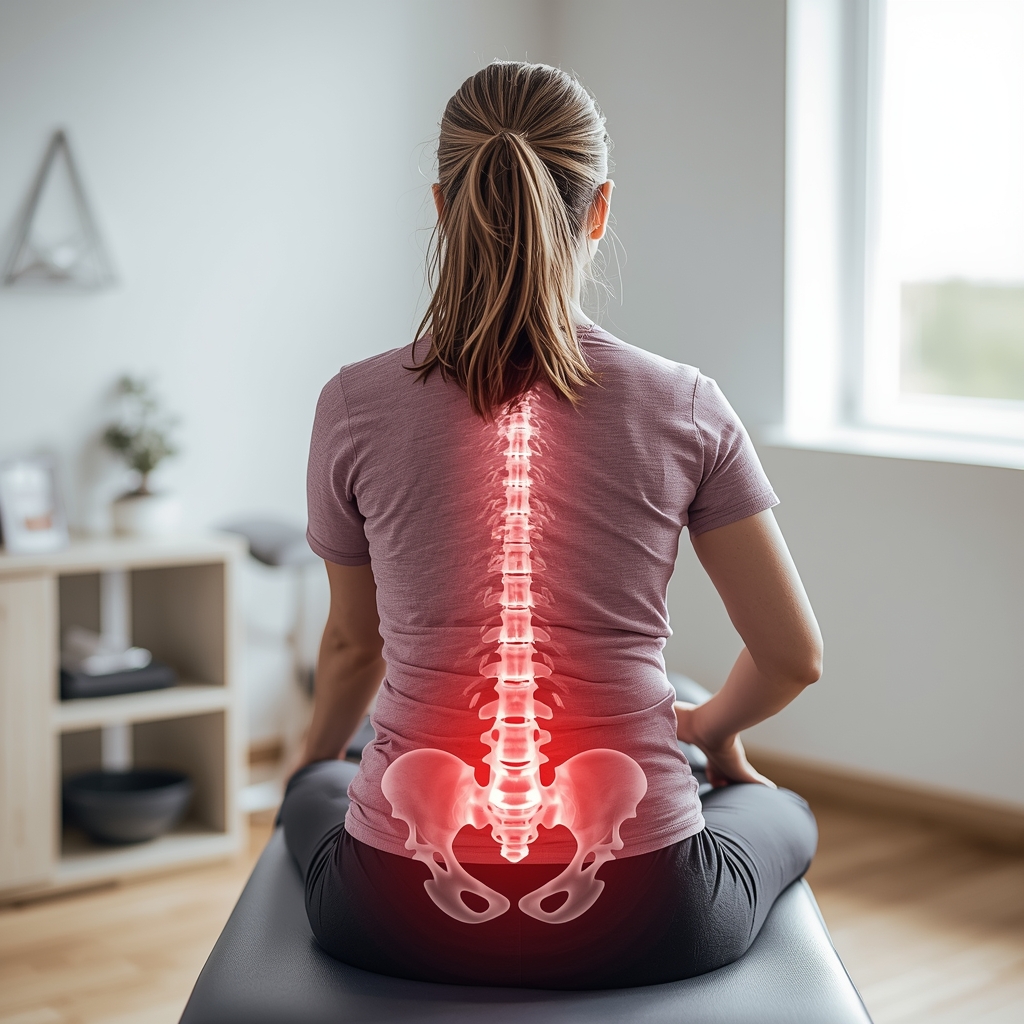
Understanding Sacroiliac Joint Dysfunction in Postpartum Patients
Sacroiliac (SI) joint dysfunction occurs when the joints connecting the sacrum to the pelvis become misaligned or inflamed, causing pain and limited mobility. Postpartum patients are particularly vulnerable due to hormonal changes, biomechanical shifts during pregnancy, and the physical stress of childbirth. Symptoms often include lower back pain, buttock discomfort, and difficulty with movements like standing or walking. While many postpartum individuals recover naturally, some experience persistent issues requiring targeted care. Chiropractic interventions focus on restoring proper joint function, reducing inflammation, and addressing muscular imbalances. A holistic approach is essential, as the SI joint is influenced by surrounding structures like the pelvis, hips, and spine. Understanding the interplay between pregnancy-related changes and SI joint health sets the foundation for effective treatment strategies.
Spinal Manipulation and Joint Adjustments
Spinal manipulation, a cornerstone of chiropractic care, involves precise adjustments to realign the SI joint and surrounding vertebrae. For postpartum patients, gentle, low-force techniques are often preferred to accommodate the body’s post-childbirth recovery phase. Adjustments aim to reduce pressure on the SI joint, improve mobility, and alleviate pain by restoring proper biomechanics. Chiropractors may use diversified, activator, or flexion-distraction methods depending on the patient’s needs. These techniques can help correct pelvic asymmetries and reduce nerve irritation contributing to dysfunction. However, it’s crucial for practitioners to assess each patient’s individual condition, as postpartum bodies require careful, tailored care. While spinal manipulation is widely used, its effectiveness depends on accurate diagnosis and a treatment plan that aligns with the patient’s overall health goals.
Soft Tissue Therapy and Myofascial Release
Soft tissue therapy addresses muscle tension and fascial restrictions that often accompany SI joint dysfunction. Postpartum patients may develop tightness in the glutes, hamstrings, or piriformis muscles, which can exacerbate SI joint pain. Techniques like myofascial release, trigger point therapy, and deep tissue massage help relax these muscles, improving joint alignment and reducing discomfort. By releasing adhesions and restoring normal tissue elasticity, soft tissue work supports the SI joint’s stability and function. Chiropractors may combine these methods with movement-based exercises to enhance outcomes. For postpartum individuals, gentle, non-invasive approaches are prioritized to avoid additional strain. While soft tissue therapy is not a standalone solution, it plays a vital role in comprehensive care by addressing muscular contributors to SI joint dysfunction and promoting overall recovery.
Active Release Technique (ART) for SI Joint Relief
Active Release Technique (ART) is a soft tissue intervention targeting muscles, tendons, and ligaments to relieve pain and restore function. For SI joint dysfunction, ART can address tight or scarred tissues around the pelvis, such as the gluteus medius or sacrotuberous ligament, which may restrict joint movement. This technique involves the practitioner applying pressure while the patient performs specific movements, breaking down adhesions and improving tissue glide. Postpartum patients may benefit from ART’s ability to reduce muscle tension and enhance flexibility without invasive procedures. However, the technique requires a skilled practitioner to avoid overstretching delicate postpartum tissues. While ART is not a primary treatment for SI joint misalignment, it complements other chiropractic methods by addressing muscular imbalances that contribute to dysfunction. Patients should discuss their postpartum status with their provider to ensure safe and effective application.
Integrating Corrective Exercises and Postural Training
Corrective exercises and postural training are essential components of SI joint rehabilitation, especially for postpartum patients. Weakness in core, gluteal, or hip stabilizer muscles can worsen SI joint instability, making targeted strengthening crucial. Chiropractors often recommend exercises like bridges, clamshells, or bird-dogs to improve muscle activation and support the pelvis. Postural retraining helps address compensatory patterns from pregnancy or childbirth, such as anterior pelvic tilt or lumbar hyperlordosis. These strategies work in tandem with manual therapies to restore balance and prevent recurrence. For postpartum individuals, gradual, low-impact exercises are emphasized to avoid strain. While home programs are common, supervision by a chiropractor ensures proper form and progression. Integrating these elements into a treatment plan empowers patients to take an active role in their recovery while enhancing the long-term effectiveness of chiropractic care.
Collaborative Care and Individualized Treatment Plans
Effective management of SI joint dysfunction in postpartum patients requires a personalized, multidisciplinary approach. Chiropractors often collaborate with physical therapists, obstetricians, or pelvic floor specialists to address the complex needs of this population. Individualized treatment plans consider factors like the type of delivery, recovery progress, and coexisting conditions. For example, a patient with a cesarean section may require modified techniques compared to someone with a vaginal birth. Regular reassessments ensure the care adapts to the patient’s evolving needs. Open communication between the patient and provider is vital to address concerns and adjust strategies as needed. While chiropractic care offers valuable tools, it is most effective when integrated with other supportive therapies. Postpartum individuals are encouraged to engage in ongoing dialogue with their healthcare team to achieve optimal outcomes and long-term wellness.














