
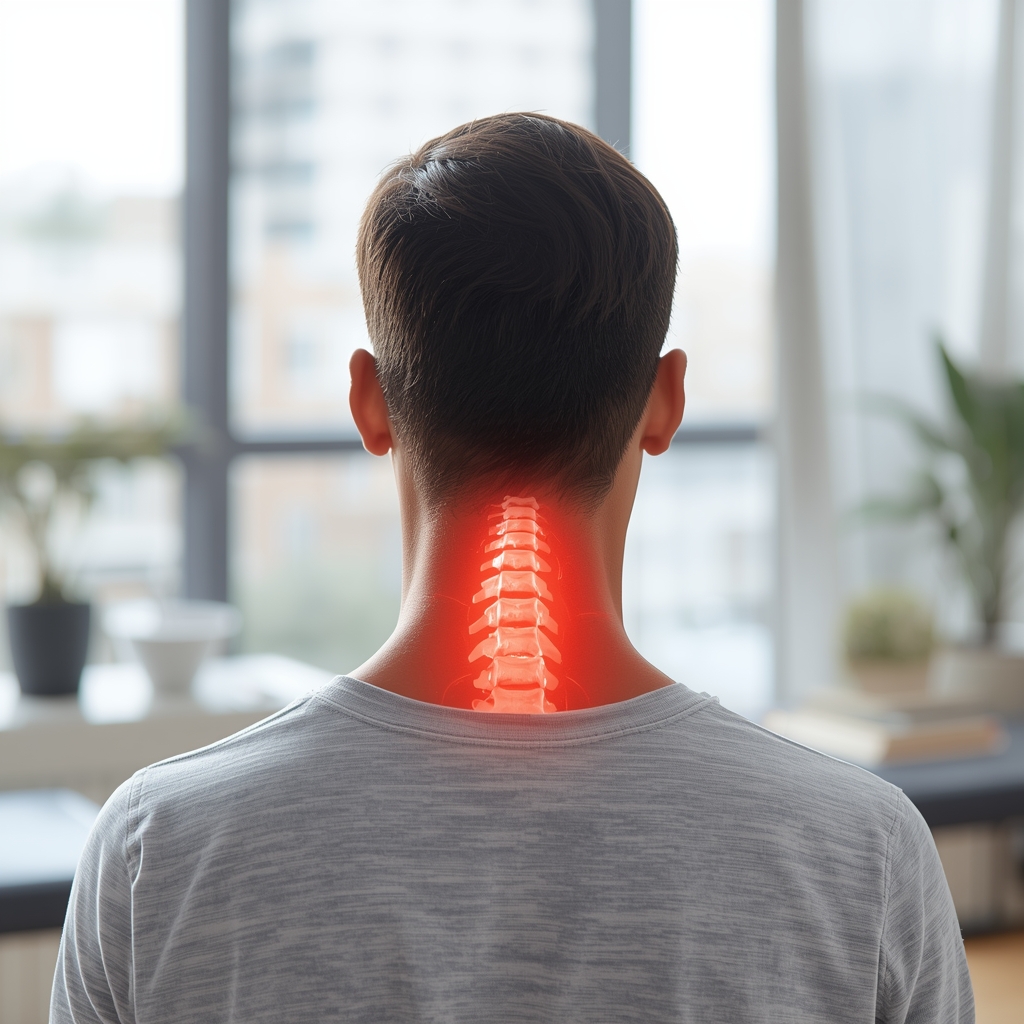
Understanding Persistent Neck Pain After Whiplash
Whiplash injuries often cause immediate neck pain, but some individuals experience lingering discomfort beyond the typical 6-week recovery window. This persistent pain may stem from unresolved soft tissue damage, joint dysfunction, or nerve irritation. While initial treatments like rest and basic adjustments might provide relief, long-term management requires targeted strategies. Chiropractic care offers a range of techniques to address chronic symptoms, focusing on restoring mobility, reducing inflammation, and promoting healing. It’s important to recognize that each person’s recovery journey is unique, and a qualified chiropractor can tailor approaches to individual needs. Understanding the options available helps patients make informed decisions about their care.
Spinal Adjustments and Joint Mobilization
Spinal adjustments remain a cornerstone of chiropractic care for whiplash-related neck pain. These techniques aim to realign the cervical spine, reducing pressure on nerves and improving joint function. For long-term recovery, chiropractors may use gentler, more frequent adjustments to address lingering misalignments. Joint mobilization, a softer form of manipulation, can also help restore range of motion in stiff or restricted areas. By correcting subluxations (partial joint dislocations), these methods may alleviate pain and prevent further complications. However, the exact approach depends on the patient’s condition, and adjustments should always be performed by a licensed professional to ensure safety and effectiveness.
Soft Tissue and Myofascial Release Techniques
Soft tissue therapies target the muscles, ligaments, and fascia affected by whiplash. Techniques like Active Release Technique (ART) and myofascial release focus on breaking up scar tissue and tension in the neck and upper back. These methods can improve blood flow, reduce inflammation, and restore flexibility. For persistent pain, repeated sessions may be necessary to address chronic muscle tightness. Chiropractors often combine these therapies with stretches or exercises to enhance outcomes. Patients may notice gradual improvements in pain levels and mobility, though results vary. It’s essential to work with a practitioner experienced in soft tissue work to avoid aggravating existing injuries.
Decompression Therapy and Nerve Relief
Spinal decompression therapy is a non-surgical option for patients with nerve-related pain following whiplash. This technique uses gentle traction to relieve pressure on spinal discs and nerves, which can ease pain and promote healing. It’s particularly useful for individuals experiencing radiating pain, numbness, or tingling in the arms. Decompression may be combined with other therapies to address both structural and neurological components of the injury. While not suitable for everyone, it offers a drug-free alternative for managing chronic symptoms. Patients should discuss their medical history with a chiropractor to determine if decompression is a viable option for their specific condition.
Integrative Approaches for Holistic Recovery
Chiropractic care often complements other therapies to support long-term recovery. Techniques like acupuncture, massage, and corrective exercises can enhance the effects of spinal adjustments and soft tissue work. For example, corrective exercises may strengthen the neck and shoulder muscles, improving stability and preventing future injuries. Nutritional guidance or stress management strategies might also play a role in overall wellness. A multidisciplinary approach allows for addressing both physical and lifestyle factors contributing to persistent pain. Patients should communicate openly with their care team to ensure all treatments align with their goals and medical needs.
Collaborating with Healthcare Providers for Optimal Outcomes
Managing chronic neck pain after whiplash often requires coordination with other healthcare professionals. Chiropractors may work alongside physical therapists, orthopedic specialists, or primary care physicians to create a comprehensive care plan. This collaboration ensures that all aspects of the injury are addressed, from structural alignment to pain management. Patients should keep their providers informed about all treatments they receive to avoid conflicts or redundancies. Open communication also helps track progress and adjust strategies as needed. Ultimately, a team-based approach increases the likelihood of successful long-term recovery and improved quality of life.














