
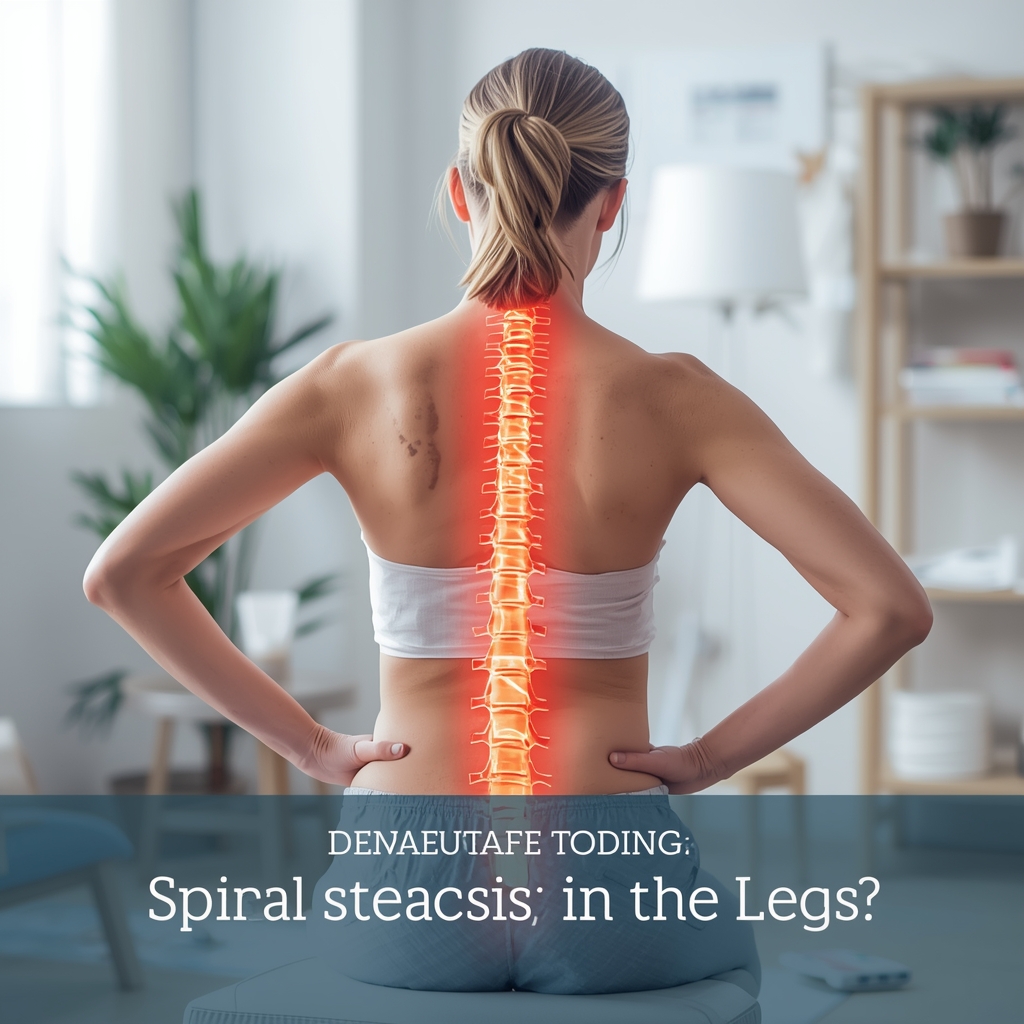
Understanding Spinal Stenosis and Leg Numbness
Spinal stenosis occurs when the spinal canal narrows, compressing nerves and often causing pain, weakness, or numbness in the legs. This condition commonly affects the lower back (lumbar stenosis) or neck (cervical stenosis), with leg numbness being a frequent symptom due to nerve irritation. The compression can result from age-related changes, such as bone spurs, herniated discs, or thickened ligaments. While conservative treatments like medication or physical therapy are often recommended, chiropractic care offers an alternative approach by addressing structural imbalances. Spinal adjustments and postural corrections aim to relieve pressure on affected nerves, potentially reducing leg numbness and improving mobility. However, it’s essential to consult a qualified chiropractor to determine if these interventions are appropriate for your specific condition.
How Spinal Adjustments May Help
Spinal adjustments, a core component of chiropractic care, involve manual manipulations to realign the spine and restore proper function. For individuals with spinal stenosis, these adjustments can help alleviate pressure on compressed nerves, potentially reducing leg numbness. By improving spinal mobility and posture, adjustments may also enhance blood flow and nerve signaling, which can support overall recovery. While research on chiropractic interventions for stenosis is limited, many patients report symptom relief through regular adjustments. It’s important to note that adjustments are typically part of a broader treatment plan and should be performed by a licensed professional. The goal is to address the root cause of nerve compression rather than just managing symptoms, offering a holistic approach to spinal health.
The Role of Postural Corrections
Poor posture can exacerbate spinal stenosis by placing additional stress on the spine and compressing nerves. Correcting postural habits, such as excessive forward head tilt or rounded shoulders, may help relieve pressure on the spinal canal. Chiropractors often assess a patient’s posture and recommend specific exercises or ergonomic adjustments to promote better alignment. For example, improving core strength and maintaining an upright position can reduce strain on the lower back, potentially easing leg numbness. Postural corrections are often combined with spinal adjustments for optimal results. However, these changes require consistency and may take time to show noticeable effects. A chiropractor can guide patients in developing a personalized plan to address posture-related contributors to their symptoms.
Complementary Approaches to Numbness Relief
In addition to spinal adjustments and postural corrections, other chiropractic techniques may support leg numbness relief. Soft tissue therapies, such as massage or trigger point therapy, can reduce muscle tension that contributes to nerve compression. Decompression therapy, which gently stretches the spine to create space between vertebrae, is another option some chiropractors use to alleviate pressure on nerves. Corrective exercises, tailored to an individual’s condition, may also strengthen the muscles supporting the spine and improve flexibility. While these methods are often used alongside adjustments, their effectiveness can vary based on the severity of the stenosis. It’s crucial to discuss all treatment options with a chiropractor to ensure they align with your overall care plan and health goals.
When to Seek Professional Guidance
If leg numbness persists or worsens, it’s important to consult a healthcare provider, including a chiropractor, to explore potential causes and solutions. Chiropractors are trained to evaluate spinal health and determine if adjustments or postural corrections could benefit your condition. However, they may also refer you to a medical doctor if further diagnostic tests or treatments are needed. A thorough assessment is essential, as leg numbness can stem from various sources, such as herniated discs, nerve damage, or other neurological issues. Chiropractic care should always be part of a comprehensive approach, and self-treatment is not recommended. By working with a qualified professional, you can develop a safe and effective strategy to manage symptoms and improve your quality of life.
Conclusion: A Holistic Approach to Spinal Health
Spinal adjustments and postural corrections may offer relief for leg numbness caused by spinal stenosis by addressing underlying structural issues. While these methods are not a substitute for medical evaluation, they can complement traditional treatments when used appropriately. The key is to work with a licensed chiropractor who can tailor interventions to your specific needs. By combining adjustments with postural improvements and other supportive therapies, patients may experience reduced nerve compression and enhanced mobility. As with any health condition, individual results can vary, and ongoing communication with healthcare providers is vital. Prioritizing spinal health through a holistic approach can help manage symptoms and promote long-term well-being.













