
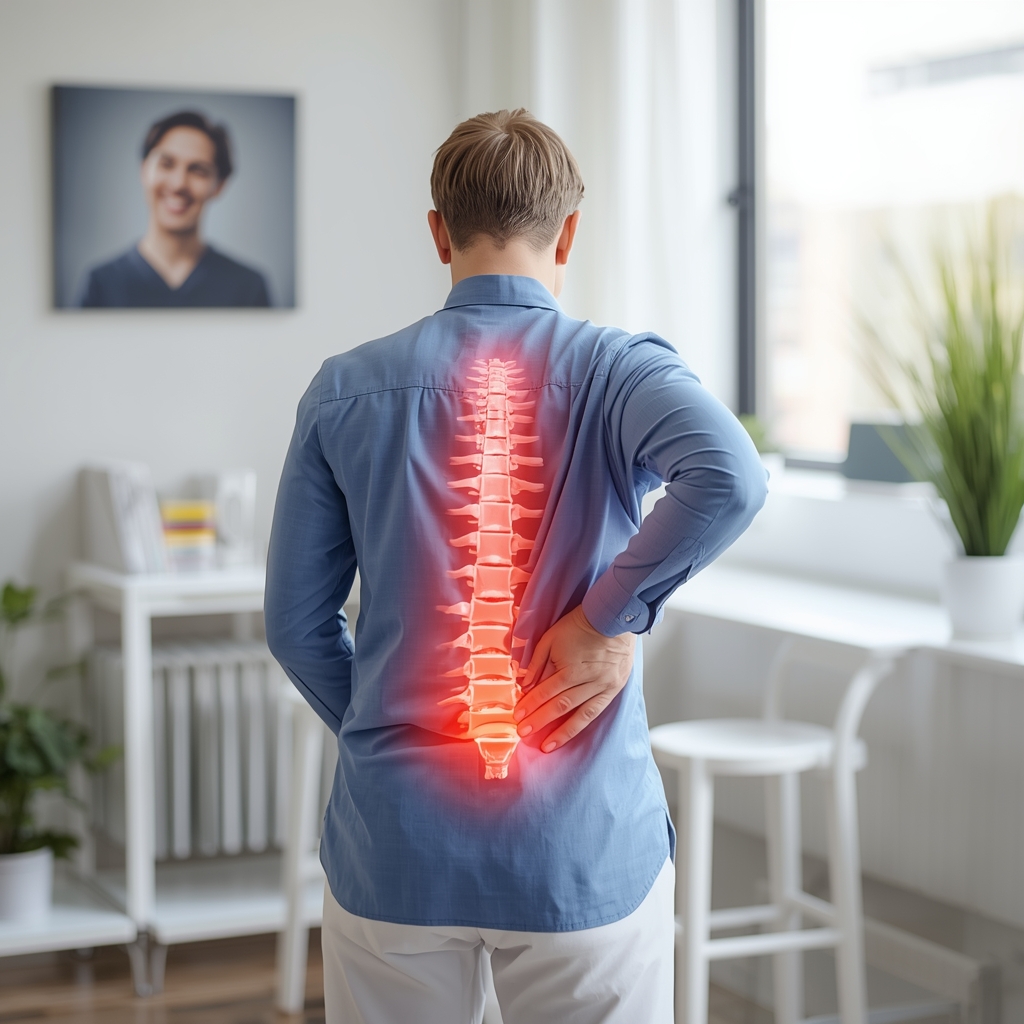
Spinal Adjustments and Nerve Pressure Relief
Chiropractic adjustments may help alleviate leg pain caused by spinal stenosis by realigning the spine and reducing pressure on nerves. A chiropractor might use manual techniques to correct misalignments, which could improve mobility and decrease discomfort. These adjustments aim to restore proper spinal function, potentially easing the compression that contributes to leg pain. While individual results vary, many patients report improved comfort after a series of sessions. It’s important to work with a licensed chiropractor who can tailor the approach to your specific condition. Adjustments are typically part of a broader treatment plan that may include other therapies to address symptoms effectively.
Decompression Therapy for Spinal Canal Relief
Decompression therapy involves using a specialized table or device to gently stretch the spine, creating space between vertebrae. This technique may help reduce pressure on nerves and the spinal cord, which is a common cause of leg pain in spinal stenosis. By alleviating this pressure, decompression therapy can potentially ease pain and improve nerve function. Many chiropractors combine this therapy with other treatments, such as adjustments or soft tissue work, to maximize benefits. While not a substitute for surgery, it offers a non-invasive option for managing symptoms. Patients often require multiple sessions to experience lasting relief, and a chiropractor can guide the appropriate frequency and duration of care.
Soft Tissue Techniques for Muscle and Ligament Support
Soft tissue therapies, such as myofascial release or Active Release Technique (ART), can complement spinal adjustments by addressing tight muscles and ligaments around the spine. These techniques help reduce tension that may exacerbate spinal stenosis symptoms, including leg pain. By improving flexibility and circulation, soft tissue work can enhance overall spinal function and reduce discomfort. Chiropractors may use these methods to target areas of restriction, promoting better alignment and movement. While not a primary treatment for stenosis, they can play a supportive role in a comprehensive care plan. Patients often find these therapies helpful in conjunction with other chiropractic interventions.
Postural and Ergonomic Corrections
Improving posture and ergonomic habits can significantly impact spinal stenosis symptoms. A chiropractor may assess your daily activities and recommend adjustments to reduce strain on the spine. For example, proper sitting and standing techniques can minimize pressure on the spinal canal, potentially easing leg pain. Ergonomic modifications, such as adjusting chair height or using supportive cushions, may also help. Chiropractors often educate patients on maintaining optimal posture during work, exercise, and rest. These changes, combined with other treatments, can contribute to long-term symptom management. Consistency in applying these corrections is key to achieving lasting benefits.
Integrative Approaches for Comprehensive Care
Chiropractic care for spinal stenosis often involves integrating other therapies to address pain and mobility issues. For instance, physical therapy exercises may strengthen core muscles, providing better spinal support. Heat or cold therapy can also help manage inflammation and discomfort. A chiropractor might recommend these adjunctive treatments to enhance the effects of adjustments and decompression therapy. Additionally, lifestyle changes such as regular movement and weight management can reduce pressure on the spine. While these approaches are not a substitute for professional care, they can complement chiropractic treatments. A personalized plan, developed with a qualified provider, ensures a holistic strategy for symptom relief.
Monitoring Progress and Adjusting Treatment
Regular follow-ups with a chiropractor are essential to monitor progress and adjust the treatment plan as needed. Spinal stenosis symptoms can fluctuate, requiring ongoing evaluation to ensure therapies remain effective. A chiropractor may modify techniques, such as adjusting the frequency of decompression sessions or incorporating new soft tissue methods. Patients should communicate any changes in symptoms to their provider to facilitate timely interventions. While chiropractic care can offer significant relief, it’s important to recognize when additional options, such as medical consultation, may be necessary. Staying proactive in managing the condition helps maintain quality of life and reduces the risk of complications.













