
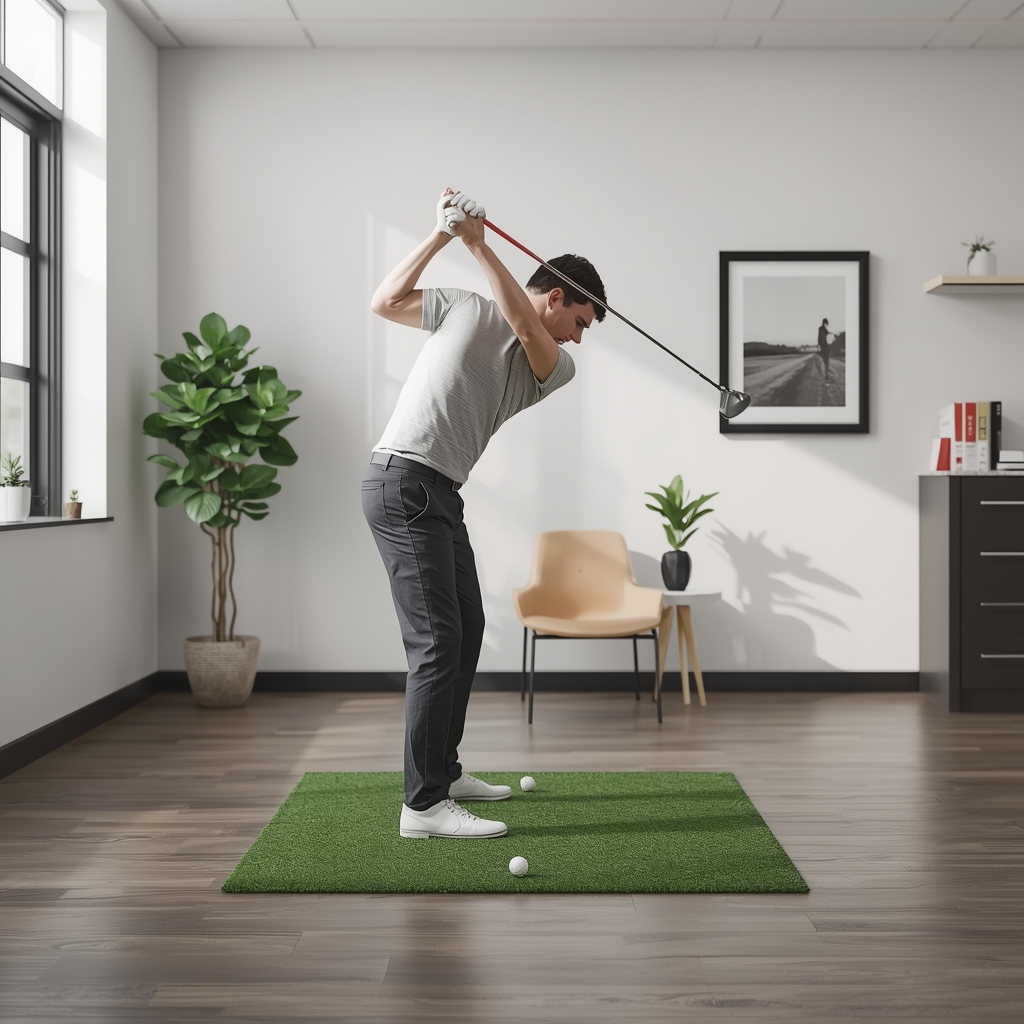
The Role of Spinal Adjustments in Golf Swing Mechanics
Spinal adjustments play a critical role in optimizing golf swing mechanics by ensuring proper alignment and mobility of the spine. A well-aligned spine allows for efficient transfer of power from the lower body to the upper body during the swing, reducing unnecessary strain on joints and muscles. Misalignments, or subluxations, can restrict movement and lead to compensatory patterns that hinder performance. Chiropractors use targeted adjustments to restore joint function, improve range of motion, and enhance neuromuscular control. For amateur golfers, these adjustments can address common issues like rotational stiffness or imbalances that develop from repetitive swinging motions. By promoting a stable and flexible spine, adjustments help golfers maintain consistent form, reduce injury risk, and achieve greater driving distance and accuracy. Regular chiropractic care can be a valuable component of a golfer’s training regimen, supporting long-term performance improvements.
Key Flexibility Exercises for Golfers
Flexibility is essential for a fluid and powerful golf swing, as it allows for full rotation of the torso and optimal engagement of core muscles. Amateur golfers often benefit from exercises that target the thoracic spine, hips, and shoulders—areas critical for swing mechanics. Dynamic stretches like cat-cow variations, rotational lunges, and torso twists can improve mobility and prepare the body for movement. Static stretches, such as seated forward folds or side bends, help maintain flexibility in tight areas. Foam rolling and myofascial release techniques can also alleviate muscle tension that may limit range of motion. Incorporating these exercises into a pre-swing routine can enhance flexibility, reduce stiffness, and support more efficient movement patterns. Consistency is key, as regular stretching helps maintain and build the flexibility needed for a smooth, injury-free swing.
How Adjustments and Flexibility Work Together
Spinal adjustments and flexibility exercises complement each other by addressing both structural and muscular components of golf swing mechanics. Adjustments correct misalignments that may restrict movement, while flexibility work ensures muscles and connective tissues can move freely. For example, a misaligned thoracic spine can limit rotational movement, but combining adjustments with targeted stretches can restore full range of motion. This synergy helps golfers achieve better posture, balance, and power during the swing. Additionally, improved flexibility reduces the likelihood of compensatory movements that can arise from restricted joints or tight muscles. By integrating both approaches, amateur players can develop a more efficient swing that minimizes strain on the body. Chiropractors often recommend a combined strategy to maximize results, ensuring that structural and muscular factors are addressed holistically.
Effective Spinal Adjustment Techniques for Golfers
Chiropractors use various adjustment techniques tailored to the unique demands of golf. The diversified technique, which involves manual thrusts to specific joints, is commonly used to restore mobility in the spine and pelvis. The activator method, a gentler approach using a handheld instrument, may be preferred for players with sensitive areas or those seeking a non-force adjustment. Spinal manipulation can also focus on the sacroiliac joints and thoracic spine to enhance rotational efficiency. These techniques are often combined with soft tissue work to address muscle tightness that may interfere with joint function. For amateur golfers, adjustments are typically part of a broader care plan that includes flexibility training and lifestyle advice. The goal is to create a stable, mobile spine that supports consistent swing mechanics and reduces the risk of overuse injuries.
Integrating Chiropractic Care into Golf Training
Incorporating chiropractic care into a golf training routine requires a proactive approach to maintain optimal body function. Regular adjustments can help prevent minor issues from becoming chronic, especially for players who practice frequently. Golfers should consider scheduling sessions before the season starts, during peak practice periods, and after tournaments to address any accumulated strain. Flexibility exercises should be performed consistently, ideally as part of a warm-up or cool-down routine. Chiropractors may also recommend ergonomic adjustments to golf equipment, such as club length or grip size, to reduce unnecessary stress on the body. By viewing chiropractic care as an ongoing investment, amateur players can sustain improvements in swing mechanics and overall performance. Collaboration with a qualified chiropractor ensures that care is personalized to individual needs and goals.
Consulting a Chiropractor for Personalized Guidance
While general recommendations can provide a foundation, each golfer’s needs are unique. A chiropractor can assess individual biomechanics, identify specific areas of restriction or imbalance, and create a tailored plan to enhance swing mechanics. This may involve a combination of adjustments, flexibility exercises, and lifestyle modifications. For amateur players, professional guidance is essential to avoid improper techniques that could worsen existing issues. Chiropractors can also monitor progress over time, adjusting the care plan as needed to address evolving demands. By working with a qualified provider, golfers can ensure they receive safe, effective support that aligns with their goals. Regular communication with a chiropractor helps maintain consistency and maximizes the benefits of chiropractic care for long-term performance improvements.













