
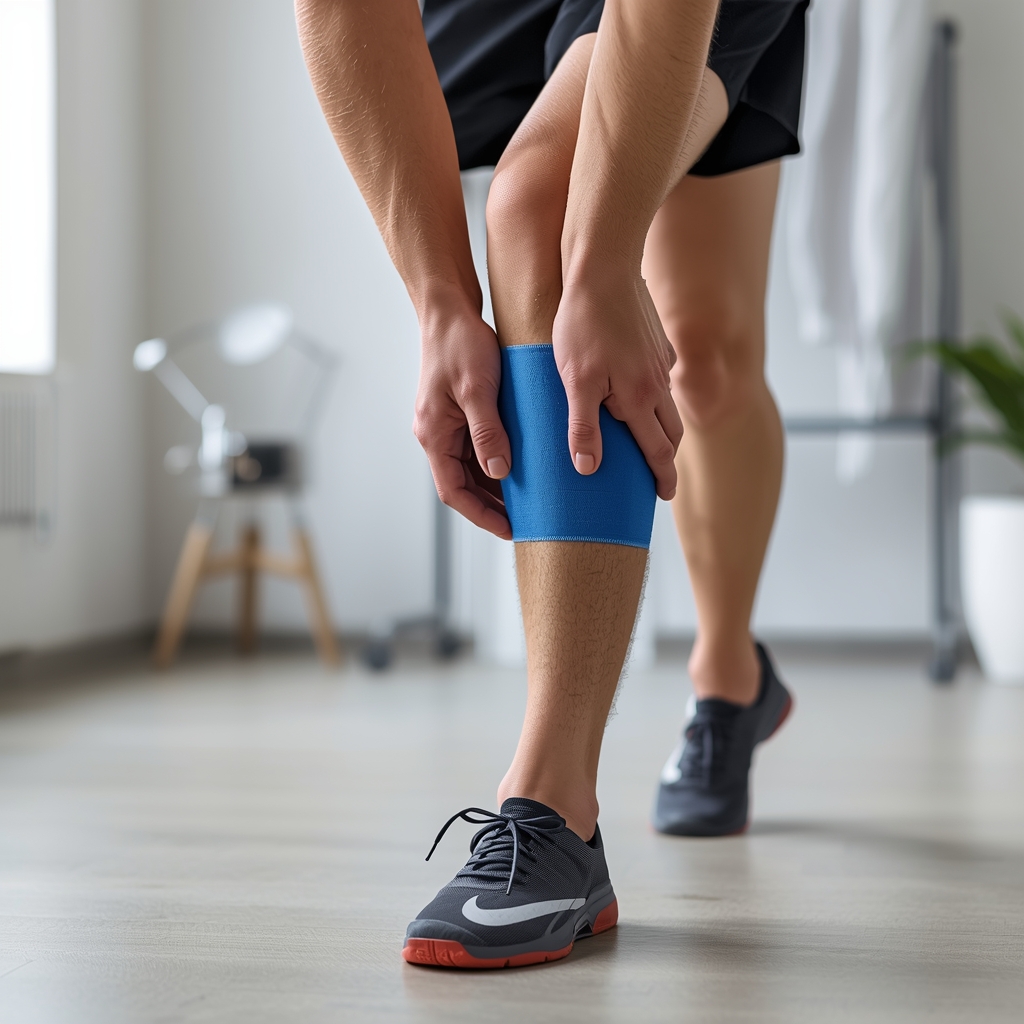
Understanding Patellar Tendinitis and Kinesio Taping
Patellar tendinitis, often called jumper’s knee, is a common overuse injury affecting the tendon that connects the kneecap to the shinbone. Athletes involved in sports requiring frequent jumping, running, or sudden directional changes are particularly susceptible. Kinesio taping is a therapeutic technique used to support muscles and joints, reduce pain, and improve function. It involves applying elastic therapeutic tape to the skin, which lifts the layers of tissue to facilitate healing. While not a standalone treatment, kinesio taping is often used alongside other interventions like rest, strengthening exercises, and physical therapy. Its effectiveness for patellar tendinitis lies in its ability to alleviate pressure on the tendon and promote proper alignment during movement. However, results can vary, and it’s important to consult a healthcare provider to determine if this approach suits your specific condition.
Common Kinesio Taping Techniques for Patellar Tendinitis
Several kinesio taping techniques are commonly used to address patellar tendinitis. The “I” strip technique involves placing a single strip of tape vertically along the patellar tendon to provide support and reduce strain. The “X” strip technique uses two strips crossed over the tendon to enhance stability and distribute pressure more evenly. A “Y” strip configuration may also be applied, with the tape branching out from the kneecap to the shinbone, aiming to improve biomechanics during movement. These techniques are often tailored to the athlete’s activity level and the severity of their symptoms. Proper placement is critical, as incorrect application can lead to discomfort or reduced effectiveness. While these methods are widely practiced, their success depends on factors like tape quality, skin preparation, and the individual’s response to treatment. Athletes should work with a trained professional to ensure optimal results.
Proper Application and Tension Considerations
Correct application of kinesio tape is essential for managing patellar tendinitis effectively. The tape should be applied to clean, dry skin without oils or lotions to ensure proper adhesion. Stretching the tape during application is a key factor—typically, 25-50% stretch is recommended depending on the technique. For patellar tendinitis, minimal stretch is often used to avoid excessive pressure on the tendon. The tape should be smoothed from the center outward to prevent wrinkles or bubbles that could cause irritation. It’s also important to avoid applying tape over areas with open wounds, rashes, or sensitive skin. The duration of wear varies, but most athletes leave the tape in place for 3-5 days, replacing it as needed. If redness, itching, or discomfort occurs, the tape should be removed immediately. Proper technique enhances the tape’s ability to support the tendon while minimizing risks of adverse reactions.
Benefits and Limitations of Kinesio Taping
Kinesio taping offers several potential benefits for athletes with patellar tendinitis. It may help reduce pain and inflammation by improving lymphatic drainage and reducing pressure on the tendon. The tape can also provide proprioceptive feedback, which may enhance movement patterns and prevent further strain. Some athletes report improved confidence and reduced fear of re-injury when using kinesio tape during physical activity. However, it’s important to recognize that kinesio taping is not a cure for tendinitis. Its effects are often temporary and best used as part of a comprehensive treatment plan. Limitations include variability in individual responses, the need for proper application, and the possibility of skin irritation. Additionally, the tape may lose effectiveness over time or with excessive sweating. While many find it beneficial, results can differ, and it should not replace medical evaluation or prescribed therapies.
When to Use Kinesio Taping for Patellar Tendinitis
Kinesio taping is most effective as a supportive measure during the active phase of patellar tendinitis, when athletes are engaging in physical activity but still experiencing discomfort. It can be used during training, competition, or rehabilitation to provide additional stability and reduce pain. However, it’s not recommended for acute inflammation or severe pain, as it may exacerbate symptoms. Athletes should avoid using kinesio tape if they have known allergies to adhesive materials or skin conditions that could worsen with tape application. The technique is also less effective for chronic cases where structural changes in the tendon have occurred. Instead, it’s best utilized alongside other interventions like eccentric strengthening exercises, ice therapy, and rest. Consulting a healthcare provider ensures that kinesio taping is used appropriately and safely within the context of an individualized treatment strategy.
Consulting a Healthcare Professional for Guidance
While kinesio taping can be a helpful tool, it’s crucial to seek guidance from a qualified healthcare provider before use. A chiropractor, physical therapist, or sports medicine specialist can assess the severity of patellar tendinitis and determine if kinesio taping is suitable for your situation. They can also demonstrate proper application techniques and recommend the most appropriate taping method based on your activity level and symptoms. This is especially important for athletes with complex conditions or those recovering from previous injuries. Healthcare professionals can also monitor progress and adjust the treatment plan as needed. Relying on self-application without expert input may lead to improper technique or delayed recovery. By working with a trained provider, athletes can maximize the benefits of kinesio taping while minimizing risks, ensuring a safer and more effective approach to managing patellar tendinitis.












