
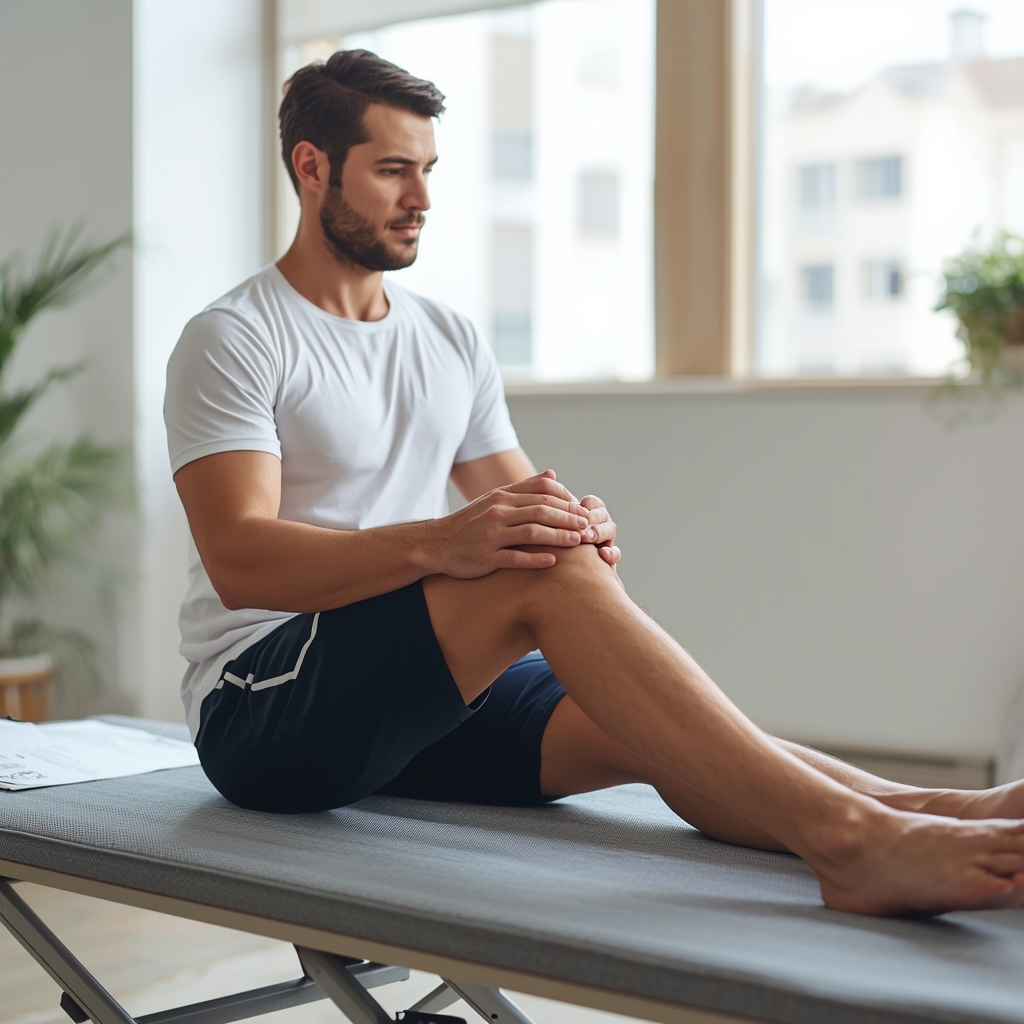
Understanding Patellar Tendinitis in Athletes
Patellar tendinitis, often called jumper's knee, is a common overuse injury affecting the patellar tendon, which connects the kneecap to the shinbone. Athletes involved in sports requiring frequent jumping, pivoting, or sudden directional changes—such as basketball, volleyball, or soccer—are particularly susceptible. The condition arises from repetitive stress on the tendon, leading to microtears, inflammation, and pain. While rest and traditional therapies are standard, non-surgical chiropractic approaches offer complementary strategies to address biomechanical imbalances, reduce inflammation, and support healing. Chiropractors focus on the musculoskeletal system, aiming to restore function without invasive procedures. For athletes, this is critical, as recovery must align with their training demands. By integrating targeted interventions, chiropractic care can help manage symptoms, prevent recurrence, and enhance overall joint stability. Understanding the role of chiropractic protocols in this context sets the stage for exploring specific techniques that may benefit patients.
Soft Tissue Techniques for Tendon Rehabilitation
Soft tissue therapies are a cornerstone of non-surgical chiropractic care for patellar tendinitis. Techniques like Active Release Technique (ART) and Graston Technique involve manual manipulation to break down scar tissue, improve blood flow, and restore flexibility in the affected tendon. These methods target adhesions and tightness that can exacerbate pain and limit mobility. Chiropractors may also use myofascial release or trigger point therapy to alleviate tension in surrounding muscles, such as the quadriceps or hamstrings, which can contribute to patellar strain. By addressing soft tissue restrictions, these protocols reduce mechanical stress on the tendon and promote a more balanced biomechanical environment. While not a standalone solution, soft tissue work often complements other interventions, such as joint adjustments or rehabilitative exercises. Athletes may experience reduced pain and improved function, allowing them to return to training more effectively. However, results vary, and consistency is key to long-term success.
Joint Adjustments and Biomechanical Alignment
Chiropractic adjustments focus on restoring proper joint function and alignment, which is vital for managing patellar tendinitis. Misalignments in the knee, hip, or lower back can create compensatory patterns that strain the patellar tendon. For example, an uneven pelvis or restricted ankle mobility might alter gait mechanics, increasing stress on the knee. Chiropractors use manual or instrument-assisted techniques to correct these imbalances, improving weight distribution and reducing undue pressure on the tendon. By enhancing joint mobility and neuromuscular control, adjustments can alleviate symptoms and support the body’s natural healing processes. This approach is especially valuable for athletes, as it addresses the root causes of dysfunction rather than just masking pain. However, adjustments are typically part of a broader care plan, often combined with soft tissue work and rehabilitative strategies. Patients should expect a personalized approach, as each case requires careful assessment to determine the most effective adjustments.
Rehabilitation and Strengthening Exercises
Rehabilitation exercises are essential for long-term recovery from patellar tendinitis, and chiropractors often incorporate corrective movements to restore strength and stability. Eccentric training, which focuses on controlled lengthening of the quadriceps, has shown promise in strengthening the patellar tendon and reducing pain. Chiropractors may guide patients through specific protocols, such as slow, weighted squats or step-down exercises, to build resilience in the tendon. Proprioceptive training, involving balance and coordination drills, also plays a role in preventing future injuries by improving joint awareness. These exercises are tailored to the athlete’s sport and fitness level, ensuring they align with recovery goals. When combined with chiropractic adjustments and soft tissue work, rehabilitation fosters a holistic approach to healing. However, adherence to a structured program is critical, as inconsistent effort can delay progress. Athletes should work closely with their chiropractor to monitor progress and adjust the regimen as needed.
Complementary Therapies and Adjunctive Care
Chiropractors often integrate complementary therapies to enhance the effectiveness of traditional treatments for patellar tendinitis. Cold laser therapy, for instance, uses low-level light to reduce inflammation and stimulate cellular repair, potentially accelerating recovery. Ultrasound therapy may also be employed to increase blood flow and break down scar tissue in the tendon. Electrical stimulation, such as TENS units, can help manage pain by disrupting nerve signals. These modalities are typically used alongside manual techniques and exercise programs to create a multi-faceted approach. Additionally, nutritional guidance or recommendations for anti-inflammatory supplements might be offered, though these should always be discussed with a healthcare provider. While these therapies can provide symptom relief, they are not a substitute for addressing underlying biomechanical issues. Athletes should view them as part of a comprehensive care plan, with outcomes dependent on consistent application and professional oversight.
When to Seek Professional Care and Holistic Considerations
For athletes experiencing persistent knee pain, consulting a chiropractor is a proactive step toward non-surgical recovery. A qualified provider can conduct a thorough evaluation, identifying factors such as muscle imbalances, joint restrictions, or gait abnormalities that may contribute to patellar tendinitis. Early intervention often leads to better outcomes, as delaying care can worsen the condition and prolong recovery. Chiropractors may collaborate with other healthcare professionals, such as physical therapists or sports medicine specialists, to create a well-rounded treatment plan. It is crucial to emphasize that while chiropractic care offers valuable tools, it should not replace medical advice for severe or complex cases. Athletes should communicate openly with their providers about their symptoms, training schedules, and goals to ensure the care plan aligns with their needs. By embracing a holistic, patient-centered approach, chiropractic protocols can play a significant role in helping athletes return to their activities safely and effectively.












