
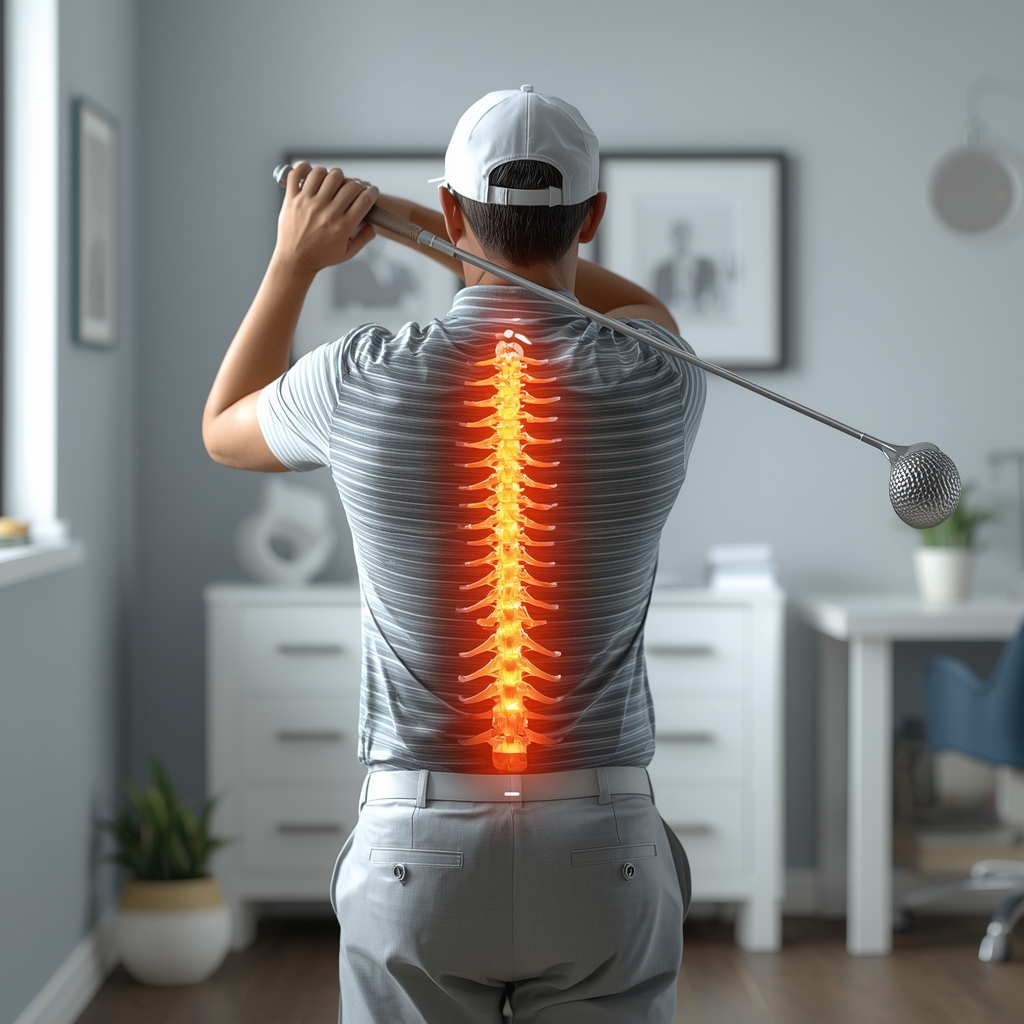
The Role of Spinal Alignment in Golf Swing Mechanics
Proper spinal alignment is foundational to efficient golf swing mechanics. The spine acts as the central axis for rotational movements, and any misalignment can disrupt balance, power, and accuracy. For amateur golfers, subtle shifts in spinal curvature or joint mobility—often caused by repetitive motion or poor posture—can lead to compensatory patterns that reduce swing effectiveness. Chiropractic adjustments aim to restore optimal spinal function, ensuring the body moves as a coordinated unit. By addressing restrictions in the thoracic or lumbar spine, these adjustments may enhance rotational range of motion, allowing for a more fluid and powerful swing. While specific research on golf-specific adjustments is limited, general chiropractic principles emphasize that a well-aligned spine supports neuromuscular efficiency, which is critical for athletic performance. Golfers experiencing chronic discomfort or declining swing consistency may benefit from a consultation to explore how spinal care could address underlying biomechanical challenges.
Key Spinal Adjustments for Enhancing Swing Efficiency
Targeted spinal adjustments can address common inefficiencies in a golfer’s movement pattern. The thoracic spine, responsible for rotational force, often becomes stiff due to sedentary lifestyles or improper swing mechanics. Adjustments here may improve mobility, allowing for greater torque during the backswing and downswing. Similarly, the lumbar spine’s stability is vital for transferring energy from the lower body to the upper torso. Misalignments in this region can lead to compensatory movements, such as excessive hip rotation, which may reduce power and increase injury risk. Chiropractors may also focus on the cervical spine to ensure proper head positioning, which affects balance and visual focus during the swing. These adjustments are typically part of a broader care plan that includes soft tissue work and corrective exercises. While results vary, many golfers report improved comfort and coordination after addressing spinal restrictions. A qualified chiropractor can assess individual needs and design a protocol to support both performance and long-term joint health.
Preventing Common Golf-Related Injuries Through Chiropractic Care
Golfers are prone to injuries from repetitive stress, improper technique, or overuse. Lower back pain, shoulder strain, and wrist injuries are frequent issues, often linked to biomechanical imbalances. Chiropractic care focuses on identifying and correcting these imbalances before they escalate into chronic conditions. For example, a misaligned pelvis or restricted thoracic mobility can place undue stress on the lower back during the swing, increasing the risk of disc-related injuries. Regular adjustments may help maintain joint flexibility and reduce inflammation, promoting faster recovery from minor strains. Additionally, chiropractors often recommend ergonomic adjustments to golf equipment or swing techniques to minimize repetitive trauma. By addressing the root causes of discomfort, chiropractic care can extend a golfer’s career and reduce downtime. However, it’s essential to work with a licensed professional who understands the unique demands of golf to ensure safe and effective interventions.
How Chiropractors Tail Adjustments to Golf-Specific Movements
Chiropractors specializing in sports performance understand the unique biomechanics of golf and tailor adjustments accordingly. During a consultation, they evaluate a golfer’s swing mechanics, posture, and movement patterns to identify areas of restriction or dysfunction. For instance, a golfer with limited thoracic rotation may receive targeted adjustments to improve their ability to generate power through the core. Similarly, those with asymmetrical weight distribution during the swing might benefit from pelvic realignment to enhance stability. These adjustments are often combined with soft tissue therapies, such as myofascial release, to address muscle tightness that could hinder movement. Chiropractors may also incorporate functional movement assessments to ensure adjustments support the dynamic nature of golf. By focusing on the interplay between spinal alignment and sport-specific demands, these professionals help golfers optimize their physical capabilities while reducing injury risk. Regular follow-ups allow for ongoing adjustments as a golfer’s needs evolve.
Integrating Chiropractic Care with Golf Training Programs
Chiropractic care can complement traditional golf training by addressing the physical foundations of performance. Many golf instructors collaborate with chiropractors to create holistic programs that combine technical instruction with musculoskeletal optimization. For example, a golfer working on swing mechanics may also receive adjustments to improve hip mobility, ensuring their body can execute the necessary movements efficiently. This integration can lead to faster skill acquisition and reduced risk of overuse injuries. Chiropractors often recommend complementary therapies like corrective exercises or balance training to reinforce spinal stability and neuromuscular control. Additionally, they may advise on recovery strategies, such as stretching routines or sleep hygiene, to support overall physical resilience. By aligning chiropractic care with training goals, golfers can achieve more consistent results and maintain long-term health. It’s important to communicate openly with both the chiropractor and coach to ensure all interventions work in harmony.
Conclusion: Embracing Chiropractic for Long-Term Golf Performance
For amateur golfers seeking to improve their game and avoid injury, chiropractic care offers a valuable, non-invasive option. By focusing on spinal alignment, mobility, and neuromuscular efficiency, adjustments can enhance swing mechanics and support overall physical well-being. While individual results may vary, many golfers report increased comfort, improved coordination, and greater confidence in their performance. The key is to work with a qualified chiropractor who understands the specific demands of golf and can develop a personalized care plan. Regular check-ups, combined with proper training and recovery practices, can help golfers maintain peak performance for years. As with any health-related decision, it’s essential to consult with a licensed professional to determine the best approach for your unique needs and goals.














