
The Role of Golf-Specific Stretching in Enhancing Swing Mechanics
Golf requires a unique combination of flexibility, balance, and rotational power. Amateur golfers often overlook the importance of targeted stretching routines that address the specific movements involved in a golf swing. Tightness in key areas like the hips, shoulders, and core can limit range of motion, leading to inefficient swings and increased injury risk. Incorporating dynamic stretches before play and static stretches post-round can improve joint mobility and muscle elasticity. For example, hip flexor stretches, shoulder rotations, and torso twists mimic the swing’s motion, preparing the body for repetitive rotational forces. These routines also help alleviate tension in the lower back, a common issue among golfers. By prioritizing golf-specific stretches, players can enhance their swing efficiency while reducing strain on vulnerable joints and muscles.
How Chiropractic Adjustments Support Optimal Spinal Alignment
The spine plays a critical role in golf swing mechanics, as it serves as the foundation for rotational movement and balance. Misalignments or restricted motion in the thoracic or lumbar spine can disrupt the kinetic chain, leading to compensatory movements that decrease swing accuracy and increase injury risk. Chiropractic adjustments focus on restoring proper spinal alignment, which enhances nerve function and muscle coordination. For instance, adjustments to the thoracic spine can improve rotational mobility, while sacral corrections may stabilize the pelvis during the swing. Regular chiropractic care also addresses subluxations (partial joint dislocations) that may develop from repetitive motion or poor posture. By ensuring the spine functions optimally, golfers can achieve smoother, more powerful swings while minimizing the risk of chronic pain or acute injuries.
Combining Stretching and Adjustments for Injury Prevention
A holistic approach that integrates stretching with chiropractic care offers significant benefits for amateur golfers. While stretching routines address muscular flexibility and joint mobility, adjustments correct structural imbalances that may hinder performance. For example, a golfer with tight hip rotators might benefit from both targeted stretches and adjustments to the sacroiliac joint to improve rotation. This synergy helps prevent overuse injuries, such as lower back strain or shoulder impingement, by ensuring the body moves efficiently. Additionally, regular chiropractic checkups can identify early signs of misalignment or muscle fatigue, allowing for proactive interventions. Golfers who combine these practices often report greater comfort during play and faster recovery between rounds. By addressing both musculoskeletal and neurological factors, this approach supports long-term athletic development and reduces the likelihood of setbacks.
Key Stretching Routines for Golfers
Effective golf-specific stretching should focus on the muscles and joints most engaged during a swing. The hip flexors, hamstrings, and rotator cuff muscles are particularly important, as they influence swing mechanics and stability. A simple yet effective routine includes the kneeling hip flexor stretch, seated spinal twist, and shoulder dislocations with a resistance band. These exercises improve flexibility in the hips and shoulders, which are critical for generating power and maintaining balance. The cat-cow stretch and child’s pose can also relieve lower back tension, a common issue for golfers. Performing these stretches consistently—especially before and after play—helps maintain optimal range of motion and reduces the risk of strain. It’s essential to avoid overstretching and focus on controlled, gradual movements to prevent injury. When combined with chiropractic care, these routines create a foundation for sustainable, injury-free golf performance.
Chiropractic Adjustments Tailored to Golf Swing Dynamics
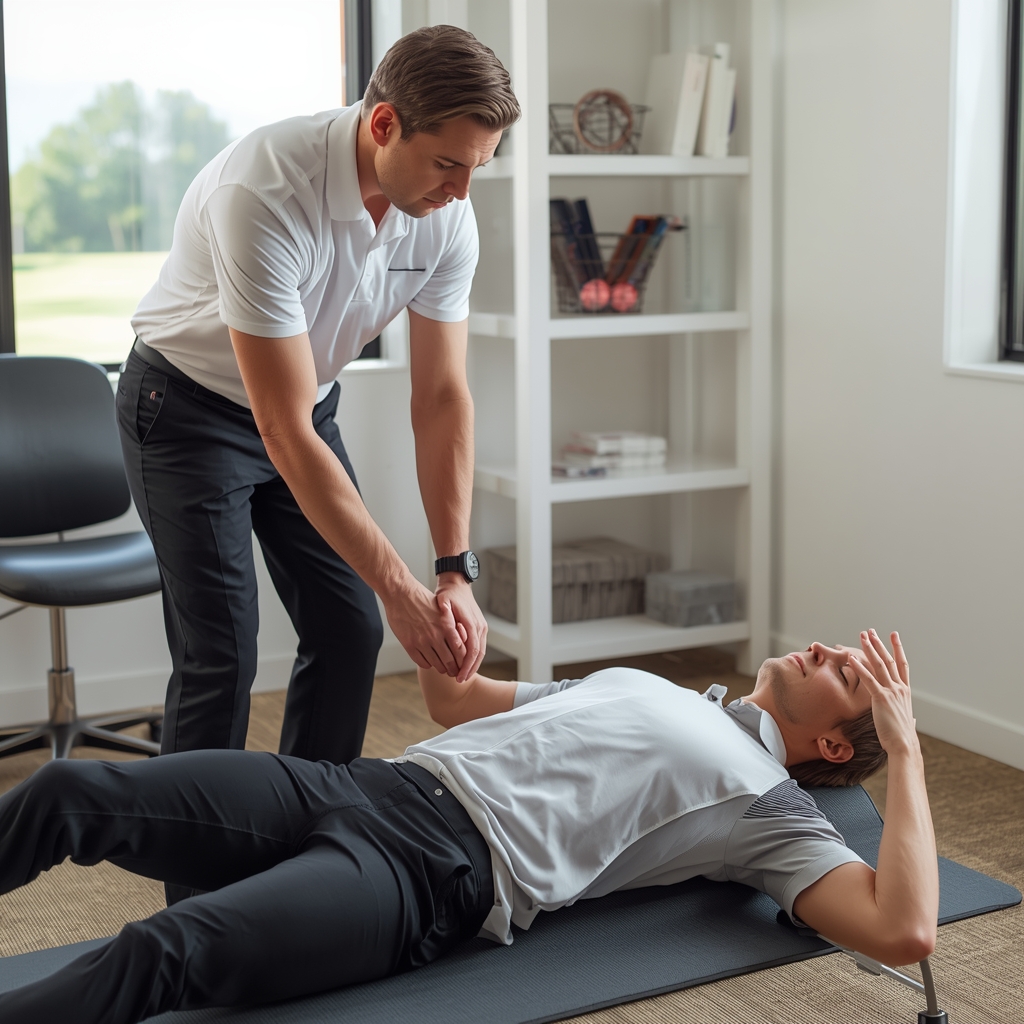
Chiropractors who specialize in sports performance often use techniques designed to enhance the biomechanics of a golf swing. These adjustments target areas of the spine and extremities that are most affected by the repetitive, rotational nature of the game. For example, adjustments to the thoracic spine can improve rotational flexibility, while sacral corrections may enhance pelvic stability during the swing. Some practitioners also use instrument-assisted soft tissue therapy to address muscle tightness in the shoulders or back. By analyzing a golfer’s movement patterns, chiropractors can identify and correct misalignments that may limit swing efficiency. Regular sessions can also help manage minor aches before they develop into chronic issues. Golfers who receive these specialized adjustments often experience improved posture, reduced pain, and greater confidence in their swing mechanics.
Consulting a Chiropractor for Personalized Golf Performance Plans
Every golfer’s body is unique, and what works for one player may not suit another. A qualified chiropractor can create a customized plan that combines stretching, adjustments, and lifestyle recommendations to optimize performance. During an evaluation, the chiropractor may assess posture, range of motion, and muscle imbalances to identify areas needing attention. They can also advise on proper warm-up routines and ergonomic adjustments for equipment, such as clubs or golf shoes. For amateur golfers, this personalized approach ensures that interventions are safe and effective, avoiding generic advice that may not address individual needs. By working with a chiropractor who understands golf-specific demands, players can make informed decisions about their care. This collaboration empowers golfers to maintain peak physical condition while enjoying the game with greater comfort and confidence.














