
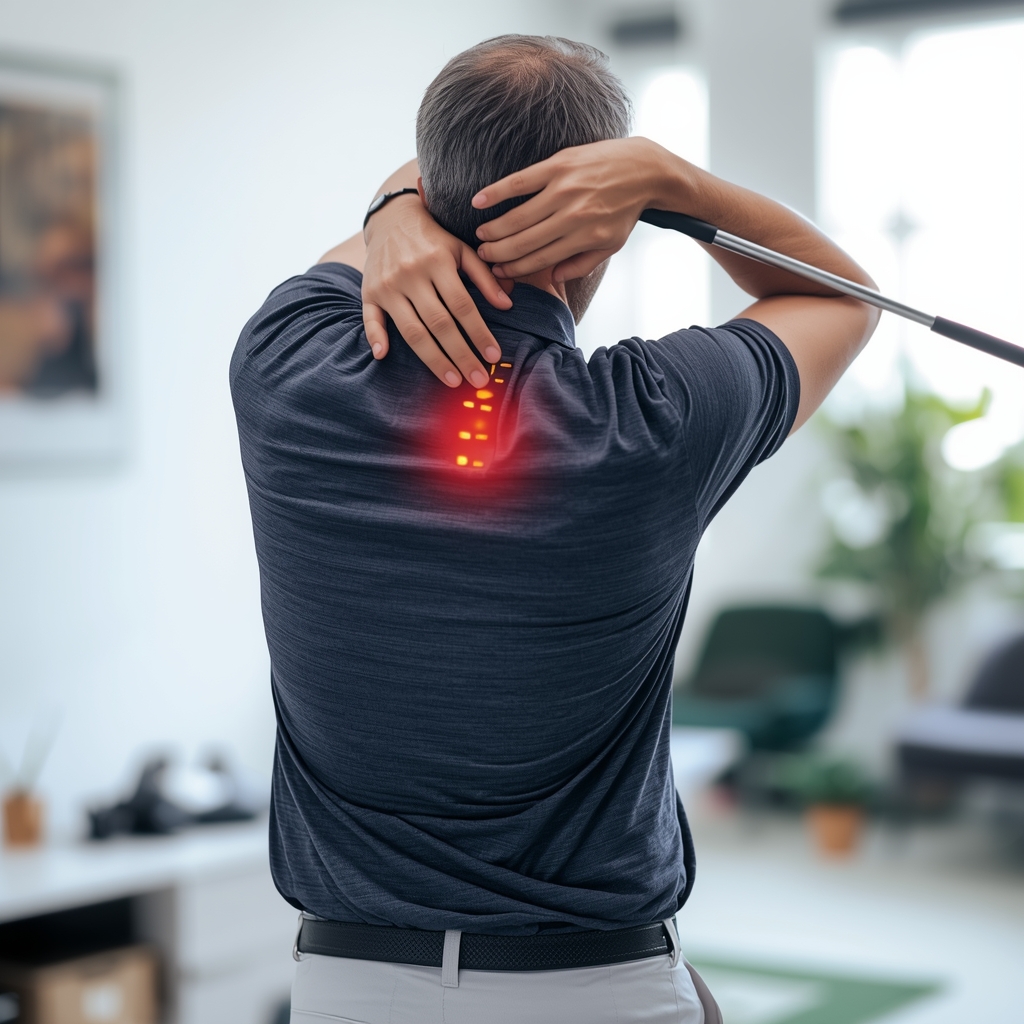
Understanding the Link Between Spinal Health and Golf Swing Mechanics
Spinal health plays a critical role in athletic performance, including the precision and power required for an effective golf swing. The spine serves as the central axis for movement, influencing posture, balance, and the transfer of force during swings. Misalignments or restricted mobility in the spine can disrupt this chain, leading to inefficient movement patterns and potential injury risks. For amateur golfers, maintaining optimal spinal function can enhance rotational ability, reduce strain on joints, and improve overall consistency. While golf may not demand the same physical intensity as other sports, the repetitive nature of the swing places unique demands on the musculoskeletal system. Addressing spinal health through chiropractic care and targeted flexibility work can help golfers achieve a more fluid, powerful swing while minimizing discomfort.
How Spinal Adjustments Improve Posture and Range of Motion
Spinal adjustments, a cornerstone of chiropractic care, aim to restore proper alignment and mobility to the vertebrae. For golfers, this can directly impact swing mechanics by ensuring the spine moves efficiently during rotation. A properly aligned spine allows for better weight transfer and core engagement, which are essential for generating power and accuracy. Adjustments can also alleviate tension in the surrounding muscles, reducing stiffness that might otherwise hinder movement. By addressing subluxations (misalignments) in the thoracic or lumbar regions, chiropractors help golfers achieve a more balanced stance and smoother swing arc. This improved biomechanics not only enhances performance but also lowers the risk of overuse injuries. While results vary, many golfers report increased comfort and greater range of motion after regular adjustments, making it a valuable tool for those seeking to refine their game.
The Role of Flexibility Exercises in Enhancing Swing Efficiency
Flexibility is a key component of a successful golf swing, as it allows for the full range of motion required during each phase of the movement. Tightness in areas like the hips, shoulders, or hamstrings can limit rotation and create compensatory patterns that reduce power and accuracy. Targeted flexibility exercises, such as dynamic stretches or yoga-inspired movements, can help golfers maintain or improve their mobility. These exercises often focus on the core, thoracic spine, and lower body—regions critical to the golf swing’s mechanics. By increasing flexibility, golfers may experience smoother transitions between backswing and follow-through, as well as reduced strain on the joints. It’s important to note that flexibility should be developed gradually and consistently, as sudden or excessive stretching can lead to injury. Combining these exercises with chiropractic care can create a holistic approach to optimizing swing performance.
Combining Adjustments and Flexibility for Optimal Performance
When spinal adjustments and flexibility exercises are integrated, they create a synergistic effect that can significantly enhance golf swing mechanics. Adjustments address structural imbalances, while flexibility work ensures the muscles and joints can move freely within their full range. This combination helps golfers achieve better posture, more efficient rotation, and improved stability during the swing. For example, a well-aligned spine paired with flexible hip flexors allows for a more powerful and controlled downswing. Additionally, this approach can reduce the risk of common golf-related injuries, such as lower back pain or shoulder strain. While individual results may vary, many amateur golfers find that a tailored program of adjustments and stretches leads to noticeable improvements in their game. Consulting with a chiropractor who understands sports performance can help create a personalized plan that addresses specific needs and goals.
Customizing Your Approach for Individual Needs
Every golfer’s body is unique, and what works for one player may not suit another. Factors like existing injuries, mobility limitations, or swing style can influence the most effective combination of spinal adjustments and flexibility exercises. A chiropractor specializing in sports performance can assess an individual’s biomechanics and recommend targeted interventions. For instance, a golfer with chronic lower back pain might benefit from specific spinal adjustments and core-strengthening exercises, while someone with limited shoulder mobility may need a focus on thoracic spine flexibility. It’s also important to consider the golfer’s goals—whether improving distance, accuracy, or injury prevention. Regular check-ins with a chiropractor can help refine the approach over time, ensuring it remains aligned with the golfer’s evolving needs. This personalized strategy maximizes the potential for long-term improvements in both performance and comfort.
Conclusion: Prioritizing Spinal Health for a Better Golf Game
For amateur golfers, prioritizing spinal health and flexibility can lead to meaningful improvements in swing mechanics and overall performance. Spinal adjustments help maintain proper alignment and mobility, while flexibility exercises ensure the body can move efficiently through the full range of motion required in a golf swing. Together, these approaches support better posture, power, and consistency on the course. However, it’s essential to approach these practices with guidance from a qualified chiropractor, as individual needs vary. By addressing structural and mobility issues proactively, golfers can reduce the risk of injury, enhance their game, and enjoy the sport with greater comfort and confidence. Whether seeking minor tweaks or significant changes, a tailored chiropractic strategy can be a valuable asset for any golfer committed to improvement.














