
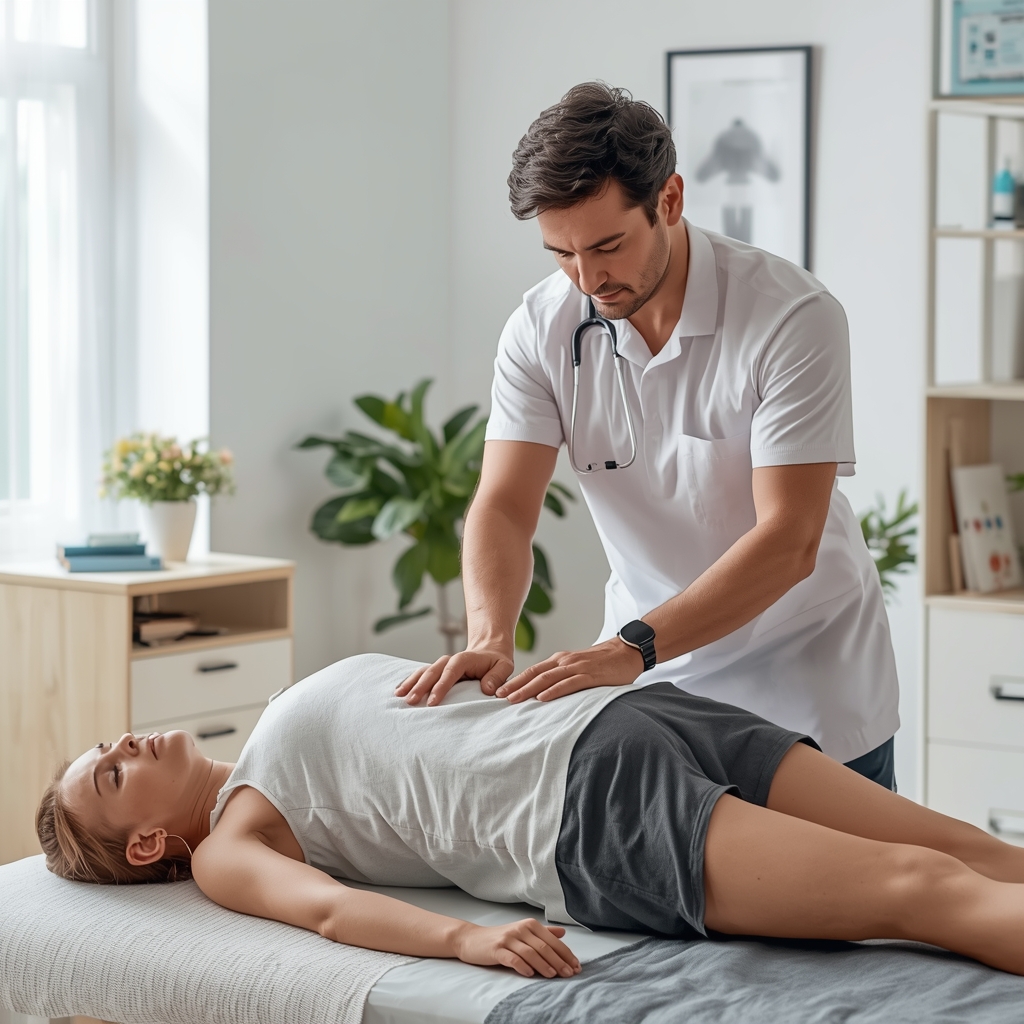
Introduction: The Role of Massage in Post-Surgical Recovery
After total knee replacement surgery, patients often experience stiffness, swelling, and muscle tightness as part of the healing process. Massage therapy can play a supportive role in rehabilitation by improving circulation, reducing tension, and promoting tissue repair. Chiropractors may recommend specific techniques to complement traditional physical therapy and enhance recovery outcomes. These methods focus on gentle manipulation of soft tissues to restore mobility and alleviate discomfort. It is essential to emphasize that massage should always be performed by a qualified practitioner familiar with post-surgical care. Patients should consult their chiropractor or healthcare provider to determine the most appropriate approach for their individual needs.
Effleurage: Gentle Strokes for Circulation and Relaxation
Effleurage involves long, gliding strokes that are often used to warm up the muscles and improve blood flow. This technique can help reduce swelling and promote lymphatic drainage in the knee area. By applying light to moderate pressure, effleurage may also ease muscle tension and prepare the body for deeper therapeutic work. Chiropractors might suggest this method as a starting point for post-surgical patients, as it is non-invasive and adaptable to varying sensitivity levels. The rhythmic nature of effleurage can also induce relaxation, which supports overall recovery. However, practitioners must avoid direct pressure on the surgical site and focus on surrounding tissues to prevent complications.
Deep Tissue Massage: Addressing Scar Tissue and Adhesions
Deep tissue massage targets the deeper layers of muscle and connective tissue, making it useful for breaking down scar tissue and adhesions that may form after surgery. This technique uses slower, more focused pressure to release chronic tension and improve flexibility. Chiropractors may recommend deep tissue work once the initial healing phase is complete, typically several weeks post-surgery. It can help restore range of motion and reduce stiffness in the knee joint. However, it is crucial to avoid applying force directly over the incision site. Patients should communicate any discomfort to the therapist, and the chiropractor should monitor progress to ensure the technique aligns with the rehabilitation plan.
Myofascial Release: Alleviating Tension in Connective Tissue
Myofascial release focuses on the fascia, the connective tissue surrounding muscles, to relieve tightness and improve mobility. This technique involves sustained pressure on restricted areas to encourage relaxation and realignment. For post-knee replacement patients, myofascial release can address restrictions in the quadriceps, hamstrings, and surrounding regions, which may contribute to discomfort or limited movement. Chiropractors may integrate this approach to enhance the effectiveness of other therapies. The method is generally gentle but can be adjusted based on the patient’s tolerance. It is important to avoid overworking the surgical area and to prioritize the patient’s comfort throughout the session.
Trigger Point Therapy: Relieving Pain and Muscle Knots
Trigger point therapy targets specific areas of muscle tightness, or “knots,” that can cause referred pain. By applying sustained pressure to these points, the technique can alleviate discomfort and improve muscle function. Post-surgical patients often develop trigger points due to altered movement patterns or compensatory behaviors. Chiropractors may recommend this approach to address localized pain and restore balanced muscle activity. The therapy requires careful application to avoid aggravating the surgical site. Patients should work with a trained therapist who understands post-operative limitations. When used appropriately, trigger point therapy can support a smoother recovery and reduce reliance on pain medication.
Neuromuscular Therapy and Lymphatic Drainage: Enhancing Nervous System and Fluid Balance
Neuromuscular therapy combines massage with movement to retrain muscle function and correct imbalances. This technique can help post-knee replacement patients regain coordination and reduce compensatory strain on other body parts. Lymphatic drainage, on the other hand, focuses on stimulating the lymphatic system to reduce swelling and promote detoxification. Both methods require specialized training and should be tailored to the patient’s recovery stage. Chiropractors may incorporate these approaches to address nerve-related discomfort and fluid retention. As with all techniques, the therapist must avoid the surgical site and prioritize the patient’s comfort. These methods can complement traditional rehabilitation but should always be discussed with a healthcare provider first.













