
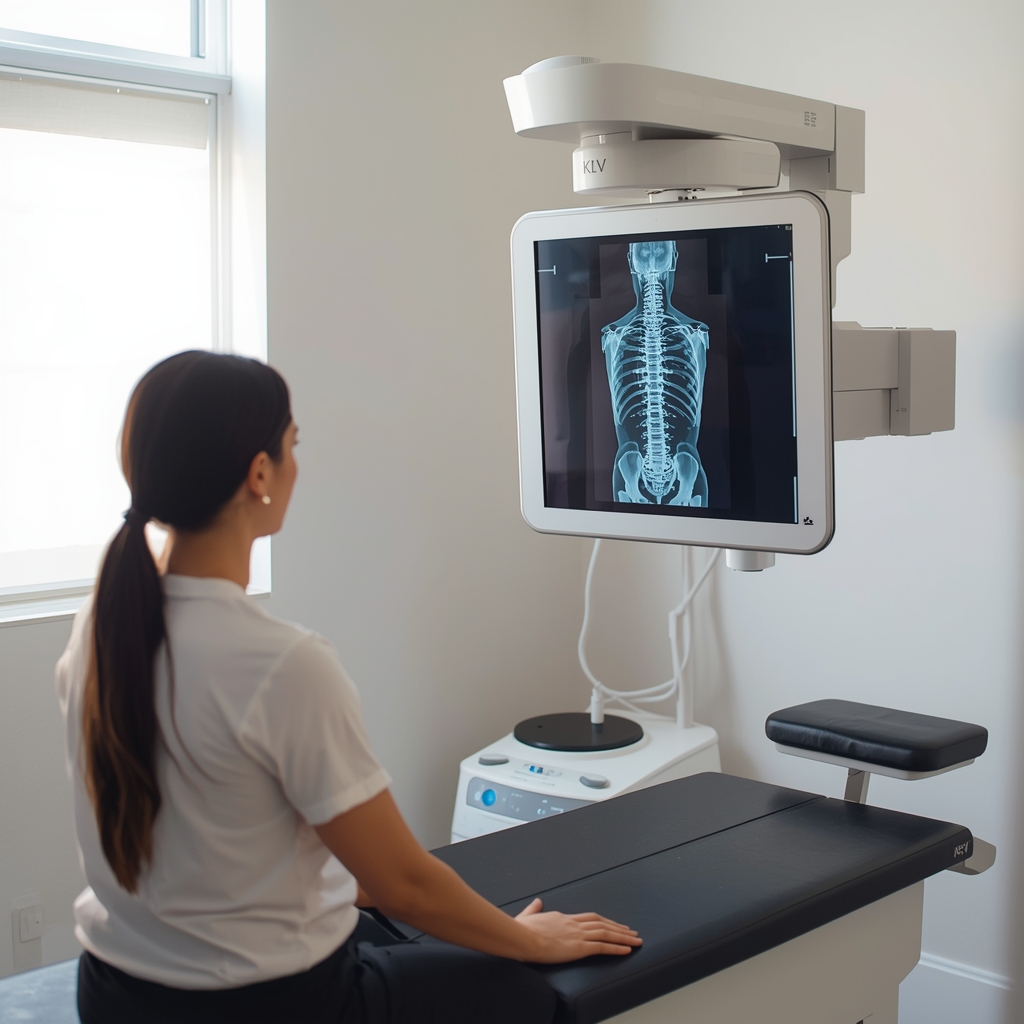
Introduction to Imaging in Chiropractic Care
During a first chiropractic appointment, imaging such as spinal X-rays may be recommended to provide a detailed view of the spine's structure. This helps chiropractors identify issues like misalignments, degenerative changes, or other abnormalities that could impact treatment planning. Imaging is typically used when a patient reports persistent pain, trauma, or specific symptoms that require further investigation. The process is non-invasive and designed to support a comprehensive evaluation. While not always necessary for every visit, it is a common step in ensuring accurate diagnosis and personalized care. Patients should understand that imaging is part of a broader assessment, not a standalone solution, and is used to guide safe, effective treatment strategies.
Preparation for the Imaging Session
Before undergoing a spinal X-ray or imaging session, patients should prepare by wearing comfortable, loose-fitting clothing that allows easy access to the back. It’s also advisable to bring any previous medical records, such as prior imaging or treatment notes, to provide context for the chiropractor. Patients should inform the provider of any existing health conditions, allergies, or concerns, such as pregnancy, to ensure the procedure is safe. The chiropractor may explain the purpose of the imaging and address any questions or anxieties. No special fasting or restrictions are typically required, but following the clinic’s specific instructions is essential. Being mentally prepared and open to discussion can help make the session smoother and more informative.
The Imaging Process Itself
The actual imaging session is usually quick and straightforward. The patient will be asked to stand or lie in specific positions to capture different views of the spine. A technician or chiropractor will position the imaging equipment, such as an X-ray machine, and ensure the patient is comfortable. The process is generally painless, though some positions may feel awkward. For X-rays, a brief exposure to low-dose radiation is used, which is considered safe when performed appropriately. The chiropractor may take multiple images to evaluate the spine from various angles. Patients are typically asked to remain still during the scan to avoid blurring the images. After the session, the images are reviewed to identify any structural concerns that may influence the treatment plan.
Interpreting the Results
Once the imaging is complete, the chiropractor will analyze the results to gain insights into the spine’s condition. They will look for signs of misalignment, disc degeneration, fractures, or other abnormalities that could contribute to the patient’s symptoms. This information helps create a tailored care plan, which may include adjustments, therapeutic exercises, or referrals for further evaluation. It’s important to note that imaging is just one part of the diagnostic process and is often combined with a physical examination and patient history. The chiropractor will discuss the findings in a way that’s easy to understand, addressing any concerns and outlining next steps. Patients should feel encouraged to ask questions to fully grasp how the results will guide their treatment.
Common Questions and Concerns
Patients often have questions about the safety, necessity, and comfort of spinal imaging. Concerns about radiation exposure are common, but modern imaging techniques use minimal doses to reduce risk. Chiropractors prioritize patient safety and will only recommend imaging when it’s clinically appropriate. Some may worry about discomfort during the session, but most find it tolerable with proper positioning. Others may question why imaging is needed, especially if symptoms seem straightforward. In such cases, the chiropractor can explain how imaging provides clarity and helps avoid potential complications. Open communication with the provider is key to addressing these concerns. Patients should feel empowered to voice their worries, as understanding the process can ease anxiety and foster trust in the care approach.
Next Steps After Imaging
Following the imaging session, the chiropractor will review the results and discuss them with the patient. This may involve explaining any findings and how they relate to the patient’s symptoms. Based on the images, the provider will outline a treatment plan that may include spinal adjustments, rehabilitative exercises, or additional diagnostic tests if needed. Patients should be prepared for a follow-up discussion to clarify any uncertainties and address further questions. It’s important to remember that imaging results are just one piece of the puzzle and are used to inform a holistic approach to care. Patients should feel comfortable asking for more details or seeking a second opinion if they have reservations. The goal is to ensure the patient feels informed and confident in the recommended course of action.















