
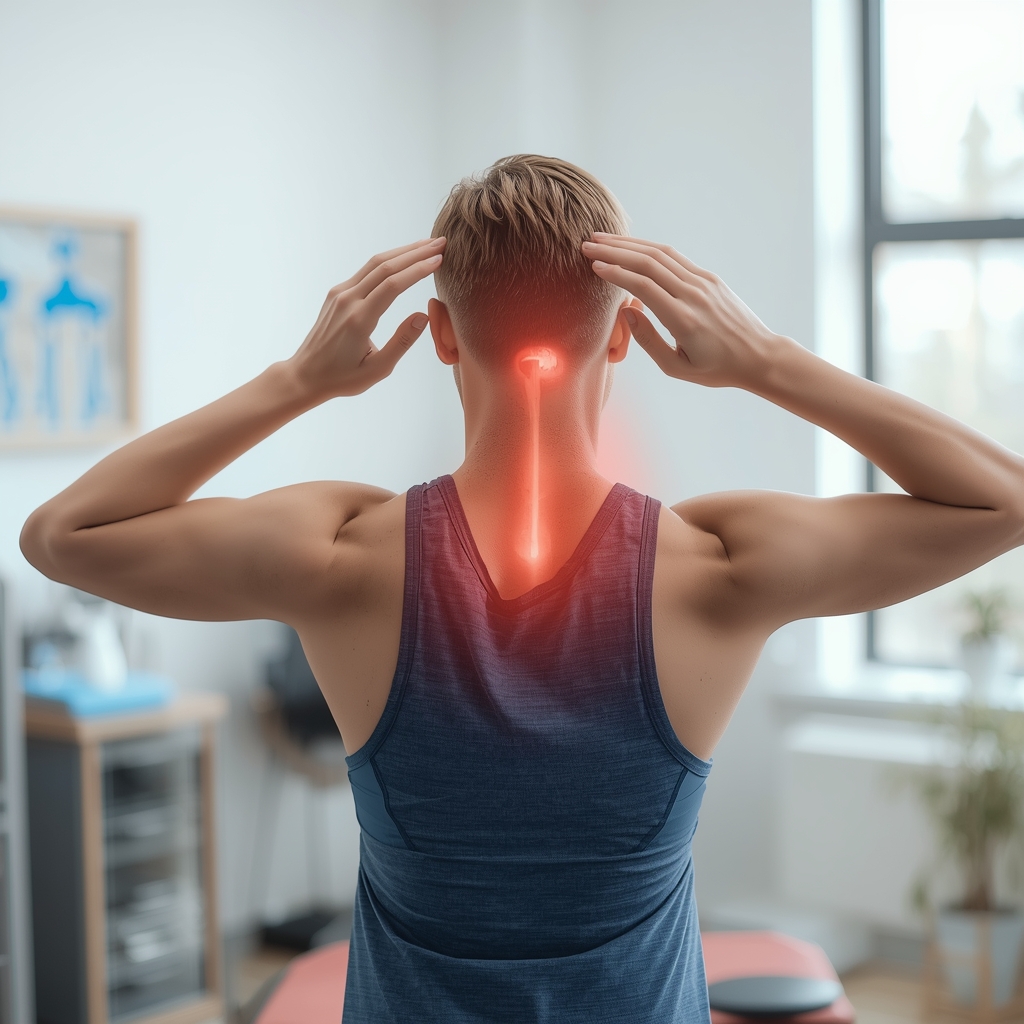
Introduction to Ultrasound Therapy and Its Applications
Ultrasound therapy is a non-invasive treatment modality that uses high-frequency sound waves to target deep tissues in the body. While commonly associated with diagnostic imaging, therapeutic ultrasound has gained recognition for its potential to aid in musculoskeletal recovery. The technology works by generating heat and mechanical vibrations that can penetrate muscles, tendons, and ligaments. For athletes with rotator cuff injuries, this therapy is often used to reduce inflammation, improve blood flow, and accelerate tissue repair. However, its effectiveness remains a topic of discussion among healthcare professionals. While some studies suggest benefits, others emphasize the need for further research. As a complementary approach, ultrasound therapy is typically part of a broader treatment plan rather than a standalone solution. Understanding its role requires examining how it interacts with the body’s natural healing processes and how it might specifically address the challenges of rotator cuff injuries.
Mechanism of Action for Rotator Cuff Injuries
The rotator cuff consists of muscles and tendons that stabilize the shoulder joint, making it vulnerable to overuse and injury, especially in athletes. Ultrasound therapy may help by delivering focused sound waves that create micro-vibrations in the affected tissues. These vibrations can increase blood circulation, which may promote the delivery of oxygen and nutrients to damaged areas. Additionally, the heat generated by the therapy can relax tight muscles and reduce stiffness, potentially easing pain and improving mobility. Some researchers suggest that the mechanical effects of ultrasound might stimulate collagen production, aiding in the repair of torn tendons. However, the exact mechanisms remain under investigation, and results can vary depending on the injury’s severity and the patient’s overall health. While the therapy is generally safe, its application requires careful calibration to avoid overheating tissues. Athletes considering this treatment should consult with a qualified provider to determine if it aligns with their specific needs and recovery goals.
Role in Athletic Recovery and Rehabilitation
Athletes often seek treatments that balance speed and safety during recovery, and ultrasound therapy is frequently considered for its potential to support this balance. For rotator cuff injuries, which can significantly impact performance, the therapy may help reduce downtime by addressing inflammation and promoting tissue healing. Its ability to penetrate deep tissues makes it particularly useful for targeting areas that are difficult to reach through other methods. However, the therapy is most effective when integrated into a comprehensive rehabilitation program that includes strengthening exercises, flexibility work, and manual therapy. Athletes may also benefit from the therapy’s ability to break down scar tissue, which can form after an injury and limit range of motion. Despite its advantages, ultrasound therapy is not a substitute for rest, proper technique, or other evidence-based interventions. Its role is best understood as a supportive tool that, when used appropriately, can enhance the body’s natural recovery processes and help athletes return to their sport more quickly and safely.
Benefits and Limitations of Ultrasound Therapy
Ultrasound therapy offers several potential benefits for athletes recovering from rotator cuff injuries. It is non-invasive, which reduces the risks associated with surgical or pharmacological interventions. The therapy can also be tailored to the individual, with adjustments made to the frequency and intensity of the sound waves based on the injury’s stage and the patient’s tolerance. Additionally, it may provide pain relief by reducing inflammation and relaxing tense muscles, which can improve comfort during rehabilitation. However, the therapy has limitations. Its effectiveness can vary depending on factors such as the depth of the injury, the patient’s overall health, and the skill of the practitioner. Some studies suggest that the evidence supporting ultrasound therapy for rotator cuff injuries is inconclusive, highlighting the need for more rigorous research. Moreover, the therapy may not be suitable for all types of tissue damage, such as severe tears that require surgical repair. Athletes should approach ultrasound therapy with realistic expectations, understanding that it is most effective when combined with other treatments and under the guidance of a qualified healthcare provider.
Integration with Other Treatment Modalities
For optimal results, ultrasound therapy is often combined with other treatments to address rotator cuff injuries holistically. Chiropractic adjustments, for instance, can help restore proper joint function and alignment, which may enhance the effectiveness of ultrasound therapy. Physical therapy exercises, such as rotator cuff strengthening and stretching routines, are also critical for long-term recovery. In some cases, modalities like cold laser therapy or electrical stimulation may be used alongside ultrasound to target different aspects of healing. Manual therapies, such as soft tissue mobilization or trigger point release, can further alleviate muscle tension and improve mobility. The key to successful integration lies in a coordinated approach that addresses both the symptoms and underlying causes of the injury. Athletes should work closely with their healthcare team to develop a personalized plan that incorporates ultrasound therapy and other evidence-based interventions. This collaborative strategy can maximize recovery outcomes while minimizing the risk of re-injury.
Conclusion and Professional Guidance
Ultrasound therapy can be a valuable tool in the treatment of rotator cuff injuries, particularly for athletes seeking non-invasive options to support recovery. Its ability to reduce inflammation, improve circulation, and promote tissue healing makes it a popular choice in many rehabilitation programs. However, the therapy’s effectiveness depends on proper application, individual factors, and integration with other treatments. Athletes considering ultrasound therapy should consult with a qualified chiropractor or healthcare provider to determine if it aligns with their specific condition and goals. A professional can assess the injury’s severity, recommend appropriate treatment protocols, and monitor progress over time. While ultrasound therapy may offer benefits, it is not a substitute for rest, proper technique, or other evidence-based interventions. By working with a knowledgeable provider, athletes can make informed decisions about their care and take proactive steps toward a safe and effective recovery.













