
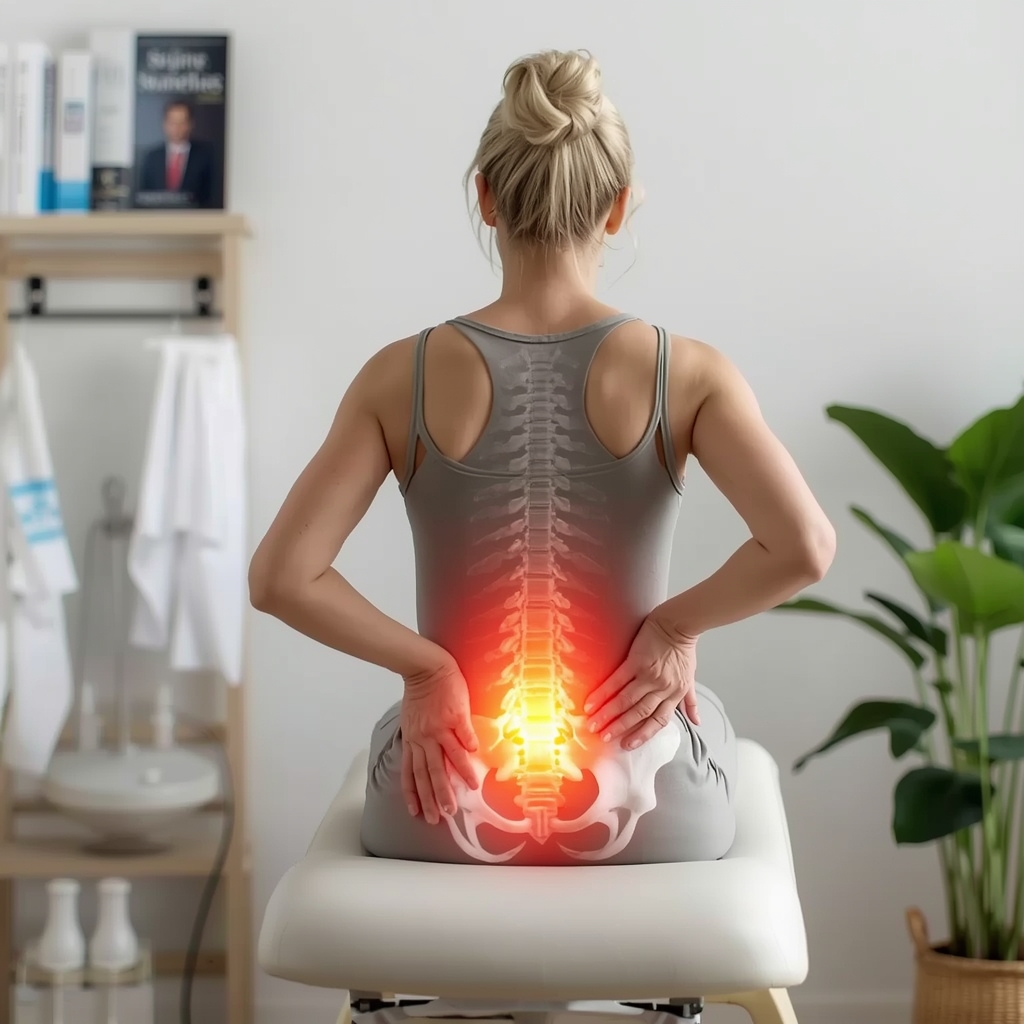
Understanding Pelvic Alignment and Sacroiliac Joint Function
The pelvis serves as a critical foundation for the spine and lower body, directly influencing the stability and function of the sacroiliac (SI) joints. These joints connect the sacrum to the pelvis and play a key role in transferring weight and force between the upper body and legs. When pelvic alignment is disrupted—whether due to postural imbalances, muscle weakness, or structural asymmetries—the SI joints can become overloaded, leading to chronic pain. This misalignment often creates uneven pressure on the surrounding ligaments and muscles, contributing to inflammation and reduced mobility. Understanding the relationship between pelvic positioning and SI joint health is essential for addressing persistent discomfort. Chiropractors often assess the pelvis as part of a broader evaluation to identify underlying issues that may perpetuate pain, emphasizing the need for a holistic approach to treatment.
How Pelvic Misalignment Contributes to Chronic Pain
Chronic sacroiliac joint pain frequently stems from long-term pelvic misalignment, which can result from repetitive strain, injury, or poor biomechanics. For example, a slight tilt in the pelvis may cause one SI joint to bear more weight than the other, leading to localized inflammation and nerve irritation. This imbalance can also affect surrounding muscles, such as the glutes and hamstrings, creating a cycle of tension and pain. Over time, the body compensates for these imbalances, potentially leading to additional issues in the lower back or hips. Chiropractors recognize that addressing the root cause—pelvic alignment—is crucial for long-term relief. By restoring symmetry and function to the pelvis, they aim to reduce stress on the SI joints and promote natural healing processes, offering a non-invasive alternative to more aggressive treatments.
Chiropractic Techniques for Pelvic Realignment
Chiropractors employ a variety of techniques to address pelvic misalignment and its impact on the sacroiliac joints. Spinal adjustments are a cornerstone of this approach, focusing on restoring proper alignment to the pelvis and spine. These adjustments may involve gentle manipulations to reposition the sacrum and iliac bones, reducing pressure on the SI joints. Soft tissue therapies, such as myofascial release or trigger point therapy, are often used to alleviate tension in the muscles surrounding the pelvis, which can contribute to instability. Additionally, chiropractors may incorporate mobilization techniques to improve joint mobility and reduce stiffness. By combining these methods, they aim to correct structural imbalances and support the body's natural ability to heal. Each treatment plan is tailored to the individual, ensuring that the specific needs of the patient are addressed effectively.
The Role of Spinal Adjustments in Restoring Balance
Spinal adjustments are a primary tool for chiropractors in addressing pelvic misalignment and its effects on the sacroiliac joints. These adjustments involve precise, controlled forces applied to specific areas of the spine and pelvis to correct subluxations—misalignments that interfere with nervous system function. By realigning the pelvis, chiropractors help reduce abnormal stress on the SI joints, which can alleviate pain and improve mobility. The process also encourages better weight distribution across the lower body, decreasing the likelihood of compensatory movements that exacerbate discomfort. Patients often report reduced inflammation and improved stability after a series of adjustments, as the body begins to function more efficiently. This approach emphasizes the interconnected nature of the musculoskeletal system, highlighting how a balanced pelvis supports overall spinal health and reduces the risk of recurring pain episodes.
Complementary Therapies and Patient Education
In addition to spinal adjustments, chiropractors often integrate complementary therapies to enhance the effects of pelvic realignment. These may include therapeutic exercises to strengthen core and stabilizing muscles, which play a vital role in maintaining proper pelvic position. Patients may also receive guidance on posture, movement patterns, and ergonomic adjustments to prevent future imbalances. Soft tissue therapies, such as massage or dry needling, can further reduce muscle tension and improve joint function. Education is a key component of care, as patients learn to recognize early signs of misalignment and adopt habits that support long-term wellness. By combining hands-on treatments with lifestyle modifications, chiropractors empower individuals to take an active role in their recovery. This multifaceted approach not only addresses current symptoms but also fosters resilience against future issues, promoting sustained relief from chronic sacroiliac joint pain.
When to Seek Professional Evaluation
If you experience persistent lower back or pelvic pain, especially around the sacroiliac joints, consulting a chiropractor can provide valuable insights into potential misalignments. Chronic pain that worsens with movement or fails to improve with rest may indicate underlying structural issues that require professional attention. A chiropractor will conduct a thorough assessment, including a physical examination and possibly imaging, to identify pelvic imbalances and their impact on the SI joints. While this article provides general information, it is not a substitute for personalized medical advice. Each individual’s condition is unique, and a qualified chiropractor can develop a tailored plan to address specific needs. Early intervention often leads to better outcomes, as correcting misalignments before they worsen can prevent long-term complications. By seeking professional care, patients take an important step toward restoring balance, reducing pain, and improving overall quality of life.













