
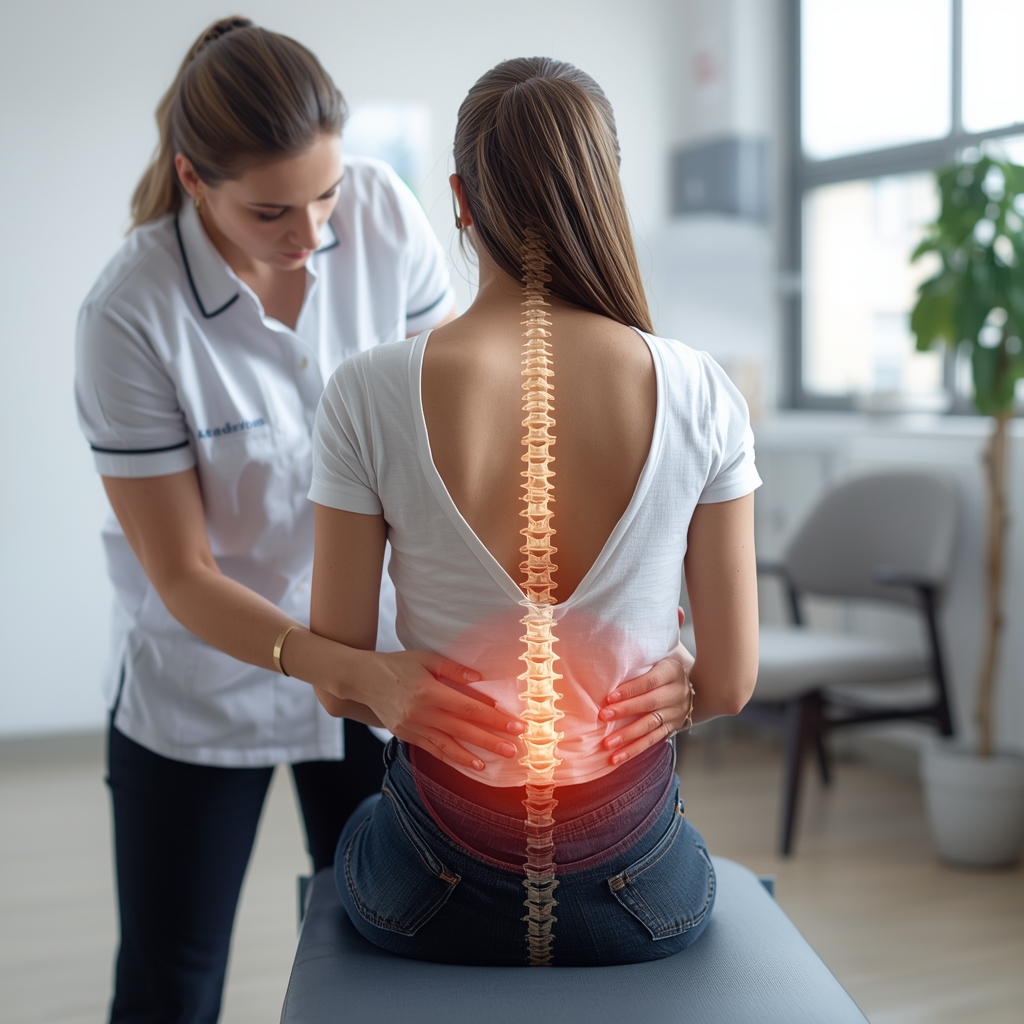
What Step-by-Step Techniques Are Most Effective for Demonstrating a Lumbar Spine Mobilization to Patients with Sciatica?
## Understanding the Role of Lumbar Spine Mobilization in Sciatica Management
Sciatica, characterized by pain radiating along the sciatic nerve, often stems from lumbar spine compression or irritation. Mobilization techniques aim to gently restore mobility, reduce nerve pressure, and alleviate discomfort. For patients, understanding these methods can empower them to participate actively in their care. Chiropractors use controlled, repetitive movements to improve joint function and flexibility, which may complement other treatments like adjustments or therapeutic exercises. While not a substitute for professional care, these techniques can enhance recovery when guided properly. Patients should always consult a qualified provider to ensure safety and appropriateness for their condition.
## Step 1: Proper Patient Positioning and Comfort
Begin by ensuring the patient is in a comfortable, stable position—typically supine (on their back) or side-lying. Proper alignment of the spine is critical to avoid exacerbating symptoms. The chiropractor should assess the patient’s pain levels and adjust the position as needed. For example, a slight bend in the knees may relieve lower back tension. The environment should be calm, with minimal distractions, to help the patient relax. Clear communication is key: explain each step to reduce anxiety and foster trust. This foundation sets the stage for effective mobilization while prioritizing the patient’s comfort and safety.
## Step 2: Gentle Mobilization Techniques
Start with slow, controlled movements to avoid triggering pain. Common approaches include pelvic tilts, where the patient gently arches and flattens their lower back while lying on their back. Another method is the supine knee-to-chest stretch, which involves pulling one knee toward the chest to gently stretch the lumbar region. These movements should be performed within the patient’s pain-free range. The chiropractor may use their hands to support or guide the motion, ensuring it remains non-invasive. The goal is to encourage mobility without forcing joints or tissues. Patients should be advised to stop immediately if they experience sharp or increasing pain, emphasizing the importance of individualized care.
## Step 3: Incorporating Breathing and Relaxation
Breathing techniques can enhance the effectiveness of mobilization by promoting muscle relaxation and reducing tension. Instruct the patient to take slow, deep breaths—inhaling through the nose and exhaling through the mouth—during each movement. This helps the body release stress and improves oxygen flow to the muscles. The chiropractor may also use verbal cues to synchronize breathing with motion, such as exhaling during the stretch phase of a movement. Relaxation is crucial, as tight muscles can hinder progress. Encouraging a calm mindset and using gentle, reassuring language can make the process more comfortable. This step reinforces the mind-body connection, making the technique more accessible for patients to practice independently.
## Step 4: Progression and Customization
Mobilization techniques should evolve based on the patient’s response and comfort level. Initially, movements may be brief and low-intensity, gradually increasing in duration and complexity as tolerated. For example, a patient might start with 10-second stretches and progress to 30-second holds. The chiropractor may also introduce variations, such as adding a foam roll for support or modifying the angle of a stretch. Personalization is essential: what works for one patient may not suit another. Regular reassessment ensures the techniques remain effective and safe. Patients should be encouraged to communicate openly about their experiences, fostering a collaborative approach to their care.
## Step 5: Educating Patients on Self-Management
Empowering patients to continue mobilization exercises at home is vital for long-term relief. The chiropractor should demonstrate each technique thoroughly, allowing the patient to practice under supervision before independent use. Provide clear, written or visual instructions to reinforce learning. Emphasize consistency, as regular practice yields better results. Patients should also be advised to avoid overexertion and recognize warning signs, such as increased pain or numbness. Follow-up appointments can help monitor progress and adjust the plan as needed. This educational approach not only supports recovery but also builds the patient’s confidence in managing their condition effectively.














