
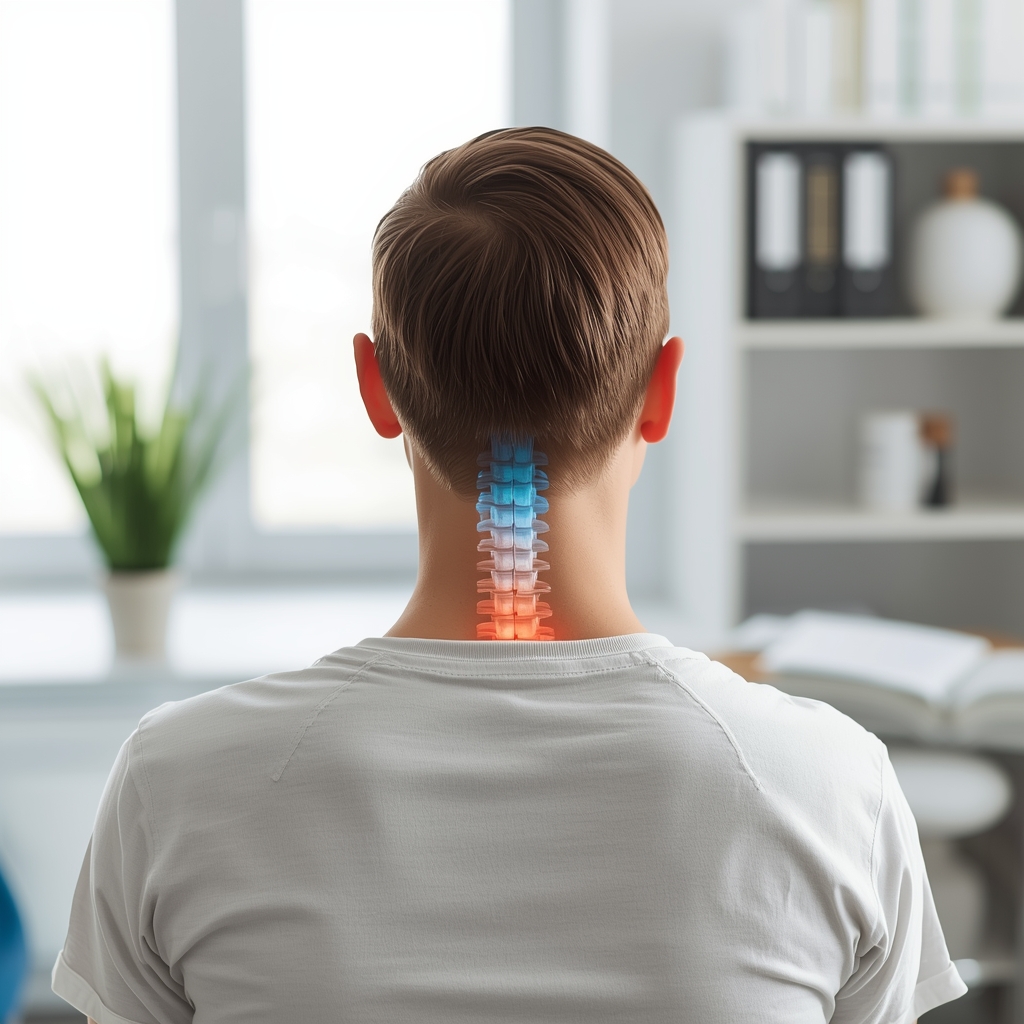
Understanding Vestibular Neuritis and Cervical Spine Connections
Vestibular neuritis is a condition affecting the inner ear, causing sudden, severe dizziness and balance issues. While primarily linked to viral infections, some research suggests the cervical spine may play a role in symptom severity or recovery. The neck's nerves and joints are closely connected to the vestibular system, which controls balance. Misalignments or tension in the cervical spine could theoretically influence these pathways, though the exact mechanisms remain under study. Patients often report dizziness alongside neck pain, prompting exploration of spinal adjustments as a potential supportive treatment. However, this connection requires careful evaluation by healthcare professionals to distinguish between primary vestibular issues and secondary cervical contributions.
How Cervical Spine Manipulation Might Help
Chiropractic adjustments to the cervical spine aim to restore proper alignment and function. Proponents argue that correcting misalignments may reduce pressure on nerves and blood vessels, potentially alleviating dizziness associated with vestibular neuritis. By improving mobility in the neck, these techniques could enhance communication between the spine and the brain's balance centers. Some practitioners observe that patients with concurrent neck pain and dizziness experience relief after adjustments, though results vary. It's important to note that cervical manipulation is not a primary treatment for vestibular neuritis but may serve as an adjunct for those with overlapping symptoms. Always consult a qualified provider to determine if this approach aligns with your specific condition.
Evidence and Research Gaps
Current scientific evidence on cervical spine manipulation for vestibular neuritis is limited. While some studies suggest spinal adjustments may improve balance and reduce dizziness in certain cases, results are inconsistent. Research often focuses on broader neck pain populations rather than vestibular-specific conditions. Larger, well-controlled trials are needed to establish clear guidelines. Patients should approach this treatment with realistic expectations, understanding that it may not address the root cause of vestibular neuritis. Instead, it could offer complementary support for related symptoms. Ongoing research continues to explore the interplay between spinal health and inner ear function, but definitive conclusions remain pending.
Considerations and Safety Precautions
Cervical spine manipulation carries risks, particularly for individuals with certain conditions like osteoporosis, spinal cord compression, or vascular issues. These risks underscore the importance of a thorough evaluation before treatment. A chiropractor should review your medical history, imaging, and symptoms to assess suitability. For vestibular neuritis, treatment should focus on the underlying cause, such as antiviral therapy or vestibular rehabilitation. Cervical adjustments may be considered only if neck-related factors are identified as contributors. Always seek care from a licensed professional who can differentiate between primary vestibular disorders and secondary cervical influences to avoid unnecessary interventions.
Integrating Chiropractic Care with Other Treatments
Vestibular neuritis typically requires a multidisciplinary approach. Chiropractic care may complement conventional treatments like vestibular therapy, medications, or physical rehabilitation. For example, addressing neck tension through adjustments could enhance the effectiveness of balance retraining exercises. However, it's crucial to coordinate with your primary healthcare provider to ensure all treatments align. Some patients find that combining spinal care with lifestyle modifications—such as stress management or posture correction—yields better outcomes. Never replace proven medical treatments with chiropractic adjustments alone. A collaborative approach ensures comprehensive care tailored to your unique needs and recovery goals.
When to Seek Professional Guidance
If you experience persistent dizziness, especially after a viral illness, consult a healthcare provider to rule out vestibular neuritis or other conditions. A chiropractor can evaluate whether cervical spine issues might be contributing to your symptoms but should not diagnose or treat the primary condition. For acute dizziness, medical attention is critical to address potential complications. Chiropractic care may be considered as part of a broader plan for chronic or recurring symptoms. Always discuss any new treatments with your doctor to ensure safety and appropriateness. Remember, while cervical manipulation shows promise, it is one of many tools available to support overall wellness and symptom management.











