
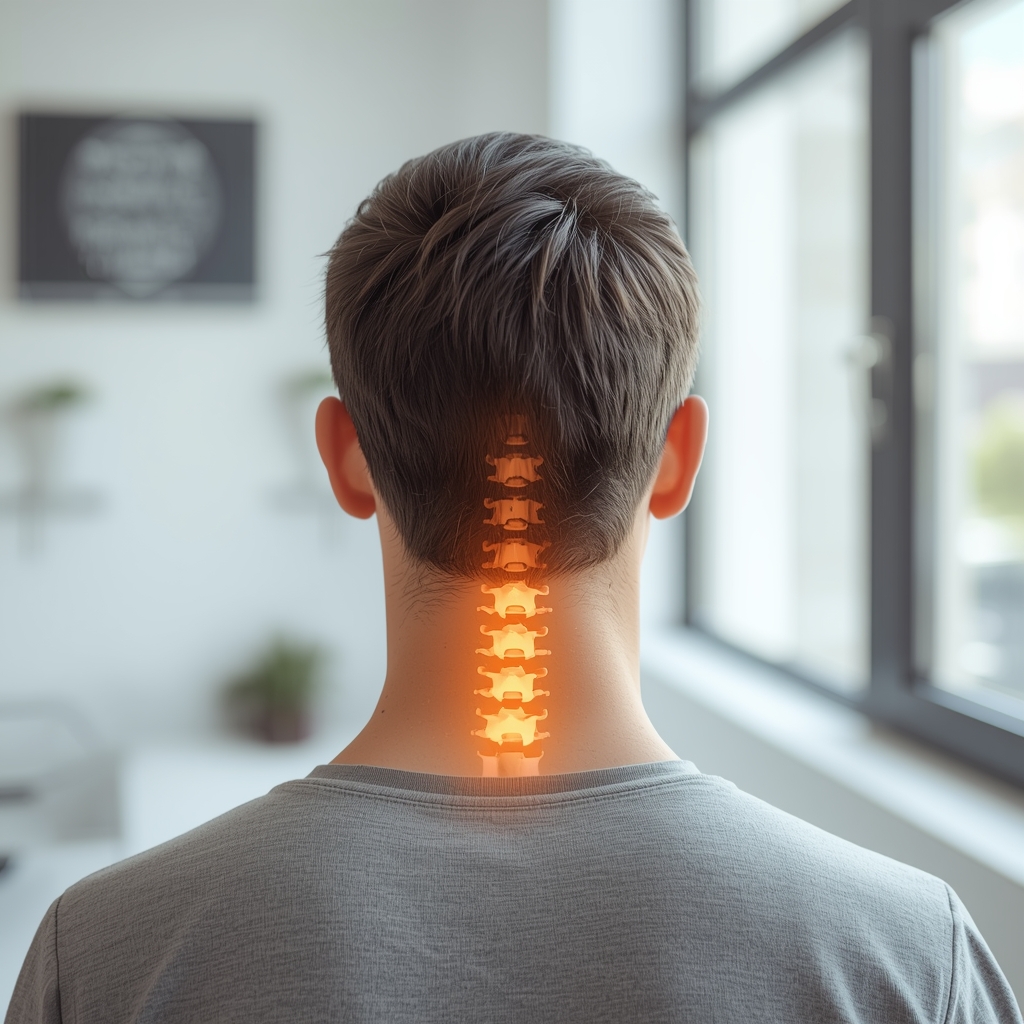
Understanding the Challenge of Differential Diagnosis
Vertigo can stem from diverse causes, making it critical for chiropractors to distinguish between inner ear disorders and cervical spine issues. Inner ear problems, such as benign paroxysmal positional vertigo (BPPV), often present with brief, position-related dizziness, while cervical spine misalignments may cause persistent vertigo linked to neck movement. Chiropractors must rely on patient history, symptom patterns, and clinical exams to narrow possibilities. Misdiagnosis risks delaying proper care, emphasizing the need for a systematic approach. This article explores key strategies chiropractors use to differentiate these conditions, ensuring patients receive targeted, effective interventions.
Key Symptom Patterns to Consider
Chiropractors evaluate symptom characteristics to guide diagnosis. Inner ear-related vertigo often involves sudden, short episodes of spinning sensations, frequently triggered by head movements. Patients may also report nausea or balance issues. In contrast, cervical spine-related vertigo typically occurs with neck movements or sustained postures, accompanied by neck pain, stiffness, or headaches. Distinguishing these patterns helps prioritize further investigation. However, overlapping symptoms can complicate matters, requiring additional diagnostic tools. Chiropractors must remain cautious, avoiding assumptions and focusing on objective findings to avoid misdiagnosis.
Physical Examination Techniques
During exams, chiropractors assess range of motion, muscle strength, and neurological function. For inner ear issues, the Dix-Hallpike maneuver can provoke vertigo, confirming BPPV. Cervical spine-related cases may show restricted neck mobility or tenderness. Chiropractors also check for nystagmus (involuntary eye movements) and perform orthopedic tests to rule out nerve compression. These findings, combined with patient-reported symptoms, help identify the root cause. However, exams alone may not always provide clarity, necessitating referrals for specialized testing when needed.
The Role of Imaging and Diagnostic Tools
Imaging like X-rays, MRI, or CT scans can reveal cervical spine abnormalities, such as herniated discs or spinal stenosis, which might contribute to vertigo. However, these tools are not always definitive for inner ear issues. Chiropractors may collaborate with audiologists for vestibular function tests or use motion analysis to assess balance. While imaging provides structural insights, it does not always correlate with symptoms. Chiropractors must interpret results within the broader clinical context, ensuring diagnostic decisions align with patient experiences and other findings.
Importance of Patient History and Risk Factors
A detailed patient history is vital. Chiropractors inquire about onset, duration, and triggers of vertigo, as well as prior injuries or conditions. Inner ear issues may follow viral infections or head trauma, while cervical vertigo often relates to neck injuries or degenerative changes. Lifestyle factors, such as prolonged poor posture, can also play a role. Understanding these elements helps chiropractors form hypotheses about the cause. However, history alone is insufficient; it must be combined with physical exams and diagnostics for accurate differentiation.
Collaboration with Other Healthcare Providers
Chiropractors often work with ENT specialists, neurologists, and physical therapists to confirm diagnoses. For example, an ENT can assess inner ear function, while a neurologist may evaluate for central nervous system causes. This multidisciplinary approach ensures comprehensive care, especially when symptoms are ambiguous. Chiropractors prioritize patient safety by referring to specialists when needed, avoiding unproven treatments. Open communication among providers enhances diagnostic accuracy and supports effective, coordinated care plans.














