
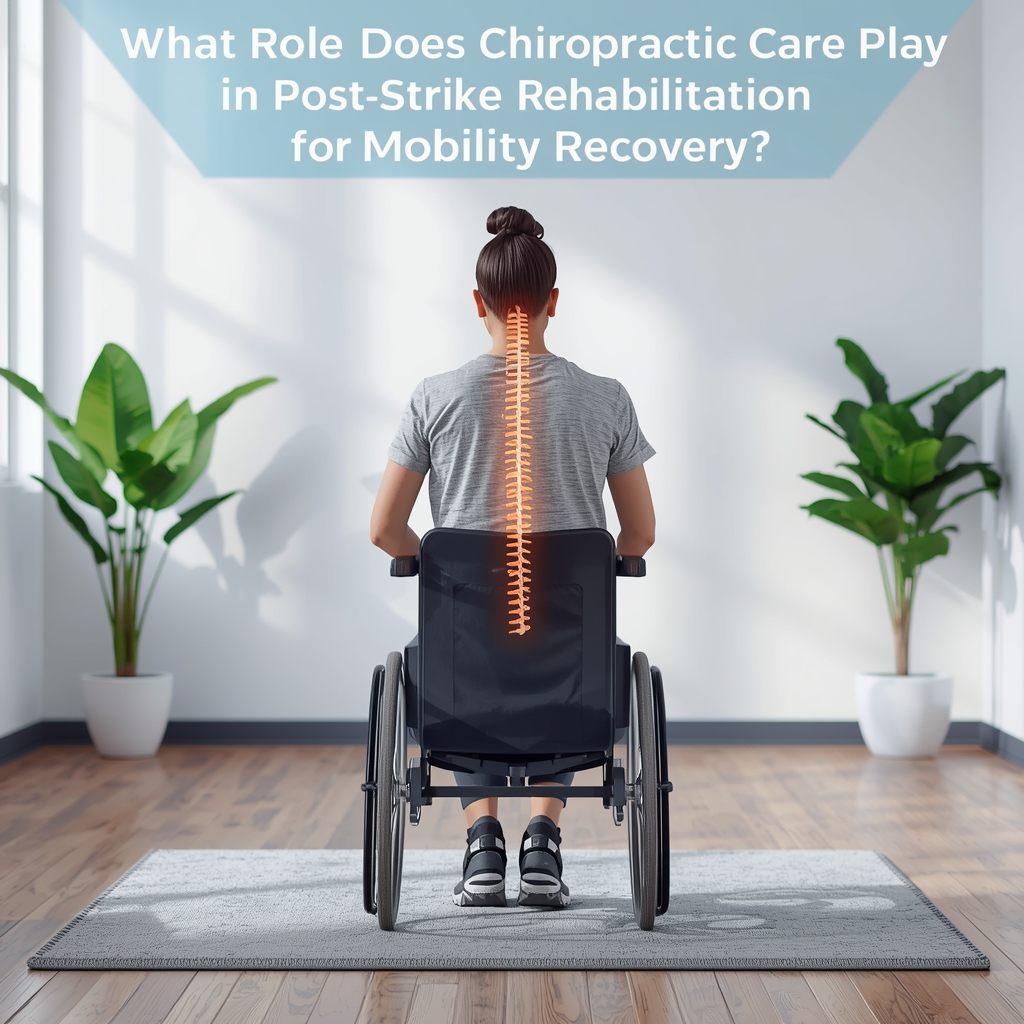
Understanding Post-Stroke Mobility Challenges
Stroke often disrupts motor function, leading to mobility impairments that affect daily life. Damage to the brain can impair muscle control, balance, and coordination, making recovery a complex process. Traditional rehabilitation focuses on physical therapy, occupational therapy, and medical interventions to restore function. However, many survivors seek complementary approaches to enhance recovery. Chiropractic care, while not a primary treatment for stroke, may play a supportive role by addressing musculoskeletal and nervous system factors that influence mobility. This article explores how chiropractic principles might contribute to post-stroke rehabilitation, emphasizing collaboration with healthcare providers rather than substituting for evidence-based therapies.
Chiropractic Care and Neurological Function
Chiropractic care focuses on the relationship between the spine and nervous system, aiming to optimize nerve function. After a stroke, neurological pathways may be damaged, leading to impaired communication between the brain and body. Some practitioners suggest that spinal adjustments could help reduce interference in nerve signals, potentially supporting recovery. While research on this specific application is limited, chiropractors often address musculoskeletal imbalances that may develop as a result of altered movement patterns post-stroke. By improving joint mobility and reducing muscle tension, chiropractic interventions might indirectly support rehabilitation efforts, though they should always complement, not replace, conventional therapies.
Addressing Musculoskeletal Compensation Patterns
Stroke survivors frequently develop compensatory movement patterns to bypass impaired areas, which can lead to secondary issues like muscle stiffness, joint misalignment, or pain. Chiropractors are trained to identify and correct these imbalances through manual techniques and rehabilitative exercises. For example, adjustments to the spine or extremities may alleviate pressure on nerves or muscles that have become overworked due to altered gait or posture. These interventions could help restore more natural movement patterns, potentially enhancing mobility outcomes. However, it is crucial to work with a chiropractor experienced in neurological conditions to ensure techniques are safe and appropriate for the individual’s recovery stage.
Supporting Rehabilitation Through Holistic Approaches
Chiropractic care often incorporates a holistic perspective, considering factors like posture, alignment, and overall body mechanics. For stroke survivors, this approach may involve exercises to improve core stability, balance training, and ergonomic adjustments to facilitate safer movement. Some chiropractors also emphasize lifestyle modifications, such as nutrition and stress management, which can influence recovery. While these strategies are not specific to stroke rehabilitation, they align with broader wellness goals that support the body’s healing processes. Integrating chiropractic care into a multidisciplinary rehabilitation plan may offer additional tools to address mobility challenges, but it should always be discussed with a healthcare team.
Collaborative Care and Patient Safety
Post-stroke rehabilitation requires careful coordination among healthcare providers to ensure safety and effectiveness. Chiropractors working with stroke survivors must have specialized knowledge of neurological conditions and rehabilitation principles. They should communicate closely with physical therapists, physicians, and other professionals to avoid conflicting treatments. For example, certain spinal manipulations may not be suitable for individuals with specific post-stroke complications, such as osteoporosis or vascular issues. Patients should disclose their full medical history and current treatments to their chiropractor to minimize risks. Collaborative care ensures that chiropractic interventions are tailored to the individual’s needs while adhering to established medical guidelines.
Considering Individualized Treatment Plans
Every stroke survivor’s recovery journey is unique, influenced by factors like the severity of the stroke, affected brain regions, and overall health. Chiropractic care should be part of a personalized rehabilitation strategy, not a one-size-fits-all solution. Patients interested in exploring chiropractic support should consult with their primary care provider and a licensed chiropractor to evaluate potential benefits and risks. While some individuals may find chiropractic techniques helpful in managing mobility-related challenges, others may not experience significant improvements. Open dialogue with healthcare professionals is essential to determine whether chiropractic care aligns with the patient’s goals and medical needs, ensuring a safe and informed approach to recovery.














