
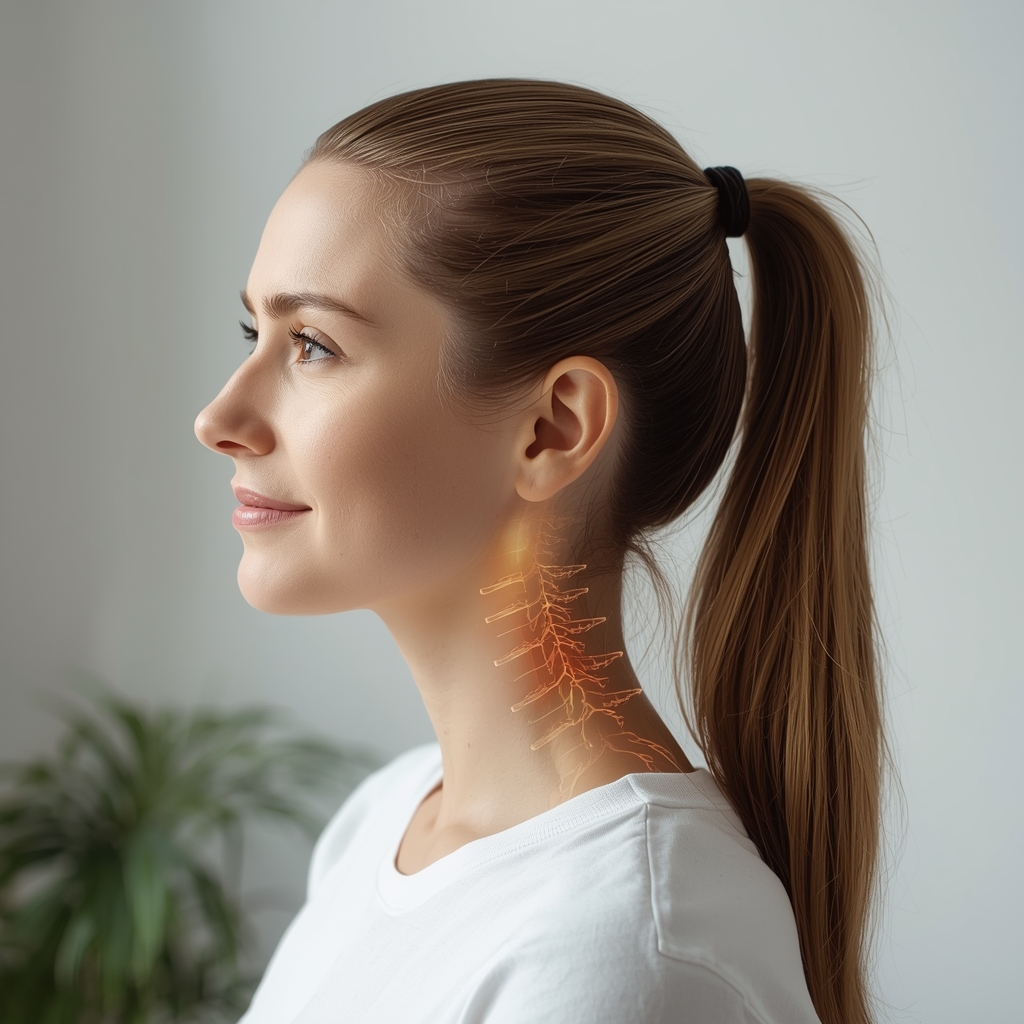
Understanding the Link Between Cervical Spine and TMJ Pain
The cervical spine (neck) and temporomandibular joint (TMJ) are anatomically connected through shared musculature and neural pathways. Postural imbalances, such as forward head positioning or slouched sitting, can strain the neck’s vertebrae and surrounding muscles. This misalignment may create referred pain or tension that radiates to the jaw area, contributing to TMJ dysfunction. The trigeminal nerve, which innervates the jaw, also interacts with cervical structures, making the relationship complex. While TMJ pain is often attributed to direct jaw issues, secondary factors like cervical spine misalignment are increasingly recognized as significant contributors. Addressing these postural imbalances through targeted interventions may offer relief for patients experiencing persistent or recurring TMJ symptoms.
Postural Imbalances and Their Impact on Spinal Alignment
Prolonged poor posture—common in desk workers, drivers, or individuals with sedentary lifestyles—can lead to chronic strain on the cervical spine. This strain alters the natural curvature of the neck, creating uneven pressure on joints and muscles. Such imbalances may cause the head to shift forward, increasing the load on the cervical vertebrae and triggering compensatory movements in the jaw. Over time, this can lead to TMJ pain as the jaw’s movement becomes restricted or misaligned. Additionally, tightness in the suboccipital muscles (located at the base of the skull) may exacerbate both neck and jaw discomfort. Recognizing these connections is critical for developing comprehensive treatment plans that address root causes rather than isolated symptoms.
How Cervical Spine Realignment Can Alleviate Secondary TMJ Pain
Chiropractic adjustments aimed at realigning the cervical spine can reduce tension in the muscles and nerves that influence the TMJ. By restoring proper spinal curvature and joint mobility, these interventions may alleviate referred pain and improve jaw function. For example, correcting cervical misalignments can decrease pressure on the trigeminal nerve, which plays a role in TMJ sensitivity. Additionally, improved posture reduces the mechanical stress on the jaw joint, allowing for more natural movement. While not a standalone solution, cervical realignment is often part of a multidisciplinary approach that includes physical therapy, ergonomic adjustments, and patient education. A qualified chiropractor can assess individual needs and determine if spinal realignment is a viable component of TMJ treatment.
The Role of Chiropractic Care in Addressing Postural and TMJ Issues
Chiropractic care offers a holistic strategy for managing TMJ pain linked to postural imbalances. Beyond spinal adjustments, practitioners may incorporate soft tissue therapies, corrective exercises, and posture retraining to address underlying causes. For instance, strengthening the neck and shoulder stabilizers can counteract the effects of poor posture, while stretching tight muscles may reduce jaw tension. Chiropractors often collaborate with other healthcare providers to create personalized plans that integrate manual therapies, lifestyle modifications, and patient education. This approach emphasizes long-term wellness over temporary symptom relief, helping patients achieve balanced musculoskeletal function. However, results vary, and ongoing communication with a licensed provider is essential to tailor interventions effectively.
Considerations for Patients Exploring Cervical Realignment
Patients considering cervical spine realignment for TMJ pain should consult a licensed chiropractor to evaluate their specific condition. Not all TMJ issues stem from postural imbalances, and a thorough assessment is necessary to identify contributing factors. A chiropractor may use diagnostic tools, such as posture analysis or spinal imaging, to guide treatment decisions. It’s important to note that realignment is typically part of a broader care plan and may not resolve TMJ pain alone. Patients should also be aware of potential side effects, such as temporary soreness, and discuss any concerns with their provider. Open dialogue with a qualified professional ensures that interventions align with individual health goals and avoid unnecessary or conflicting treatments.
Conclusion: A Holistic Approach to TMJ and Postural Health
Addressing TMJ pain through cervical spine realignment highlights the interconnected nature of the body’s musculoskeletal system. Postural imbalances can create a cascade of issues, affecting both the neck and jaw, and requiring a comprehensive treatment strategy. Chiropractic care provides a non-invasive option to realign the spine, reduce tension, and improve overall function. However, success depends on individualized care, patient commitment, and collaboration with other healthcare professionals. By focusing on root causes rather than isolated symptoms, patients can achieve lasting relief and better posture-related wellness. As research continues to explore these connections, a multidisciplinary approach remains the most effective path for managing complex conditions like TMJ dysfunction.













