
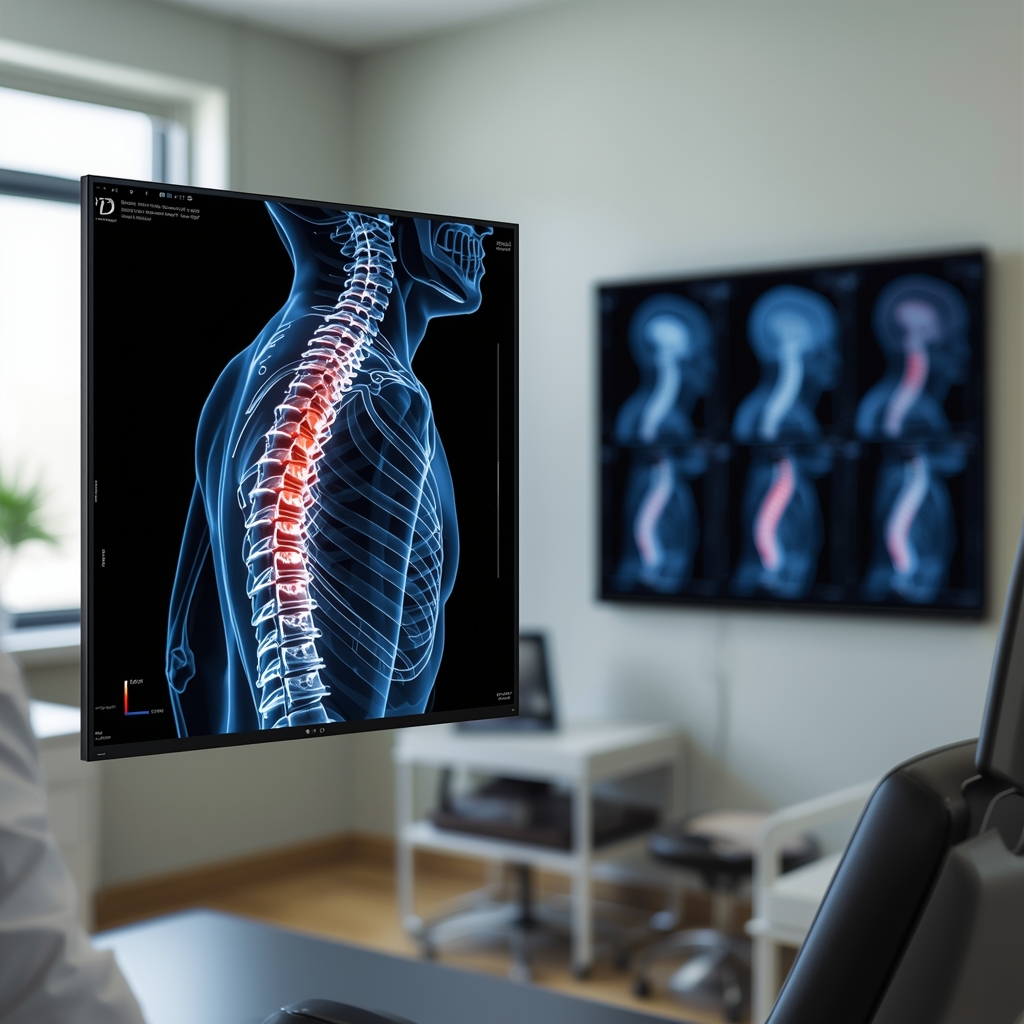
Evolution of Spinal Imaging in Chiropractic Care
Spinal imaging has become a cornerstone of modern chiropractic practice, enabling practitioners to visualize the spine's structure and identify misalignments or abnormalities with greater precision. Traditional methods like X-rays have long been used, but recent advancements in imaging technology are transforming how chiropractors diagnose and treat spinal conditions. These innovations provide clearer, more detailed images, allowing for earlier detection of issues and more targeted interventions. As technology evolves, chiropractors are gaining tools that enhance both diagnostic accuracy and patient outcomes, making imaging an increasingly vital component of comprehensive care.
Advances in MRI and CT Scanning
Recent improvements in magnetic resonance imaging (MRI) and computed tomography (CT) scans have significantly enhanced the ability to assess soft tissues, discs, and nerves within the spine. Higher-resolution imaging allows chiropractors to detect subtle changes, such as disc degeneration or nerve compression, that might be missed with older technologies. Additionally, faster scan times reduce patient discomfort and improve workflow. While these technologies are not yet universally accessible in all chiropractic offices, their integration into specialized practices is growing. By offering more detailed insights, these advancements empower chiropractors to develop more accurate treatment plans tailored to individual patient needs.
3D Imaging and Real-Time Visualization
The emergence of 3D imaging technology has revolutionized spinal diagnostics by providing dynamic, multi-angle views of the spine. Unlike traditional 2D imaging, 3D models allow chiropractors to analyze spinal curvature, alignment, and movement patterns in greater detail. This is particularly valuable for assessing complex conditions like scoliosis or spinal instability. Some systems now offer real-time imaging, enabling practitioners to observe how the spine responds to movement or adjustments. This level of detail not only improves diagnostic accuracy but also helps patients better understand their condition, fostering informed decision-making about their care.
Portable and AI-Enhanced Imaging Devices
Portable imaging devices are making advanced diagnostics more accessible, particularly in rural or underserved areas. These compact tools, such as handheld ultrasound or portable X-ray systems, allow chiropractors to perform scans on-site, reducing the need for patient referrals to specialized facilities. When combined with artificial intelligence (AI), these devices can analyze images and highlight potential issues, aiding in quicker and more consistent diagnoses. While still emerging, this technology holds promise for expanding the reach of high-quality spinal care. However, chiropractors must ensure these tools are used in conjunction with clinical expertise to avoid over-reliance on automated systems.
Integration of Digital Imaging with Patient Records
Modern chiropractic practices are increasingly adopting digital imaging systems that seamlessly integrate with electronic health records (EHRs). This allows for easy storage, retrieval, and comparison of imaging data over time, helping track changes in a patient’s condition. Digital platforms also enable secure sharing of images with other healthcare providers, promoting coordinated care. For patients, this means more efficient follow-ups and a clearer picture of their progress. As these systems evolve, they are likely to become standard in chiropractic offices, further streamlining the diagnostic and treatment process.
Future Directions and Patient-Centric Benefits
Looking ahead, spinal imaging technology is expected to become even more precise and patient-friendly. Innovations like AI-driven analytics and wearable imaging devices may soon allow for continuous monitoring of spinal health. These developments could lead to earlier interventions and more personalized treatment strategies. For patients, the benefits include reduced diagnostic uncertainty, fewer unnecessary procedures, and a greater understanding of their condition. As chiropractors embrace these advancements, the focus remains on enhancing care quality while maintaining a patient-centered approach that prioritizes safety and informed choices.













