
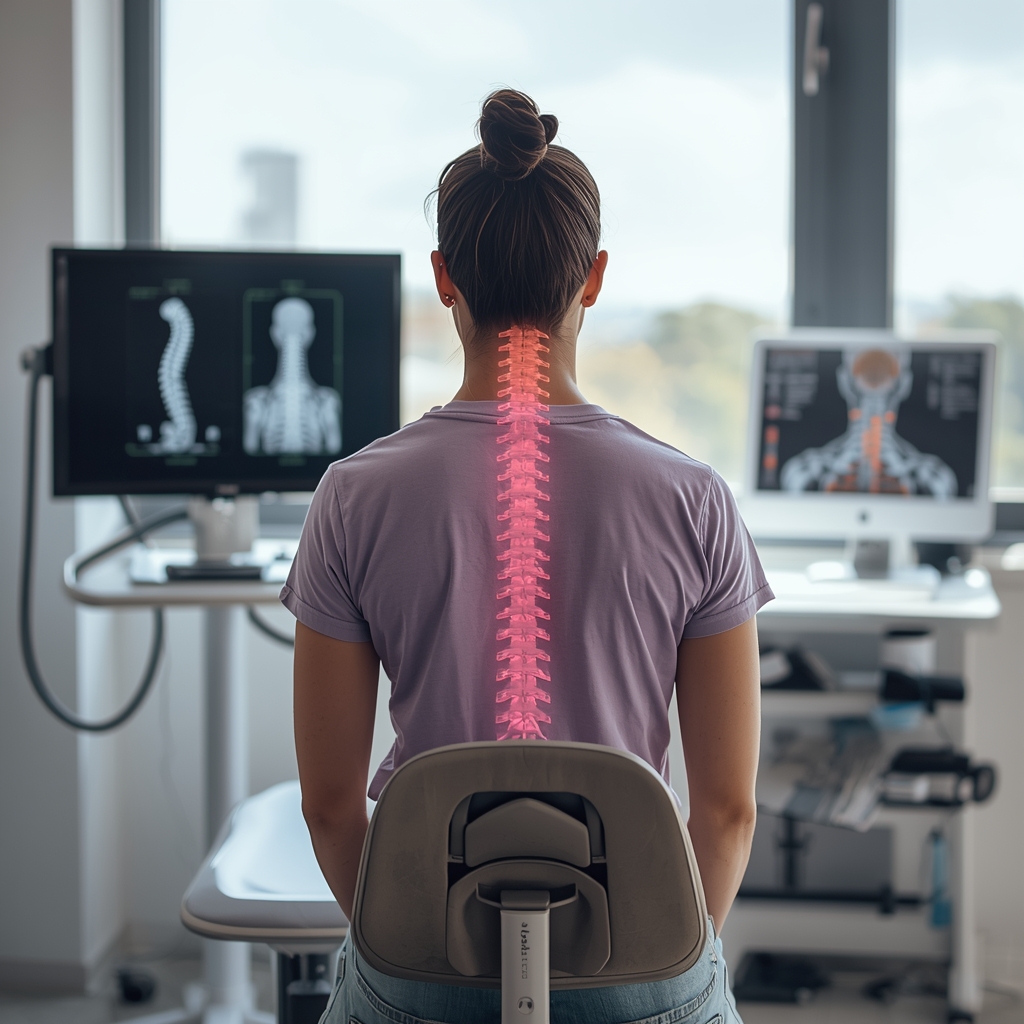
Evolution of Spinal Imaging in Chiropractic Care
Spinal imaging has undergone significant advancements, enhancing chiropractors' ability to diagnose and treat spinal misalignments with greater precision. Traditional X-rays, while foundational, have limitations in capturing dynamic movement and soft tissue interactions. Modern tools now integrate advanced technologies to provide more comprehensive insights. These innovations allow practitioners to visualize the spine in greater detail, supporting tailored treatment plans. As patient expectations for accuracy and safety grow, the adoption of cutting-edge imaging solutions becomes increasingly vital. This shift underscores a broader trend toward data-driven, patient-centered care in chiropractic practice.
3D Imaging and Dynamic Scanning Technologies
Three-dimensional (3D) imaging and dynamic scanning are revolutionizing spinal diagnostics. These tools capture real-time movement patterns, revealing how vertebrae interact during motion. Unlike static X-rays, 3D systems provide a multi-angle view, highlighting subtle misalignments and biomechanical irregularities. Some devices use motion capture sensors to track spinal flexibility, offering objective data to guide adjustments. This technology reduces guesswork, enabling chiropractors to address issues with greater confidence. Patients benefit from more accurate assessments, which can lead to more effective treatment strategies and faster recovery times.
Artificial Intelligence in Image Analysis
Artificial intelligence (AI) is enhancing the interpretation of spinal images by identifying patterns human practitioners might miss. AI algorithms analyze scans to detect anomalies, such as disc degeneration or nerve compression, with increasing accuracy. This technology can also predict potential issues based on historical data, allowing for proactive care. By automating repetitive tasks, AI frees chiropractors to focus on patient interaction and complex decision-making. However, these tools remain supplements to clinical expertise, ensuring that human judgment remains central to diagnosis and treatment planning.
Portable and Non-Invasive Imaging Devices
Portable imaging devices are making advanced diagnostics more accessible, particularly in rural or underserved areas. Tools like handheld ultrasound systems and compact MRI alternatives offer non-invasive, radiation-free options for spinal evaluation. These devices enable quicker assessments during initial consultations, reducing the need for referrals to specialized facilities. Their ease of use also supports routine monitoring of patient progress. As technology becomes more compact, chiropractors can integrate these tools into daily practice, improving efficiency without compromising diagnostic quality.
Real-Time Feedback Systems for Adjustments
Some imaging systems now provide real-time feedback during adjustments, allowing chiropractors to monitor the spine's response instantly. Sensors embedded in adjustment tables or wearable devices track movement and pressure points, ensuring precise application of force. This immediate data helps practitioners refine techniques mid-session, optimizing outcomes. Patients may also gain a clearer understanding of their condition through visual representations of their spinal alignment. Such systems promote a collaborative approach, where both provider and patient can engage with the correction process more actively.
Impact on Treatment Outcomes and Patient Safety
Advanced imaging tools contribute to better treatment outcomes by enabling more accurate diagnoses and targeted interventions. With clearer visual data, chiropractors can avoid unnecessary adjustments, reducing the risk of complications. Patients often experience faster relief and higher satisfaction when care is based on detailed, objective findings. These technologies also support documentation for insurance and legal purposes, adding a layer of transparency. As adoption grows, the focus remains on balancing innovation with ethical use, ensuring that technological advancements serve patient well-being without replacing clinical judgment.













