
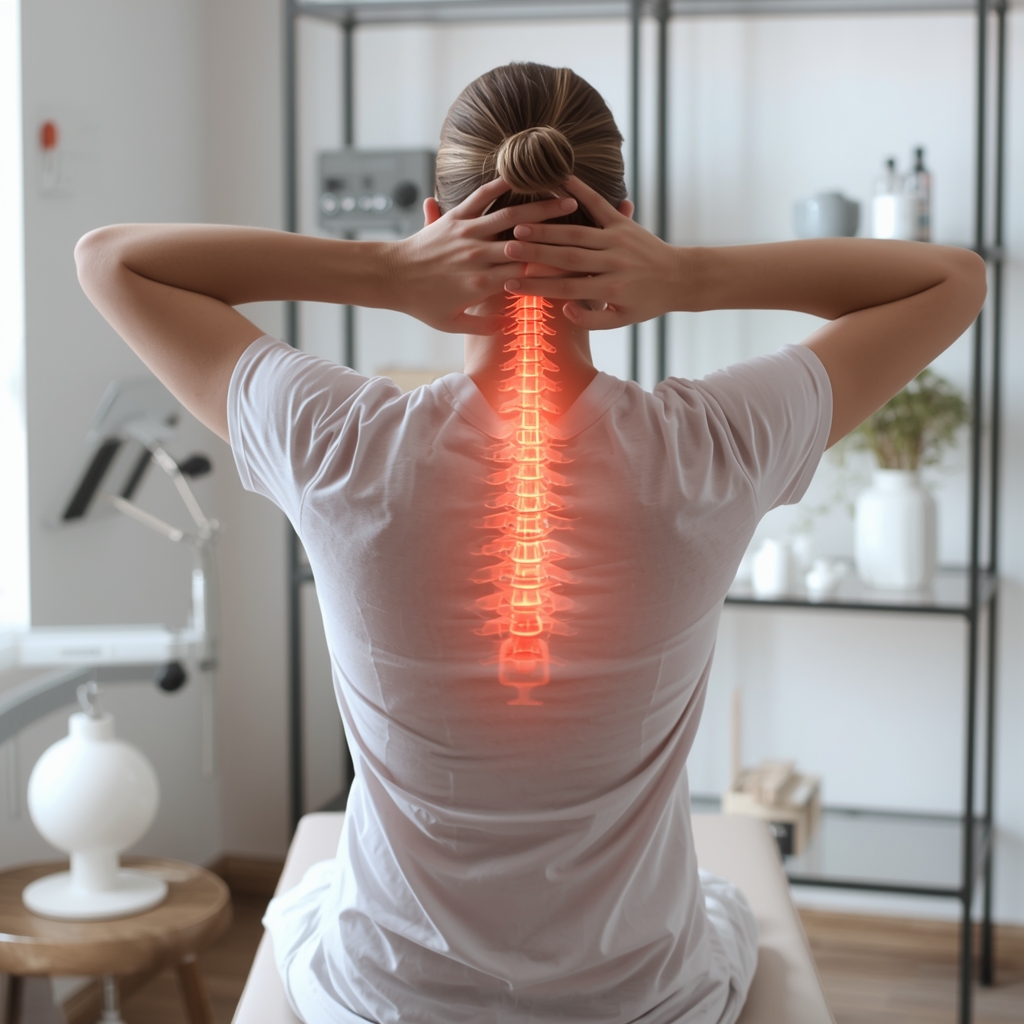
Understanding Spinal Manipulation and Its Neurological Impact
Spinal manipulation, a cornerstone of chiropractic care, involves precise adjustments to the spine to alleviate pain and improve function. While its mechanical effects on joints and muscles are well-documented, the neurological mechanisms behind its pain-relief properties remain a subject of growing scientific interest. The spine is deeply interconnected with the nervous system, and adjustments may influence pain perception through complex interactions between sensory, motor, and autonomic pathways. By addressing misalignments or restrictions, chiropractors aim to restore optimal nervous system function, which can reduce pain signals and promote healing. This article explores how these neurological processes vary depending on the patient’s specific condition, offering insights into the science behind this therapeutic approach.
Neurological Pathways Involved in Pain Modulation
Spinal manipulation may affect pain through several neurological mechanisms, including the gate control theory of pain, which posits that non-painful stimuli can inhibit pain signals from reaching the brain. Adjustments may stimulate mechanoreceptors in the joints and soft tissues, sending signals that modulate pain transmission via the spinal cord. Additionally, spinal manipulation can influence the release of neurotransmitters like endorphins and serotonin, which are associated with pain relief and mood regulation. Reflex pathways, such as the stretch reflex and the myotatic reflex, may also be altered, reducing muscle tension and improving mobility. These interactions highlight how chiropractic adjustments can create a cascade of neurological responses that contribute to pain reduction, though the exact pathways remain an active area of research.
Varied Mechanisms Across Patient Conditions
The neurological effects of spinal manipulation can differ based on the patient’s specific condition. For example, in acute injuries, adjustments may rapidly reduce inflammation and restore joint mobility, alleviating pain through immediate mechanical and neurochemical changes. In chronic conditions like degenerative disc disease, the focus may shift to long-term nervous system regulation, addressing persistent pain signals and compensatory movement patterns. Patients with neuropathic pain, such as sciatica, might experience relief through the modulation of peripheral nerve activity, while those with musculoskeletal imbalances may benefit from improved proprioception and motor control. These variations underscore the importance of individualized care, as the same adjustment can produce different neurological outcomes depending on the underlying pathology and the patient’s unique physiology.
The Role of the Central Nervous System in Pain Relief
Spinal manipulation may also influence the central nervous system (CNS) by altering how the brain processes pain. Research suggests that adjustments can affect cortical activity, potentially reducing the perception of pain through changes in brain connectivity and neuroplasticity. For instance, patients with chronic low back pain often exhibit altered CNS activity, and chiropractic care may help normalize these patterns. Additionally, the vagus nerve, a key component of the parasympathetic nervous system, may be stimulated during adjustments, promoting relaxation and reducing stress-related pain. By engaging both the somatosensory and autonomic systems, spinal manipulation offers a multifaceted approach to pain relief that extends beyond localized mechanical effects, addressing the complex interplay between the body and brain.
Individualized Responses and Patient-Specific Factors
Not all patients experience spinal manipulation in the same way, as individual factors such as age, genetics, and comorbid conditions can influence neurological responses. For example, older adults may have reduced sensory receptor sensitivity, altering how they perceive and respond to adjustments. Genetic variations in pain receptors or neurotransmitter systems might also affect the efficacy of chiropractic interventions. Furthermore, patients with conditions like fibromyalgia or multiple sclerosis may require tailored approaches due to heightened nervous system sensitivity. These factors highlight the need for a personalized assessment before treatment, ensuring that adjustments align with the patient’s unique neurological profile and health goals. Chiropractors often use diagnostic tools and patient history to navigate these complexities and optimize outcomes.
Conclusion: Integrating Science and Clinical Practice
The neurological mechanisms underlying spinal manipulation’s pain-relief effects are multifaceted and influenced by a range of patient-specific factors. While research continues to unravel these processes, current evidence suggests that adjustments can modulate pain through sensory, motor, and autonomic pathways. However, the variability in individual responses underscores the importance of a tailored approach, where chiropractors consider each patient’s condition, medical history, and physiological needs. As the field advances, integrating neurological insights with clinical practice will be key to maximizing the benefits of spinal manipulation. Patients seeking relief should consult a qualified chiropractor to explore how these mechanisms may apply to their unique situation and develop an effective care plan.















