
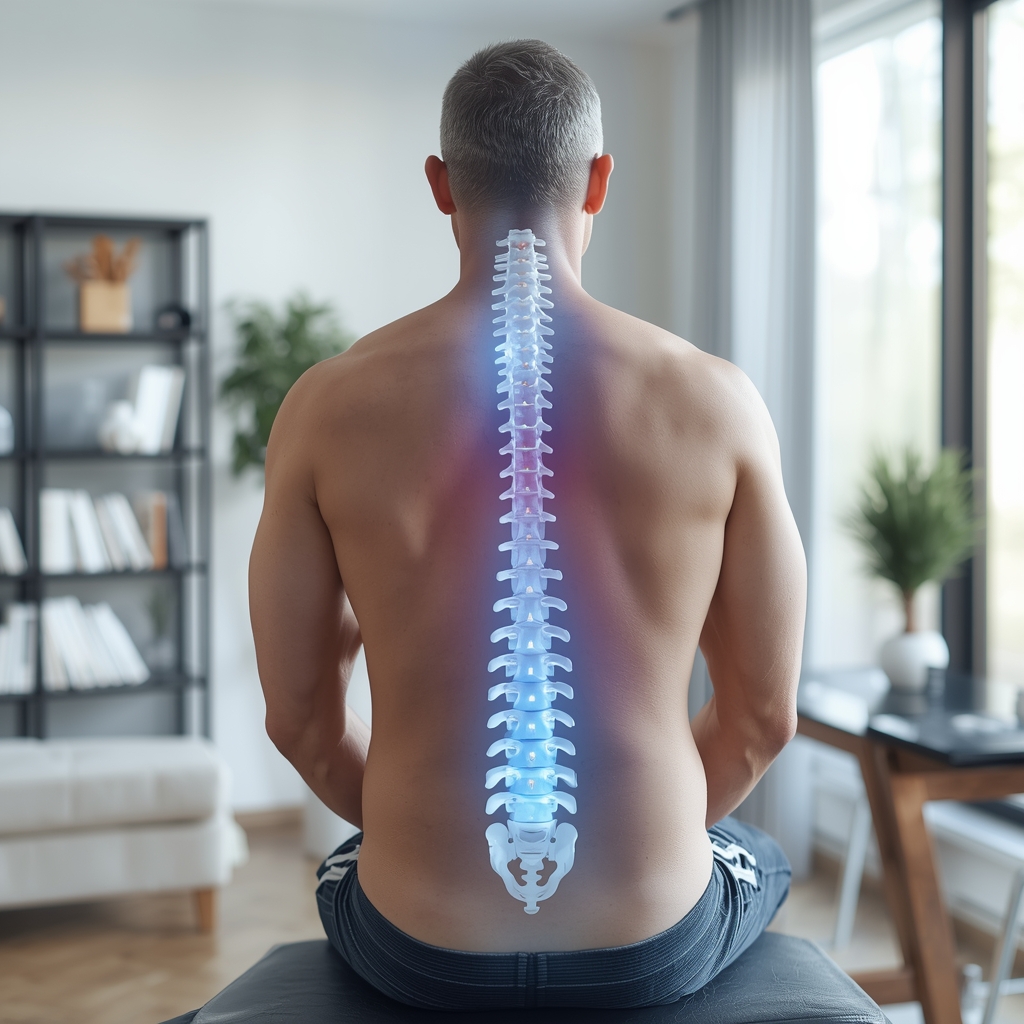
Understanding the Multisystem Impact of Degenerative Disc Disease
Degenerative disc disease (DDD) extends beyond localized pain, affecting multiple body systems through nerve compression, postural changes, and biomechanical stress. The spine’s role in housing and protecting the nervous system means disc degeneration can disrupt neural pathways, leading to issues like radiating pain, muscle weakness, or sensory changes. Additionally, altered spinal alignment may influence circulation, digestion, and immune function. Chiropractic care addresses these interconnected effects by focusing on spinal integrity, reducing nerve interference, and promoting holistic wellness. This approach recognizes the body’s systems as interdependent, aiming to restore balance rather than merely treating symptoms.
Nervous System and Neural Function
DDD can compress spinal nerves, leading to conditions like sciatica or radiculopathy. Chiropractic adjustments aim to realign the spine, reducing pressure on nerves and improving signal transmission. This may alleviate symptoms such as numbness, tingling, or muscle spasms. By restoring proper spinal mechanics, chiropractors support the nervous system’s ability to regulate bodily functions. Research suggests that spinal manipulation can enhance proprioception and reduce pain signals, contributing to better neural communication. However, these effects should be discussed with a qualified provider to ensure safety and appropriateness for individual cases.
Circulatory and Vascular Health
Spinal misalignments linked to DDD may impair blood flow by affecting nerve signals to blood vessels. Chiropractic care seeks to optimize circulation by correcting postural imbalances and reducing mechanical stress on the vascular system. Improved blood flow can enhance oxygen and nutrient delivery to tissues, supporting healing and reducing inflammation. While direct evidence on DDD’s impact on circulation is limited, chiropractors often address biomechanical factors that may indirectly influence vascular health. Patients should consult their provider to explore how these interventions might complement other treatments.
Immune System Regulation
The nervous system and immune system are closely linked, with spinal health playing a role in immune function. Chiropractic adjustments may help regulate the autonomic nervous system, which influences immune responses. By reducing nerve interference, care could support the body’s ability to fight infections and manage inflammation. Some studies suggest spinal manipulation may affect cytokine levels, though more research is needed. Patients considering this approach should discuss potential benefits and limitations with their chiropractor to determine if it aligns with their overall health goals.
Cognitive Health and Mental Well-Being
Chronic pain and postural changes from DDD can impact mental health, contributing to stress, anxiety, or sleep disturbances. Chiropractic care may indirectly support cognitive health by improving spinal alignment, which can enhance nervous system function and reduce stress hormones. Better posture and reduced pain may also improve sleep quality and emotional resilience. While not a substitute for mental health treatment, some patients report improved mood and focus with regular adjustments. Always consult a healthcare provider to address complex mental health concerns.
Integrative Approaches for Whole-Body Wellness
Chiropractic care for DDD often involves a multidisciplinary strategy, combining adjustments with lifestyle recommendations. This may include exercises to strengthen core muscles, ergonomic advice to reduce spinal strain, or referrals to other specialists. By addressing the spine’s role in overall health, chiropractors aim to enhance mobility, reduce systemic stress, and promote long-term wellness. Patients are encouraged to engage in open dialogue with their care team to tailor interventions to their unique needs. Such an integrative approach underscores the importance of treating the whole person, not just isolated symptoms.














