
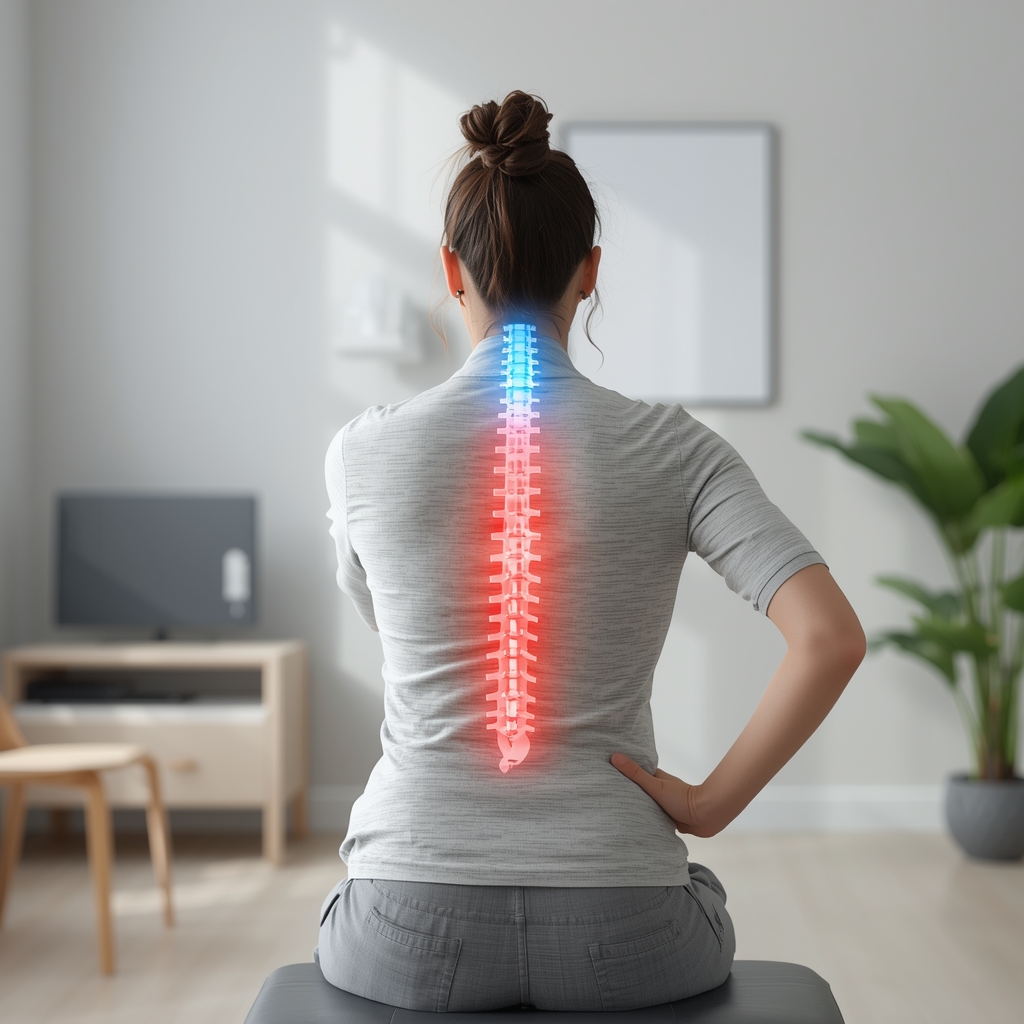
Understanding Spinal Misalignment and Its Potential Impact
Spinal misalignment, often referred to as subluxation, occurs when vertebrae shift out of their normal position. This can interfere with the nervous system, which controls and coordinates all bodily functions. While traditionally linked to physical symptoms like pain or restricted movement, emerging research suggests a possible connection between spinal health and mental well-being. The nervous system’s role in regulating stress responses and emotional balance raises questions about how spinal alignment might influence conditions like anxiety. However, this relationship remains complex and not fully understood, requiring further investigation.
The Neurophysiological Connection
The spine houses and protects the spinal cord, a critical component of the central nervous system. Nerves exiting the spine connect to organs, muscles, and tissues, transmitting signals that govern everything from movement to emotional regulation. Misalignments may disrupt these signals, potentially affecting the body’s ability to manage stress. For example, the autonomic nervous system—responsible for the “fight or flight” response—could be impacted. While this does not imply spinal issues directly cause anxiety, it highlights a potential pathway through which physical and mental health intersect, warranting cautious exploration.
Stress, Anxiety, and Spinal Health
Chronic stress and anxiety can manifest physically, leading to muscle tension, poor posture, and even spinal misalignments. Conversely, spinal issues may contribute to heightened stress responses by altering nerve function. This bidirectional relationship suggests that addressing one aspect could influence the other. For instance, relaxation techniques or physical therapy might alleviate both anxiety and spinal strain. However, the exact mechanisms remain unclear, and individual experiences vary. Healthcare professionals often emphasize a holistic approach, considering both physical and psychological factors when evaluating such connections.
Chiropractic Care and Mental Well-Being
Chiropractic adjustments aim to restore proper spinal alignment, potentially improving nervous system function. Some patients report reduced stress or anxiety after treatment, though these outcomes are not universally consistent. While there is no definitive evidence linking chiropractic care directly to anxiety relief, proponents argue that alleviating physical stress on the body may indirectly support mental health. It is important to note that chiropractic care is not a substitute for mental health treatment. Individuals experiencing anxiety should consult qualified professionals to explore comprehensive strategies tailored to their needs.
Evidence and Ongoing Research
Research on the relationship between spinal health and anxiety is limited, with most studies focusing on physical symptoms rather than mental health. Some preliminary findings suggest that spinal manipulation may influence neurotransmitter activity or reduce inflammation, which could theoretically impact mood. However, these studies are often small-scale or inconclusive. The scientific community emphasizes the need for more rigorous, large-scale research to clarify these connections. Until then, the role of spinal alignment in anxiety disorders remains an area of interest rather than a proven treatment avenue.
Consulting Professionals for Personalized Guidance
If you suspect spinal misalignment is contributing to anxiety or other symptoms, it is essential to seek guidance from licensed healthcare providers. Chiropractors can assess spinal health and recommend adjustments, while mental health professionals can address anxiety through therapy or other interventions. A collaborative approach may offer the most effective support. Always discuss any new treatments or therapies with your doctor to ensure they align with your overall health goals. Remember, individual responses vary, and what works for one person may not apply to another.













