
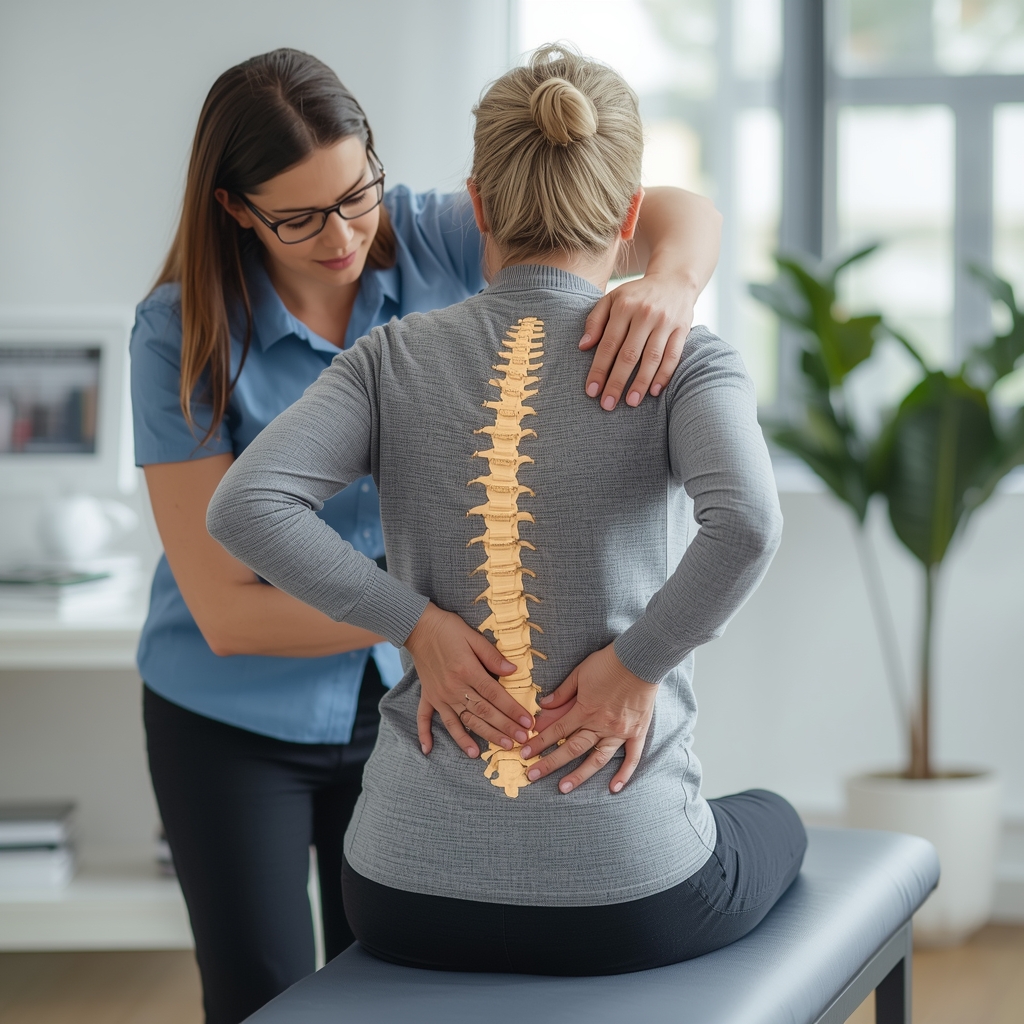
Understanding the Unique Needs of Senior Patients with Osteoporosis
As individuals age, bone density naturally declines, making osteoporosis a common concern among seniors. This condition weakens bones, increasing the risk of fractures even from minor falls or everyday movements. Chiropractic adjustments for seniors with osteoporosis require special attention to ensure safety and effectiveness. The goal is to maintain spinal alignment and mobility while minimizing stress on fragile bones. Chiropractors must prioritize gentle, low-force techniques that avoid excessive pressure or sudden movements. A thorough understanding of osteoporosis and its implications is essential for tailoring care plans that support long-term skeletal health. Open communication with patients about their medical history and concerns is also critical to building trust and ensuring informed decisions.
Comprehensive Assessment Before Adjustments
Before any chiropractic intervention, a detailed evaluation is crucial for seniors with osteoporosis. This includes reviewing medical records, imaging results, and current medications that may affect bone health. A physical examination helps identify areas of vulnerability, such as weakened vertebrae or joints. Chiropractors should collaborate with primary care physicians to understand the patient’s bone density levels and fracture risks. This information guides the selection of appropriate adjustment methods and helps set realistic expectations. Patients should be encouraged to share any pain symptoms, mobility limitations, or previous injuries. A personalized approach ensures that adjustments are both safe and beneficial, reducing the likelihood of complications while promoting overall well-being.
Choosing Gentle, Low-Force Adjustment Techniques
Traditional high-velocity, low-amplitude (HVLA) adjustments may not be suitable for seniors with osteoporosis due to the risk of fracturing weakened bones. Instead, chiropractors often opt for gentler methods such as soft tissue therapy, mobilization, or instrument-assisted techniques. These approaches apply minimal force while still addressing misalignments and improving joint function. For example, the Activator Method uses a handheld device to deliver precise, controlled impulses, reducing the need for manual thrusting. Patients should be informed about the benefits and limitations of different techniques to make informed choices. By prioritizing safety and comfort, chiropractors can help seniors maintain spinal health without compromising bone integrity.
Collaborating With Other Healthcare Providers
Effective care for seniors with osteoporosis often involves a multidisciplinary approach. Chiropractors should maintain open lines of communication with primary care physicians, orthopedic specialists, and physical therapists to ensure coordinated treatment. This collaboration helps avoid conflicting interventions and allows for a holistic view of the patient’s health. For instance, a physician may recommend calcium or vitamin D supplements, while a physical therapist can design exercises to improve balance and strength. Chiropractors can contribute by addressing musculoskeletal imbalances that may exacerbate fall risks. Regular updates and shared care plans ensure that all providers are aligned in supporting the patient’s recovery and long-term bone health.
Empowering Patients Through Education and Lifestyle Guidance
Education plays a vital role in helping seniors with osteoporosis manage their condition effectively. Chiropractors can provide guidance on fall prevention strategies, such as removing home hazards and using assistive devices. They may also recommend safe exercises to enhance balance, flexibility, and muscle strength, reducing the risk of fractures. Patients should be encouraged to maintain a diet rich in calcium and vitamin D, as these nutrients support bone health. Additionally, discussing the importance of regular check-ups and adhering to prescribed medications can empower seniors to take an active role in their care. By fostering a proactive approach, chiropractors help patients build confidence in managing their health and minimizing complications.
Monitoring Progress and Adjusting Care Plans
Regular follow-ups are essential to evaluate the effectiveness of chiropractic care for seniors with osteoporosis. Chiropractors should monitor changes in pain levels, mobility, and overall function to determine if adjustments need to be modified. This ongoing assessment ensures that the care plan remains aligned with the patient’s evolving needs. Patients should be encouraged to report any new symptoms or concerns promptly. By maintaining a flexible approach, chiropractors can adapt techniques and strategies to optimize outcomes. This commitment to continuous care reinforces the importance of a partnership between the patient and provider, fostering trust and long-term success in managing osteoporosis-related challenges.














