
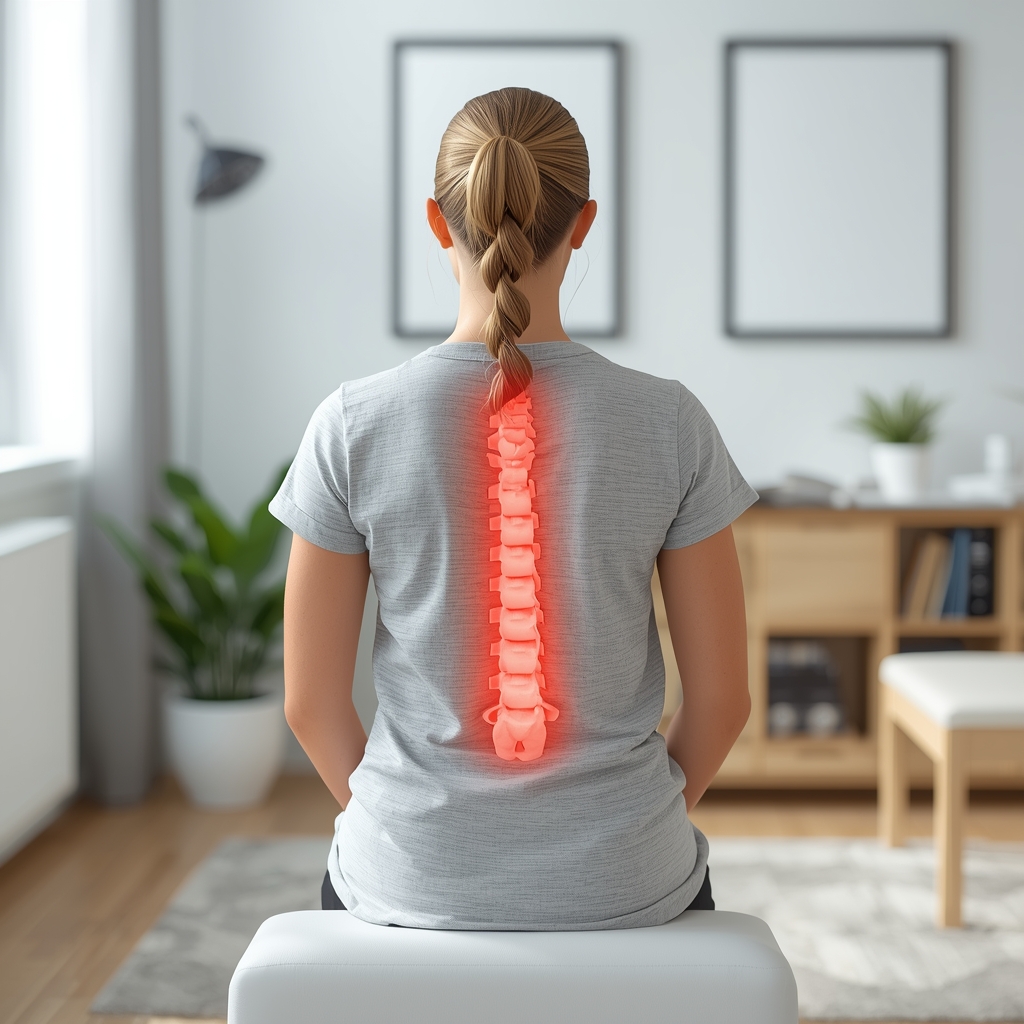
Understanding Mild Scoliosis in Teenagers
Mild scoliosis refers to a sideways curvature of the spine that typically measures between 10 and 25 degrees. While it often develops during adolescence, many teens with this condition experience no significant symptoms. However, untreated mild scoliosis can progress, leading to discomfort, postural imbalances, or long-term spinal complications. Non-surgical strategies, such as chiropractic care and postural training, are frequently explored to manage the condition and support spinal health. These approaches focus on maintaining mobility, reducing strain on the spine, and promoting overall musculoskeletal balance. It’s important to note that while mild scoliosis may not require immediate intervention, proactive management can help prevent worsening curvature over time.
How Chiropractic Adjustments May Help
Chiropractic adjustments involve manual techniques to realign the spine and improve joint function. For teenagers with mild scoliosis, these adjustments aim to reduce pressure on nerves, enhance spinal mobility, and support the body’s natural ability to maintain balance. While adjustments alone may not correct the curvature, they can alleviate associated discomfort and improve posture. Chiropractors often tailor their approach to the individual’s needs, incorporating gentle manipulations and soft tissue work to address muscle tension and spinal misalignments. This non-invasive method is frequently used alongside other therapies to create a comprehensive care plan. However, results vary, and it’s crucial to consult a qualified chiropractor to determine the most appropriate strategies for each case.
The Role of Postural Training
Postural training focuses on strengthening the muscles that support the spine and improving alignment through targeted exercises. For teens with mild scoliosis, this can help reduce asymmetry and prevent further curvature progression. Techniques may include core-strengthening routines, stretching exercises, and awareness practices to correct slouching or uneven weight distribution. A chiropractor or physical therapist can design a personalized program that addresses specific postural imbalances. Consistent practice can enhance body awareness, promote better movement patterns, and alleviate strain on the spine. While postural training is not a cure, it can complement chiropractic care by reinforcing spinal stability and reducing the risk of complications associated with poor posture.
Supporting Nervous System Function
The spine plays a critical role in protecting the nervous system, which controls movement, sensation, and internal organ function. Misalignments, or subluxations, can interfere with nerve communication, potentially contributing to pain or dysfunction. Chiropractic adjustments aim to restore proper spinal alignment, which may enhance nervous system efficiency. For teenagers with mild scoliosis, this can help the body better manage stress, maintain balance, and respond to physical demands. While the exact mechanisms are still studied, many patients report improved comfort and mobility after regular chiropractic care. This holistic approach emphasizes the body’s innate ability to heal, making it a popular choice for those seeking non-invasive support for spinal health.
Complementary Approaches to Spinal Care
Chiropractic care for mild scoliosis is often part of a broader strategy that includes other therapies. Physical therapy, for example, can strengthen muscles around the spine and improve flexibility, while exercises like yoga or Pilates may enhance posture and core stability. Some practitioners also recommend bracing for specific cases, though this is typically reserved for more severe curves. It’s essential to work with a qualified healthcare provider to determine the best combination of treatments. By integrating multiple approaches, teens can address both structural and functional aspects of their condition. This collaborative care model prioritizes safety, effectiveness, and long-term wellness, ensuring that each individual receives support tailored to their unique needs.
When to Seek Professional Guidance
If a teenager is diagnosed with mild scoliosis, consulting a chiropractor or orthopedic specialist is a crucial first step. These professionals can assess the curvature’s severity, monitor its progression, and recommend appropriate interventions. Chiropractors may develop a care plan that includes adjustments, postural exercises, and lifestyle recommendations. However, it’s important to remember that scoliosis management varies by case, and what works for one person may not suit another. Regular check-ups allow for ongoing evaluation and adjustments to the treatment approach. Teens and their families should also stay informed about the condition and maintain open communication with their healthcare team. With the right support, many individuals with mild scoliosis can lead active, healthy lives without requiring surgical intervention.













