
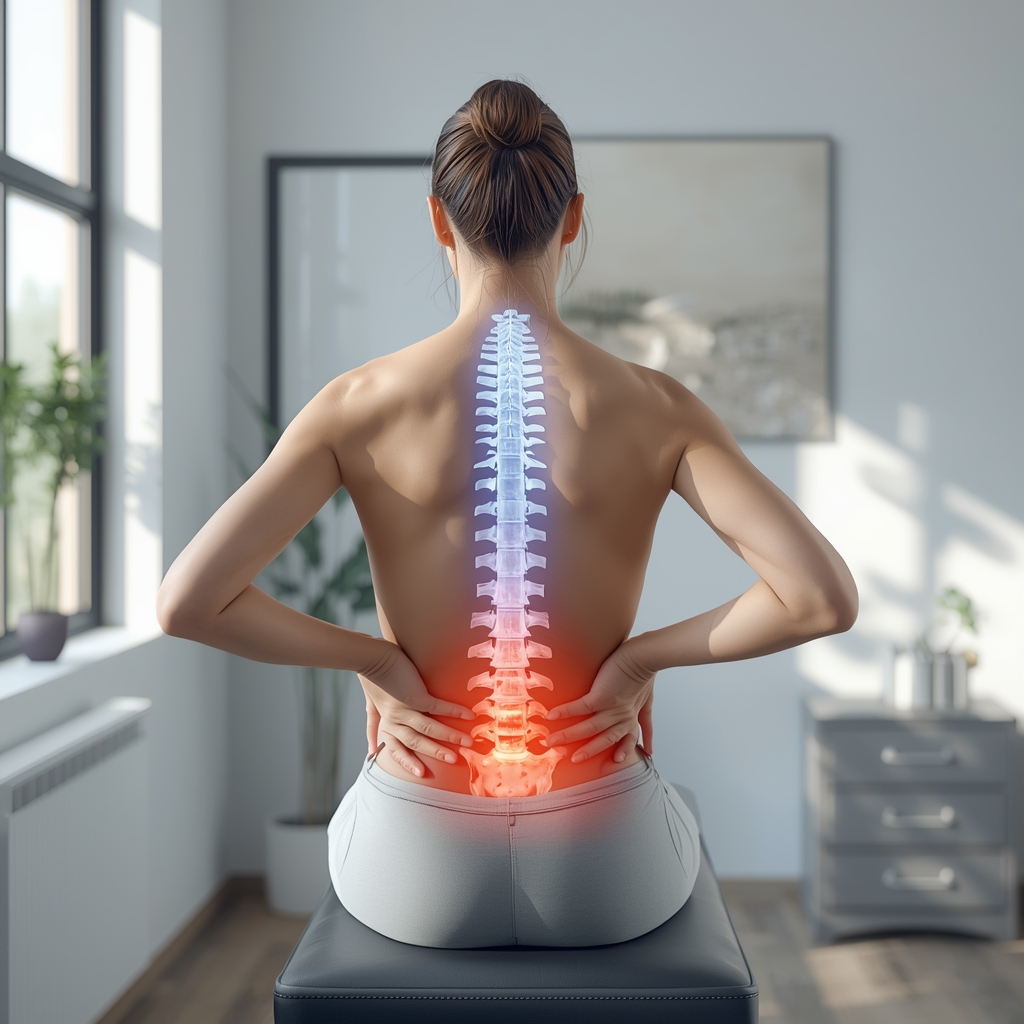
Understanding Multimodal Chiropractic Approaches for Sciatica
Sciatica caused by a lumbar herniated disc often requires a multifaceted strategy to alleviate pain and restore function. Multimodal chiropractic care combines various techniques to address both the structural and neurological aspects of the condition. This approach may include spinal adjustments, soft tissue therapies, and rehabilitative exercises. By targeting the root causes of nerve compression and inflammation, chiropractors aim to reduce pain and improve mobility. Patients benefit from personalized treatment plans that evolve as their condition improves. It is essential to consult a qualified chiropractor to determine the most suitable combination of therapies for individual needs.
Spinal Adjustments and Realignment
Spinal adjustments are a cornerstone of chiropractic care for herniated discs. These manual techniques aim to correct misalignments (subluxations) that may exacerbate nerve compression. By restoring proper spinal mechanics, adjustments can reduce pressure on the sciatic nerve and promote natural healing. High-velocity, low-amplitude thrusts are commonly used to realign vertebrae, while gentle mobilization techniques may be preferred for sensitive cases. The goal is to enhance joint function and reduce inflammation. While adjustments alone may not resolve the herniation, they often complement other therapies to optimize outcomes. Patients typically experience gradual relief as the spine stabilizes and nerve irritation decreases.
Decompression Therapy for Nerve Relief
Spinal decompression therapy is a non-surgical option that gently stretches the spine to relieve pressure on herniated discs and compressed nerves. This technique uses specialized tables to create negative pressure, which may encourage the disc to rehydrate and reduce bulging. Decompression can alleviate sciatic pain by decreasing nerve irritation and improving blood flow to the affected area. It is often used alongside adjustments and soft tissue work to maximize results. Sessions are typically painless and require multiple visits for sustained benefits. While not a standalone solution, decompression therapy is a valuable tool in managing chronic sciatica and supporting long-term spinal health.
Soft Tissue Therapies and Myofascial Release
Soft tissue therapies target the muscles and connective tissues surrounding the spine, which can become tense or inflamed in response to a herniated disc. Techniques like Active Release Technique (ART) or myofascial release help break down adhesions and reduce muscle spasms that contribute to sciatic pain. These methods also improve circulation and flexibility, promoting faster recovery. When combined with spinal adjustments, soft tissue work can enhance overall effectiveness by addressing both structural and muscular imbalances. Patients often report reduced pain and improved range of motion after consistent treatment. A chiropractor may recommend these therapies as part of a broader rehabilitation plan.
Rehabilitative Exercises and Posture Correction
Incorporating targeted exercises is critical for long-term sciatica management. Strengthening the core and stabilizing muscles supports the spine, reducing the risk of further disc herniation. Chiropractors may prescribe stretches and low-impact movements to improve flexibility and posture. Education on proper body mechanics during daily activities also plays a role in preventing recurrence. Patients are encouraged to maintain these practices at home for sustained benefits. When integrated with other chiropractic techniques, rehabilitative exercises help restore function and minimize reliance on passive treatments. Consistency is key to achieving lasting relief and preventing future episodes.
Integrating Adjunctive Therapies
Chiropractors often combine traditional methods with adjunctive therapies to enhance outcomes. Cold laser therapy, for example, may reduce inflammation and promote tissue healing, while electrical stimulation can ease muscle tension. Dry needling or acupuncture might also be used to address nerve-related discomfort. These modalities are tailored to individual needs and used alongside adjustments and rehabilitation. The goal is to create a comprehensive plan that addresses pain, mobility, and overall wellness. Patients should discuss potential options with their chiropractor to determine the most effective combination for their specific condition.













