
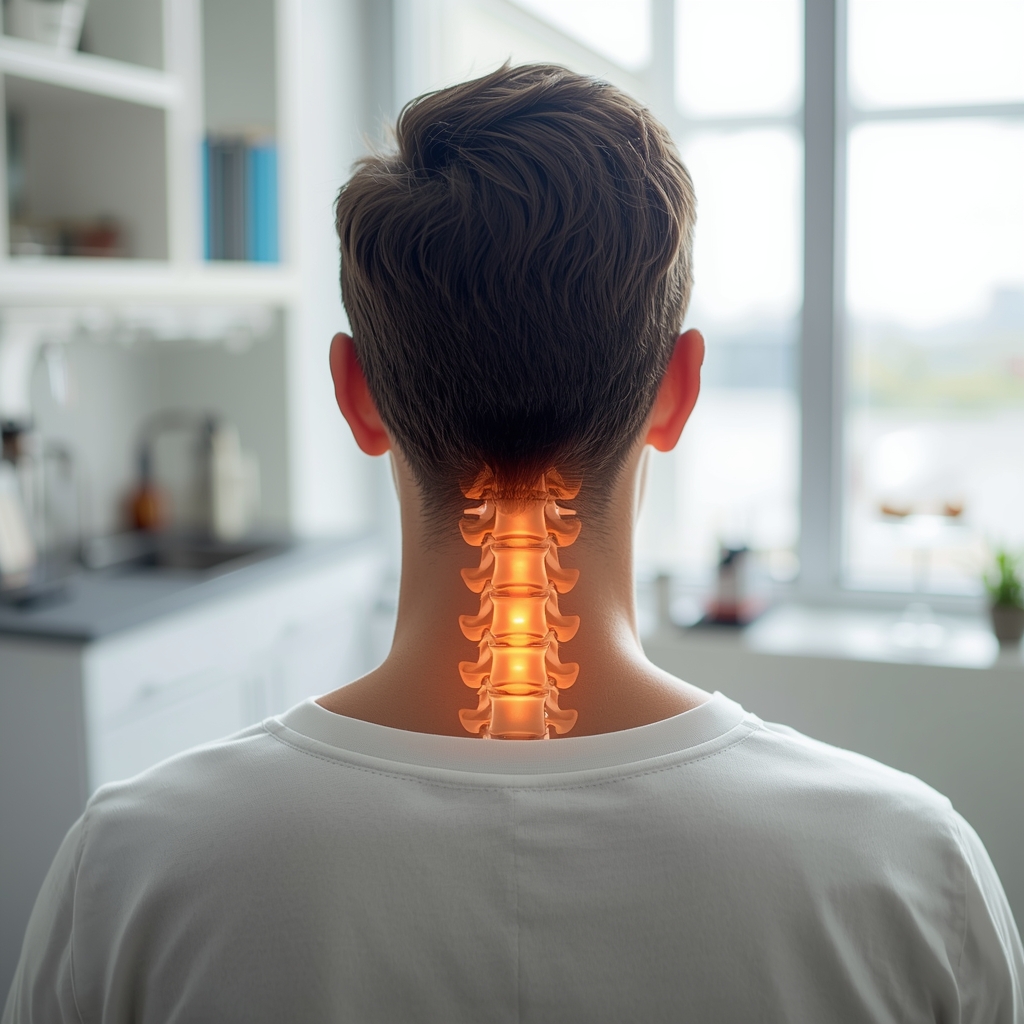
Overview of Diversified Adjustment Technique
The diversified adjustment is a manual chiropractic technique designed to restore proper alignment and function to the spine. For cervical spine misalignment, the chiropractor applies a precise, controlled force to specific vertebrae using their hands. This method aims to correct subluxations—partial dislocations that may interfere with nerve function and musculoskeletal health. The technique involves a quick, short-lever thrust to the affected joint, often resulting in an audible pop, which is typically associated with gas release from the joint capsule. While the exact mechanisms remain under study, the goal is to improve range of motion, reduce pain, and enhance overall spinal function. This approach is widely used for conditions like neck pain, headaches, and posture-related issues, emphasizing hands-on manipulation to address biomechanical imbalances.
Biomechanics of Cervical Spine Misalignment
The cervical spine consists of seven vertebrae stacked to support the head while allowing flexibility. Misalignment, or subluxation, can occur due to trauma, poor posture, or repetitive strain, disrupting the spine’s natural curvature and joint mechanics. This can lead to restricted movement, muscle tension, and nerve irritation. Biomechanically, misaligned vertebrae may alter the load distribution across joints, increasing wear on cartilage and ligaments. It can also compress nearby nerves, potentially affecting sensory and motor functions. The spine’s complex structure—featuring facet joints, intervertebral discs, and surrounding musculature—makes it sensitive to even minor misalignments. Understanding these dynamics helps explain why adjustments target specific areas to restore balance, reduce pain, and prevent further degeneration through improved biomechanics.
Application of the Adjustment Technique
During a diversified cervical adjustment, the chiropractor identifies the misaligned vertebrae through physical examination and palpation. The patient is positioned to allow optimal access, often lying on their back or side. The chiropractor then applies a quick, controlled thrust to the targeted joint, using their hands to guide the movement. This thrust is tailored to the patient’s anatomy and condition, ensuring safety and effectiveness. The force is delivered at a specific angle and speed to maximize joint mobilization while minimizing strain on surrounding tissues. The technique relies on the chiropractor’s expertise to avoid excessive force, focusing instead on precision. By restoring proper joint mechanics, the adjustment aims to alleviate pain, improve mobility, and reduce nerve interference. This process is typically repeated in subsequent sessions to reinforce alignment and long-term spinal health.
Effects on Joint Mobility and Alignment
The diversified adjustment directly impacts joint mobility by reducing restrictions in the cervical spine’s facet joints and intervertebral discs. When a vertebra is misaligned, it can limit the joint’s ability to move freely, leading to stiffness and discomfort. The adjustment helps reset the joint’s position, restoring its natural range of motion. This improved mobility allows for better distribution of mechanical stress across the spine, reducing wear on cartilage and ligaments. Additionally, the technique may stimulate proprioceptors—sensory receptors in joints and muscles—that provide feedback to the nervous system. This feedback loop can enhance neuromuscular control, further supporting spinal stability. Over time, consistent adjustments may help maintain proper alignment, preventing recurring misalignments and promoting a healthier biomechanical environment for the cervical spine.
Impact on Surrounding Soft Tissues
Beyond joint mechanics, the diversified adjustment influences surrounding soft tissues, including muscles, ligaments, and nerves. Misalignment often causes muscle tension as the body compensates for instability, leading to pain and restricted movement. The adjustment can relieve this tension by restoring proper joint positioning, allowing muscles to relax and function more efficiently. Ligaments, which stabilize the spine, may also benefit from the correction, as balanced alignment reduces abnormal strain. Nerves exiting the cervical spine can be affected by misalignment, potentially causing radiating pain or numbness. By addressing these issues, the adjustment may alleviate nerve compression and improve signal transmission. This holistic effect on soft tissues contributes to overall spinal health, enhancing comfort and functional movement for the patient.
Role in Nervous System Function
The cervical spine plays a critical role in protecting the spinal cord and facilitating nerve communication between the brain and the body. Misalignment can disrupt this communication, potentially affecting organ function, muscle control, and sensory perception. While the exact mechanisms are still debated, some research suggests that adjustments may influence the nervous system by reducing mechanical stress on nerves and improving proprioceptive feedback. This could help regulate autonomic functions, such as heart rate and digestion, though these claims remain under investigation. The diversified technique’s focus on restoring biomechanical integrity may indirectly support nervous system health by creating a more stable spinal environment. However, individual responses vary, and patients should consult a qualified chiropractor to determine if this approach aligns with their specific needs.













