
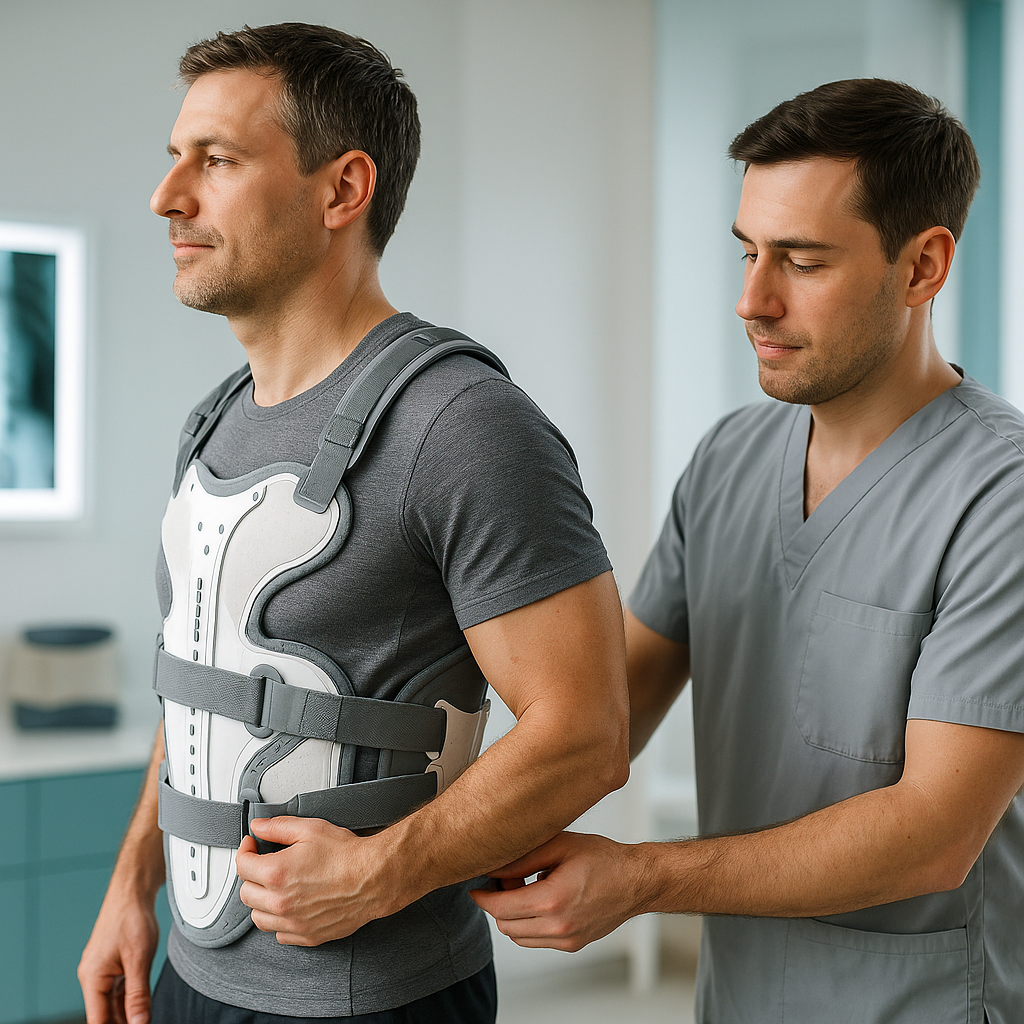
Understanding Spinal Orthotic Devices: A Comprehensive Guide
When it comes to managing spinal conditions, injuries, or postural abnormalities, a spinal orthotic device plays a critical role in providing support, stability, and correction. Whether you are recovering from surgery, managing a chronic spinal condition, or seeking preventive care, understanding what these devices are and how they function can help you make informed decisions about your spinal health.
What Is a Spinal Orthotic Device?
A spinal orthotic device, commonly referred to as a spine support brace, is a medically designed external appliance that is worn around the torso or specific sections of the spine. Its primary purpose is to support, align, correct, or immobilize the vertebral column, depending on the nature of the condition being treated.
These devices are engineered to redistribute mechanical forces along the spine, reduce pain, prevent further injury, and in many cases, encourage the body to adopt a healthier postural alignment over time. They are widely used across orthopedic, chiropractic, and rehabilitative medical fields.
How Does a Spinal Orthotic Device Work?
Spinal orthotics work through a combination of mechanical principles, including three-point pressure systems, dynamic correction forces, and rigid or semi-rigid structural support. Here is a brief breakdown of the core mechanisms:
- Immobilization: Certain devices restrict movement in the spine to allow injured tissues, discs, or vertebrae to heal properly following trauma or surgery.
- Deformity correction: Devices used as spinal correction devices apply gradual, controlled pressure to guide the spine toward a more anatomically correct position, particularly in conditions such as scoliosis.
- Load redistribution: By offloading pressure from specific vertebral segments, spinal orthotics reduce pain and prevent the progression of degenerative conditions.
- Postural support: Many devices reinforce proper posture by limiting movements that could worsen spinal alignment or strain surrounding musculature.
Types of Spinal Orthotic Devices
Spinal orthotics are categorized based on the region of the spine they support. The most common classifications include:
1. Cervical Orthoses (CO)
These devices support the cervical spine, or the neck region. They range from soft foam collars to rigid cervical braces and are used to treat whiplash injuries, cervical fractures, and post-surgical recovery.
2. Thoracic Orthoses (TO)
Designed to address conditions affecting the mid-back or thoracic spine, these braces are often prescribed for kyphosis, vertebral fractures, and thoracic scoliosis.
3. Lumbosacral Orthoses (LSO)
These are among the most commonly used spine support braces. They cover the lumbar and sacral regions and are frequently recommended for lower back pain, herniated discs, lumbar instability, and post-surgical recovery.
4. Thoracolumbosacral Orthoses (TLSO)
Extending from the thoracic spine to the sacral region, these comprehensive braces are widely used as spinal correction devices, particularly in the treatment of adolescent idiopathic scoliosis. The Boston Brace and Milwaukee Brace are well-known examples within this category.
5. Cervicothoracolumbosacral Orthoses (CTLSO)
These full-spine orthotics provide support from the cervical spine all the way down to the sacrum and are typically reserved for severe spinal deformities or complex multi-level injuries.
Common Conditions Treated With Spinal Orthotics
A wide range of spinal conditions can benefit from the use of orthotic devices. Some of the most frequently treated conditions include:
- Scoliosis: Lateral curvature of the spine often managed with a TLSO brace to halt progression and promote correction in growing individuals.
- Kyphosis: An excessive forward curvature of the upper back, commonly addressed with a thoracic or thoracolumbosacral orthotic.
- Herniated or bulging discs: Lumbar orthotics reduce spinal loading and alleviate nerve compression symptoms.
- Vertebral fractures: Rigid bracing immobilizes the injured segment and facilitates bone healing.
- Spinal stenosis: Bracing may help manage symptoms by reducing mechanical stress on narrowed spinal canals.
- Post-surgical rehabilitation: Following procedures such as spinal fusion, orthotics protect the surgical site and support the healing process.
- Chronic lower back pain: Lumbosacral orthotics provide symptomatic relief and functional support during daily activities.
The Role of Chiropractic Orthotics in Spinal Health
Chiropractic orthotics represent a specialized branch of orthotic care that aligns closely with the chiropractic philosophy of restoring proper spinal alignment and nervous system function. Chiropractors often integrate spinal braces and corrective devices into their treatment protocols to complement spinal adjustments and rehabilitative exercises.
In a chiropractic context, spinal orthotics are not merely symptom management tools; they are viewed as part of a broader corrective strategy. By maintaining spinal alignment between chiropractic adjustments, these devices help reinforce structural corrections and contribute to longer-lasting outcomes.














