
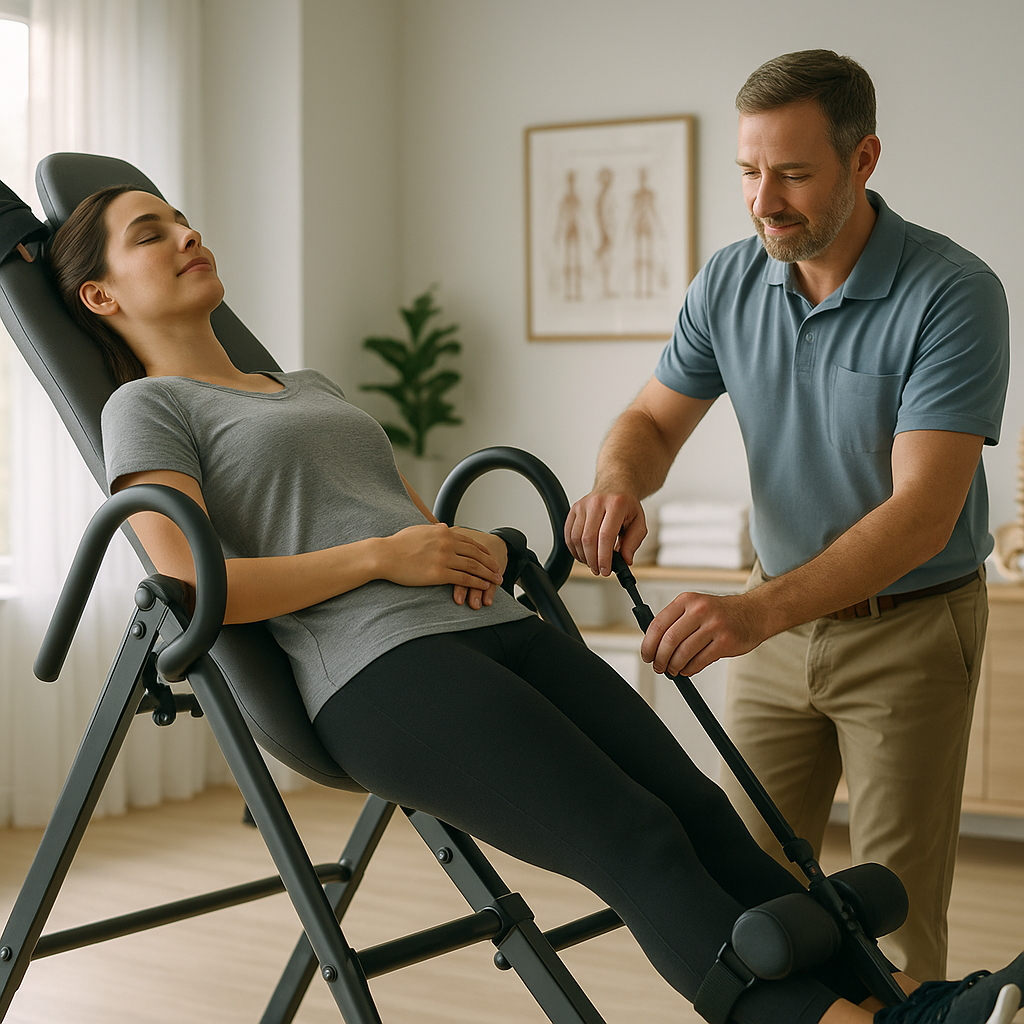
Understanding Inversion Tables in Chiropractic Care
If you have ever visited a chiropractic clinic or researched solutions for back pain, you may have come across a device known as an inversion table. This specialized piece of equipment has gained significant attention in the world of spinal health, and for good reason. Inversion table chiropractic therapy offers a unique, non-invasive approach to managing a wide range of musculoskeletal conditions. But what exactly is an inversion table used for, and how does it fit into modern chiropractic practice?
This article explores the purpose, benefits, applications, and considerations associated with inversion therapy, providing you with a thorough understanding of how this technique may support your spinal health and overall well-being.
What Is an Inversion Table?
An inversion table is a padded, adjustable platform that secures a person at the ankles and allows them to tilt backward — sometimes to a fully inverted, upside-down position. The gravity table spine concept operates on a straightforward principle: by reversing the effects of gravity on the body, the spine and surrounding structures can experience decompression, relief, and realignment.
The device typically features:
- Adjustable ankle clamps or footrests for secure positioning
- A padded backrest for comfort during inversion
- A rotating frame that allows for various degrees of tilt, from a slight incline to full inversion
- Safety handles for controlled movement
In chiropractic settings, inversion tables are used under professional supervision as part of a broader treatment plan designed to address spinal compression, disc-related issues, and chronic pain conditions.
The Science Behind Inversion Therapy
To understand why chiropractors incorporate inversion therapy into their practice, it is important to first appreciate the mechanical forces that act on the spine throughout daily life. Gravity is a constant compressive force. Every moment you spend standing, sitting, or walking places downward pressure on the intervertebral discs — the soft, cushioning structures between the vertebrae of your spine.
Over time, this compression can lead to:
- Disc degeneration and reduced disc height
- Nerve root impingement and radiating pain
- Muscle tension and spasms along the spine
- Reduced range of motion and flexibility
Inversion therapy counteracts these effects by temporarily reversing gravitational pull. When a patient is positioned on a gravity table with the spine inverted, the vertebrae are gently separated, creating negative pressure within the discs. This process — known as spinal decompression — allows the discs to rehydrate, reduces nerve compression, and encourages the spine to return to a more natural alignment.
Research has shown that even a partial inversion of 60 degrees can significantly reduce intradiscal pressure, making this a clinically relevant tool for managing back pain and related conditions.
Primary Uses of Inversion Tables in Chiropractic Practice
1. Spinal Decompression Therapy
One of the most well-established uses of an inversion table in chiropractic care is spinal decompression. Chiropractors use this technique to relieve pressure on compressed intervertebral discs, particularly in patients suffering from conditions such as herniated discs, bulging discs, or degenerative disc disease. By creating space between the vertebrae, the therapy helps restore disc integrity and reduce the associated pain and nerve irritation.
2. Relief from Sciatica
Sciatica — a condition characterized by sharp, radiating pain that travels from the lower back through the buttocks and down one leg — is often caused by compression of the sciatic nerve. Hanging upside down for back pain through controlled inversion can alleviate this nerve pressure, providing patients with meaningful relief from sciatic symptoms. Chiropractors often incorporate inversion therapy as part of a comprehensive sciatica management protocol alongside spinal adjustments and therapeutic exercises.
3. Management of Scoliosis Symptoms
While inversion therapy is not a cure for scoliosis, it may help manage some of the discomfort associated with this spinal curvature condition. The decompressive effect of inversion can temporarily ease the muscle tension and asymmetrical pressure that often accompany scoliosis, contributing to improved comfort and mobility when used as part of a structured treatment plan.
4. Muscle Relaxation and Tension Relief
The muscles surrounding the spine are under constant demand to support posture and movement. Over time, these muscles can develop chronic tension, tightness, and trigger points. Inversion table chiropractic sessions can provide significant relaxation to the paraspinal muscles by allowing them to lengthen under the influence of gravity-assisted traction. Patients frequently report a noticeable reduction in muscle soreness and stiffness following inversion therapy sessions.
5. Postural Improvement
Poor posture is an increasingly common concern in today’s sedentary, screen-dominated lifestyle. Prolonged sitting and forward-head positioning can lead to a compressed, misaligned spine. Regular use of an inversion table, when guided by a qualified chiropractor, can help counteract postural distortions by encouraging the spine to decompress and realign. This may contribute to improved posture over time when combined with corrective exercises and chiropractic adjustments.
6. Pre- and Post-Adjustment Support
Chiropractors sometimes use inversion therapy as a preparatory or follow-up measure to spinal manipulation. Inverting the patient before an adjustment can relax the muscles and create more space within the joints, potentially making chiropractic manipulations more effective and comfortable. Following an adjustment, inversion may help maintain the newly achieved alignment and reduce the likelihood of muscles pulling the spine back into its previous dysfunctional pattern.
Additional Resources
- NIH overview of spinal manipulation
- MedlinePlus back pain resources
- NINDS low back pain information
- What is the chiropractic approach to breath work and spinal health?
- What is the chiropractic approach to sleeping positions and spinal health?
- What are the chiropractic perspectives on wearable health technology?













