
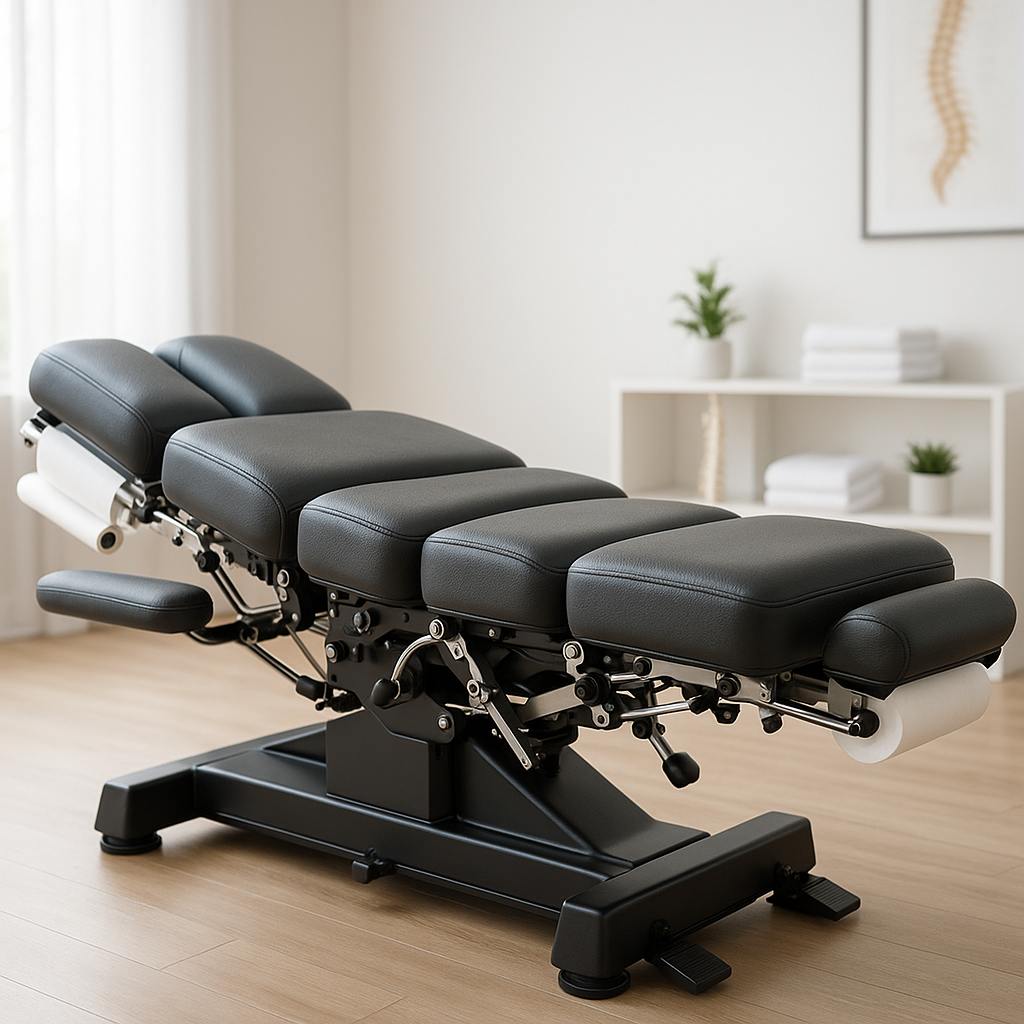
Understanding the Chiropractic Adjustment Table
If you have ever visited a chiropractor, you have almost certainly noticed the specialized piece of equipment at the center of the treatment room. The chiropractic table is far more than a simple examination bed. It is a carefully engineered piece of medical furniture designed to support the human body during precise spinal manipulations, therapeutic adjustments, and a wide range of musculoskeletal treatments. Understanding what this equipment is, how it works, and why it matters can help patients feel more informed and comfortable before their first appointment.
What Is a Chiropractic Adjustment Table?
A chiropractic adjustment table, also commonly referred to as a chiropractic treatment table or spine adjustment bench, is a specialized medical table used by licensed chiropractors to position patients safely and effectively during spinal manipulation and other therapeutic procedures. Unlike a standard examination table, a chiropractic table is built with movable sections, padded surfaces, and mechanical or hydraulic components that allow practitioners to achieve specific body positioning with a high degree of accuracy.
These tables are designed to work with the natural biomechanics of the human body. They support the spine, pelvis, and extremities in ways that facilitate controlled force application — the cornerstone of chiropractic care. Whether a patient is lying face down, face up, or on their side, the table helps the chiropractor deliver effective treatment while maintaining patient comfort and safety.
Why Is the Chiropractic Table So Important?
The quality and design of a chiropractic table directly influence the effectiveness of treatment. A well-constructed table allows the chiropractor to:
- Position the patient’s body at precise angles to isolate specific spinal segments
- Apply controlled, targeted force without unnecessary strain on adjacent structures
- Accommodate patients of varying body types, ages, and mobility levels
- Reduce the physical effort required from the practitioner, improving treatment consistency
- Enhance patient comfort, which in turn promotes relaxation and better treatment outcomes
Without the right table, many chiropractic techniques would simply not be possible, or at least not as safe or effective. The equipment essentially extends the practitioner’s ability to perform their work with precision.
Common Adjustment Table Types
There are several distinct adjustment table types used in modern chiropractic practice, each designed for specific techniques and patient needs. Below is an overview of the most widely used options:
1. Flat Tables
The flat table is the most basic form of chiropractic treatment surface. It features a stationary, padded platform with little to no mechanical movement. While these tables are cost-effective and easy to maintain, they are generally used only for basic assessments or in settings where advanced manipulation techniques are not required. Flat tables are less common in full-service chiropractic clinics but may be found in educational or multi-purpose settings.
2. Stationary Chiropractic Tables
Stationary tables are fixed-height surfaces with padded sections for patient comfort. They may include a face cradle and adjustable headrest but lack the motorized or drop-piece mechanisms found in more advanced models. These tables are suitable for practitioners who rely on manual manipulation techniques that do not require assisted mechanical movement.
3. Drop Tables (Thompson Drop Technique Tables)
Drop tables are among the most widely used options in contemporary chiropractic practice. These tables feature segmented sections — typically the head, thoracic, lumbar, and pelvic areas — each of which can be raised slightly and then released or “dropped” a short distance during the adjustment. This drop mechanism amplifies the chiropractic thrust while significantly reducing the force needed from the practitioner.
The drop table technique, often associated with the Thompson Terminal Point Technique, allows for high-velocity, low-amplitude adjustments that are both effective and gentle. This makes drop tables particularly suitable for elderly patients, pregnant women, or individuals with heightened sensitivity to manual force.
4. Flexion-Distraction Tables
The flexion-distraction table, also known as a Cox table, is specifically designed for the decompression and distraction of the lumbar spine. It features a moveable lower section that can be manually or mechanically guided into flexion, extension, lateral bending, and circumduction movements. This type of spine adjustment bench is particularly valuable for treating patients with:
- Herniated or bulging spinal discs
- Sciatica and lumbar radiculopathy
- Facet joint syndrome
- Spinal stenosis
- Spondylolisthesis
The gentle, rhythmic motion of the flexion-distraction table helps to increase disc height, reduce intradiscal pressure, and improve the range of motion in the lower back without high-force manipulation.
5. Elevation Tables (Hi-Lo Tables)
Elevation tables, commonly referred to as hi-lo tables, are hydraulic or electric-powered tables that can transition smoothly from a vertical or near-vertical position to a fully horizontal surface. This feature makes them exceptionally practical for patients who have difficulty climbing onto a standard examination table — including elderly individuals, those recovering from surgery, or patients with limited mobility.
The patient simply steps onto the table while it stands upright, secures themselves, and the table then lowers to the horizontal position. Once treatment is complete, the table returns to the upright position so the patient can step off easily. Many hi-lo models also incorporate drop sections and other advanced features, making them highly versatile pieces of equipment.
6. Portable Chiropractic Tables
Portable tables are lightweight, foldable versions of the standard chiropractic treatment table.












