
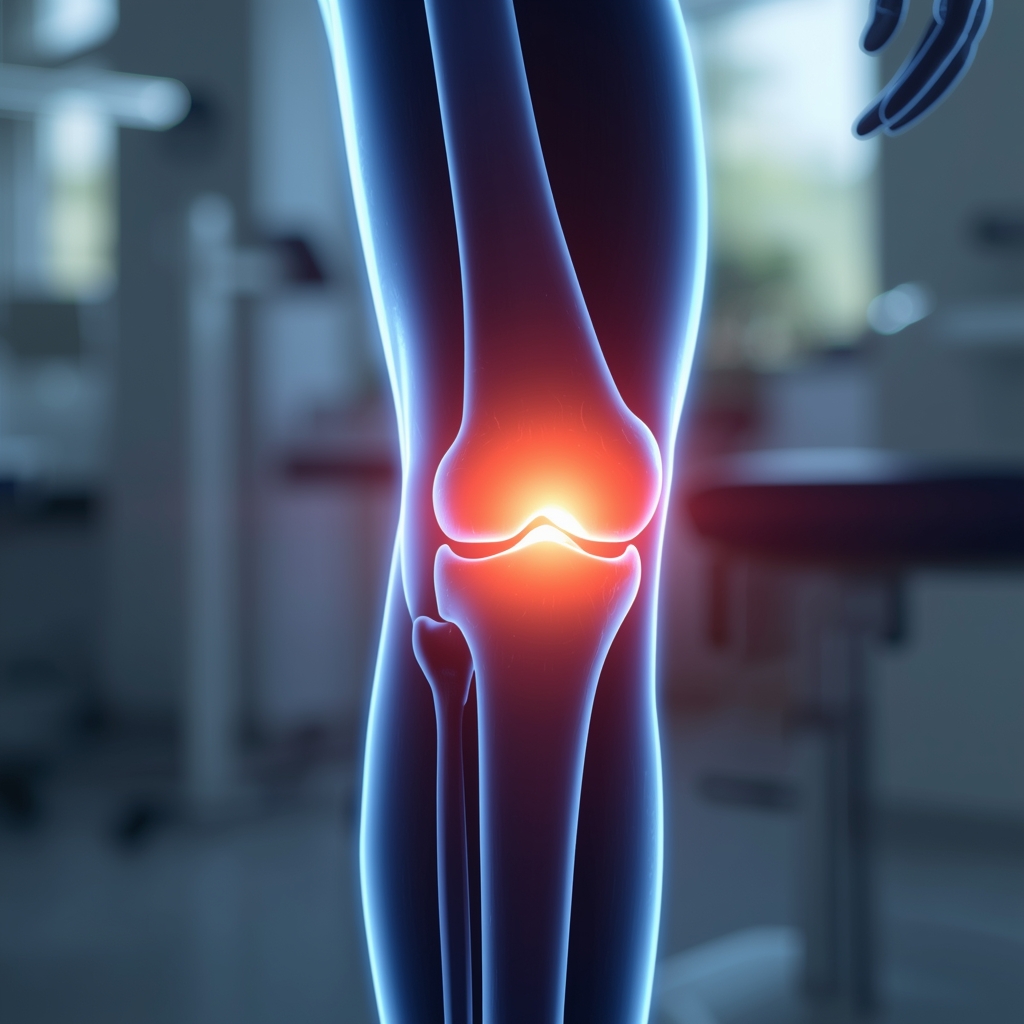
Understanding Cold Laser Therapy
Cold laser therapy, also known as low-level laser therapy (LLLT), involves using specific wavelengths of light to stimulate cellular function and promote healing. Unlike surgical lasers, it does not generate heat, making it a non-invasive option for pain management. The therapy is theorized to reduce inflammation, alleviate pain, and enhance tissue repair by interacting with mitochondrial activity in cells. While its mechanisms are still under study, it is increasingly used in complementary medicine for musculoskeletal conditions. For osteoarthritis, the goal is to address joint degeneration and improve mobility. However, evidence remains evolving, and its role in clinical practice requires careful evaluation.
Osteoarthritis of the Knee: A Common Challenge
Osteoarthritis (OA) is a degenerative joint disease characterized by cartilage breakdown, leading to pain, stiffness, and reduced mobility. The knee, a weight-bearing joint, is particularly vulnerable, affecting millions globally. Traditional treatments include medications, physical therapy, and in severe cases, surgery. However, many seek alternatives due to limitations or side effects of conventional approaches. Cold laser therapy is one such option, offering a non-pharmacological method to manage symptoms. Its application for knee OA focuses on targeting inflamed tissues and improving joint function. While not a standalone cure, it may complement other therapies, warranting further investigation into its efficacy.
How Cold Laser Therapy May Help Osteoarthritis
The potential benefits of cold laser therapy for knee OA stem from its ability to modulate biological processes. It is believed to reduce inflammatory markers, such as cytokines, which contribute to joint degradation. By enhancing cellular energy production, the therapy may support tissue repair and pain relief. Some studies suggest it can improve range of motion and decrease discomfort, though results vary. The therapy’s non-invasive nature makes it appealing for patients seeking to avoid medications or procedures. However, its exact mechanisms remain incompletely understood, and more research is needed to establish standardized protocols. Patients should approach it as part of a broader treatment strategy, guided by healthcare professionals.
Evidence from Clinical Studies
Research on cold laser therapy for knee OA is growing, but findings are mixed. Some trials report modest improvements in pain and function, while others find no significant benefits. A 2020 review noted that low-level laser therapy might reduce pain in the short term, though long-term effects require further study. Larger, well-designed trials are necessary to confirm these results and determine optimal parameters. It is important to note that many studies have small sample sizes or methodological limitations. While some clinicians incorporate cold laser therapy into treatment plans, its acceptance in mainstream medicine remains cautious. Patients should discuss its use with a qualified provider to weigh potential benefits against uncertainties.
Safety and Practical Considerations
Cold laser therapy is generally considered safe when administered by trained professionals. Adverse effects are rare but may include mild skin irritation or temporary discomfort. The therapy does not involve radiation or incisions, reducing risks compared to invasive procedures. However, its effectiveness can vary based on factors like device quality, treatment duration, and individual response. Patients should seek practitioners following established guidelines to ensure proper application. While it may offer relief, it is not a substitute for comprehensive care. Combining it with other strategies, such as exercise or physical therapy, often yields better outcomes. Always consult a healthcare provider before starting any new treatment.
Conclusion: Weighing the Options
Cold laser therapy presents a promising, non-invasive option for managing knee osteoarthritis, though evidence remains inconclusive. While some patients report symptom relief, more rigorous research is needed to validate its efficacy and establish standardized protocols. It is not a replacement for proven treatments but may serve as a complementary approach. Individuals considering it should discuss their options with a chiropractor or healthcare provider to determine if it aligns with their overall care plan. As with any therapy, personal consultation and informed decision-making are essential to address unique health needs and goals.













