
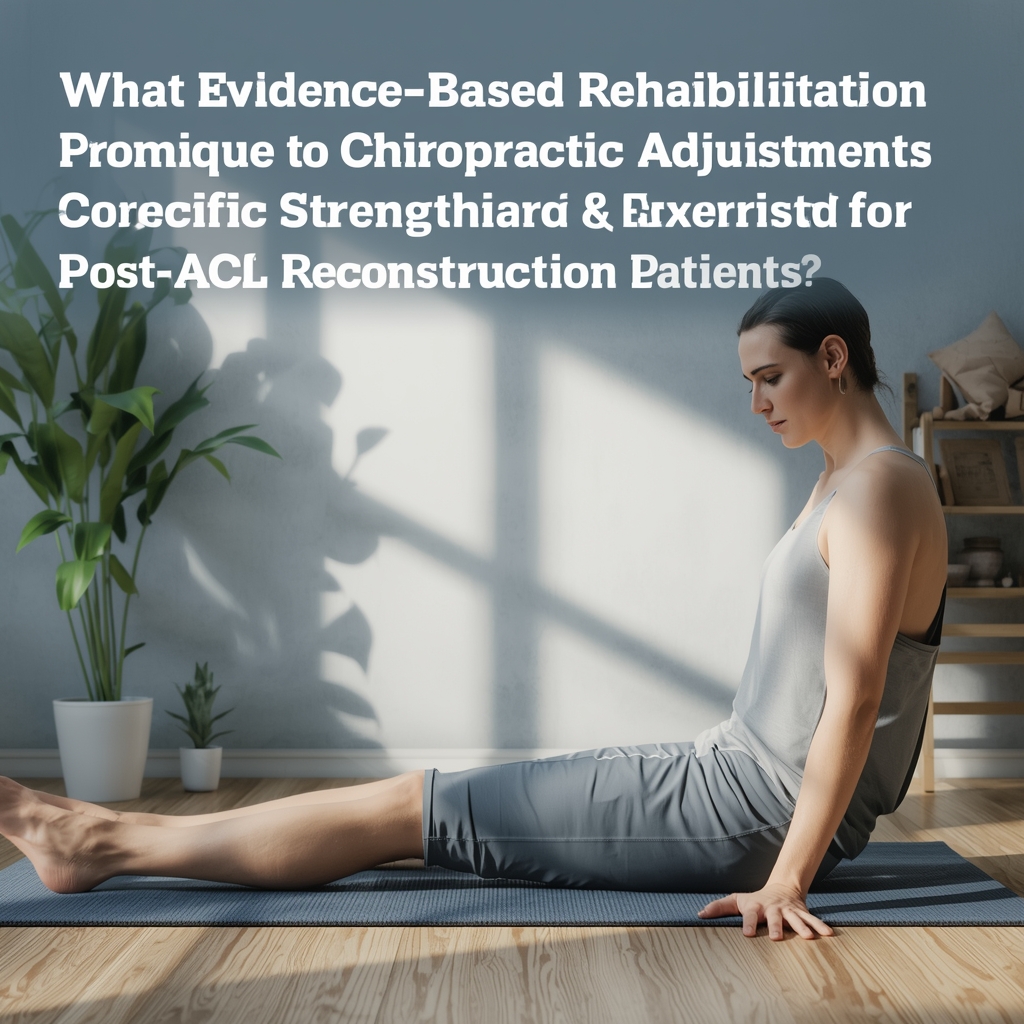
Understanding Post-ACL Reconstruction Rehabilitation
Anterior cruciate ligament (ACL) reconstruction is a common surgical procedure to restore knee stability after injury. Recovery involves more than just surgical repair; it requires a structured rehabilitation plan. Evidence-based protocols often integrate chiropractic adjustments with targeted strengthening exercises to optimize outcomes. Chiropractors focus on spinal alignment and musculoskeletal function, which can indirectly support knee recovery by improving overall biomechanics. Strengthening exercises, meanwhile, rebuild muscle strength and joint stability. Combining these approaches may enhance recovery by addressing both structural and functional aspects of healing. Patients should work with qualified professionals to tailor protocols to their specific needs, ensuring safety and effectiveness.
The Role of Chiropractic Adjustments in Recovery
Chiropractic adjustments aim to restore proper joint function and reduce nerve interference, which can influence the body’s healing processes. For post-ACL patients, adjustments may help alleviate compensatory stress on other joints, such as the hips or lower back, which often occur due to altered movement patterns. By improving spinal alignment and reducing musculoskeletal imbalances, chiropractors can support the body’s natural recovery mechanisms. While not a direct treatment for the knee itself, these adjustments may enhance overall mobility and reduce secondary complications. Research suggests that maintaining proper biomechanics can improve long-term outcomes, making chiropractic care a potential adjunct to traditional rehabilitation strategies.
Targeted Strengthening Exercises for ACL Recovery
Strengthening exercises are a cornerstone of post-ACL rehabilitation, focusing on rebuilding quadriceps, hamstrings, and hip muscles to stabilize the knee. Exercises like straight-leg raises, hamstring curls, and balance training are commonly recommended. These movements improve muscle activation, joint proprioception, and functional strength. Progressive resistance training is often introduced as recovery progresses, ensuring gradual adaptation without overloading the healing ligament. Proper form and supervision are critical to avoid compensatory movements that could hinder recovery. When combined with chiropractic care, these exercises may enhance neuromuscular control and reduce the risk of re-injury. Patients should follow a personalized program designed by a healthcare provider to ensure safety and effectiveness.
Evidence-Based Protocols for Combined Care
While research on combined chiropractic and exercise protocols for ACL recovery is limited, existing studies highlight the value of multidisciplinary approaches. Protocols often emphasize early mobilization, progressive strengthening, and functional training. Chiropractic care may complement these strategies by addressing biomechanical dysfunctions that could impede recovery. For example, spinal adjustments might reduce nerve irritation, potentially improving muscle coordination. Strengthening exercises are typically guided by physical therapy principles, ensuring they align with the body’s healing timeline. Although specific evidence on combined protocols is sparse, the integration of chiropractic and exercise therapies is increasingly recognized as a way to address both structural and functional recovery needs in post-surgical patients.
Integrating Chiropractic with Physical Therapy
Effective post-ACL rehabilitation often requires collaboration between chiropractors and physical therapists. Chiropractors may focus on spinal and joint alignment, while physical therapists design exercise programs to restore strength and mobility. This teamwork ensures a holistic approach, addressing both the musculoskeletal system and functional recovery. For instance, a chiropractor might adjust the pelvis to reduce compensatory strain, while a physical therapist guides the patient through knee-specific exercises. Communication between providers is essential to avoid conflicting interventions and ensure a cohesive plan. Patients should discuss their care team’s strategies to maintain consistency and maximize recovery outcomes. Such integration reflects a growing trend toward collaborative, patient-centered rehabilitation models.
Consulting Professionals for Personalized Care
Every patient’s recovery journey is unique, influenced by factors like injury severity, overall health, and rehabilitation goals. While evidence supports the potential benefits of combining chiropractic adjustments with strengthening exercises, individualized planning is crucial. A qualified chiropractor can assess musculoskeletal imbalances and recommend adjustments, while a physical therapist can design a tailored exercise program. Patients should avoid self-directed protocols, as improper techniques could delay healing or cause further injury. Regular follow-ups with healthcare providers ensure adjustments and exercises remain aligned with recovery progress. By working with experts, patients can navigate post-ACL rehabilitation safely and effectively, optimizing long-term joint health and function.











