
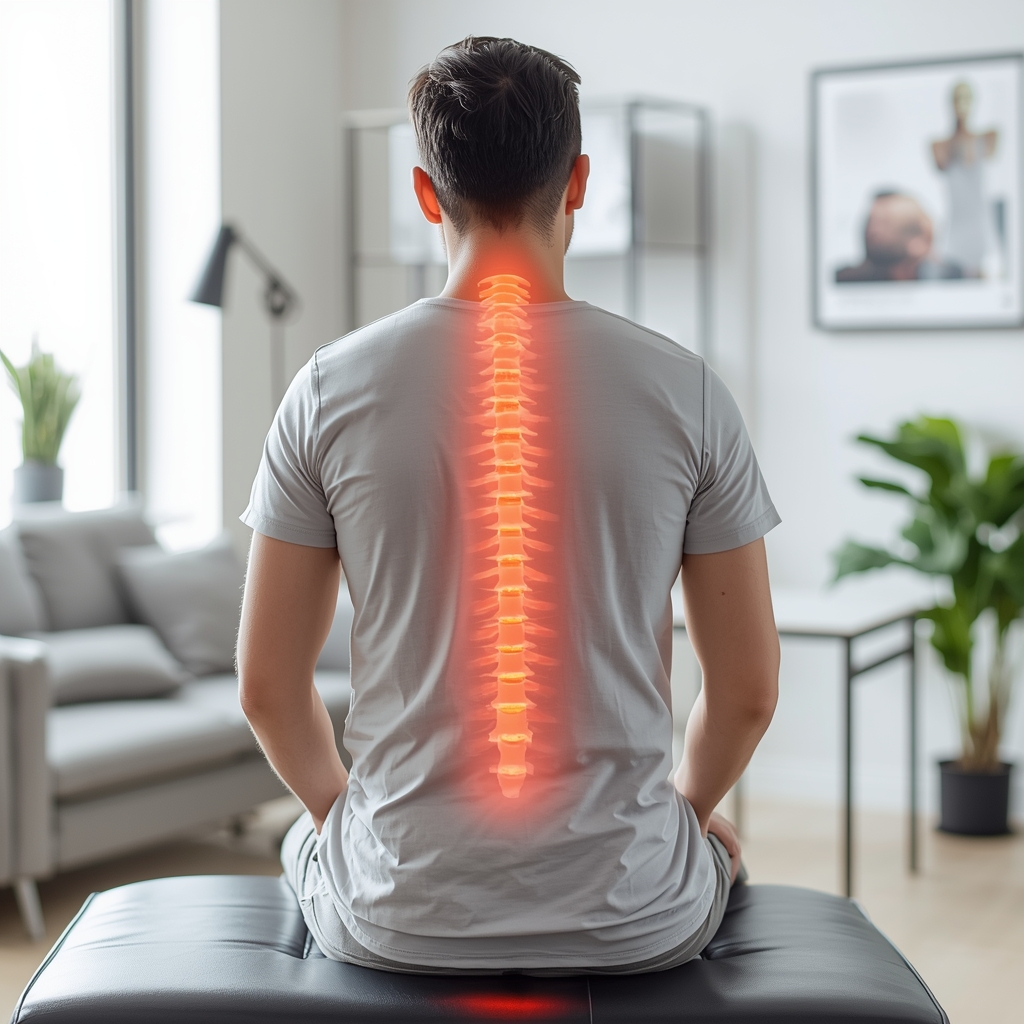
Understanding Sciatica and Treatment Options
Sciatica, characterized by pain radiating along the sciatic nerve, often stems from spinal issues like herniated discs or spinal stenosis. Patients frequently face the decision between chiropractic care and physical therapy. Chiropractic care focuses on spinal adjustments to alleviate nerve pressure, while physical therapy emphasizes exercises to strengthen muscles and improve mobility. Evidence-based protocols help patients evaluate these options by considering factors like symptom severity, underlying causes, and individual preferences. Both approaches aim to reduce pain and restore function, but their methods differ significantly. Understanding the principles of each can guide informed choices, ensuring patients align their treatment with their specific needs and goals.
Evidence for Chiropractic Care
Chiropractic care for sciatica often involves spinal manipulative therapy (SMT) to address nerve compression and improve alignment. While research on SMT’s efficacy varies, many studies suggest it can provide short-term relief for sciatic pain by reducing inflammation and restoring joint mobility. Chiropractors may also incorporate adjunct therapies like soft tissue work or therapeutic exercises. However, the evidence is not universally conclusive, and outcomes depend on factors such as the patient’s condition and the practitioner’s expertise. Patients considering chiropractic care should consult a licensed provider to assess suitability, particularly if they have complex or chronic sciatica. This approach is often favored for its non-invasive nature and focus on holistic spinal health.
Evidence for Physical Therapy
Physical therapy for sciatica centers on strengthening the core and lower back muscles, improving posture, and enhancing flexibility. Evidence supports the use of targeted exercises to reduce nerve irritation and prevent future episodes. Therapists may employ modalities like heat, electrical stimulation, or manual therapy to complement movement-based interventions. Studies indicate that structured PT programs can lead to long-term improvements in function and pain management. Unlike chiropractic care, PT emphasizes patient education and self-management strategies, empowering individuals to maintain progress independently. While results may take longer to manifest, physical therapy is widely recommended as a first-line treatment for many sciatica cases. Patients should work with a licensed physical therapist to tailor exercises to their specific condition and goals.
Comparative Effectiveness and Research Gaps
Comparative studies on chiropractic care and physical therapy for sciatica show mixed results, with both approaches demonstrating benefits in different contexts. Some research suggests chiropractic adjustments may offer faster pain relief, while physical therapy often provides sustained functional improvements. However, the quality of evidence varies, and individual responses can differ. Factors like patient adherence, condition severity, and treatment duration influence outcomes. Both methods lack robust, large-scale trials comparing their long-term efficacy directly. Patients should recognize that neither approach is universally superior and that the best choice depends on their unique circumstances. Collaboration with healthcare providers is essential to navigate these complexities and select the most appropriate strategy.
Key Factors in Decision-Making
Patients deciding between chiropractic care and physical therapy for sciatica should consider several factors. The duration and severity of symptoms, underlying causes (e.g., disc herniation vs. muscle strain), and previous treatment responses are critical. Personal preferences, such as a desire for hands-on care versus self-directed exercises, also play a role. Chiropractic care may appeal to those seeking immediate relief, while physical therapy suits those prioritizing long-term strength and mobility. Comorbidities, like osteoporosis or pregnancy, may further influence the decision. Open communication with a healthcare provider helps weigh these factors, ensuring the chosen approach aligns with the patient’s health status and goals. A multidisciplinary team can also provide additional insights for complex cases.
Consulting Professionals for Personalized Guidance
Ultimately, the choice between chiropractic care and physical therapy for sciatica should be guided by a qualified healthcare provider. Both approaches have evidence supporting their use, but individualized assessment is crucial. A chiropractor or physical therapist can evaluate the patient’s condition, discuss potential benefits and limitations, and develop a tailored plan. Patients should ask questions about treatment duration, expected outcomes, and any associated risks. In some cases, a combination of both therapies may yield the best results. By fostering a collaborative relationship with healthcare professionals, patients can make informed decisions that align with their needs and promote optimal recovery. Always consult a licensed provider before starting any new treatment regimen.














