
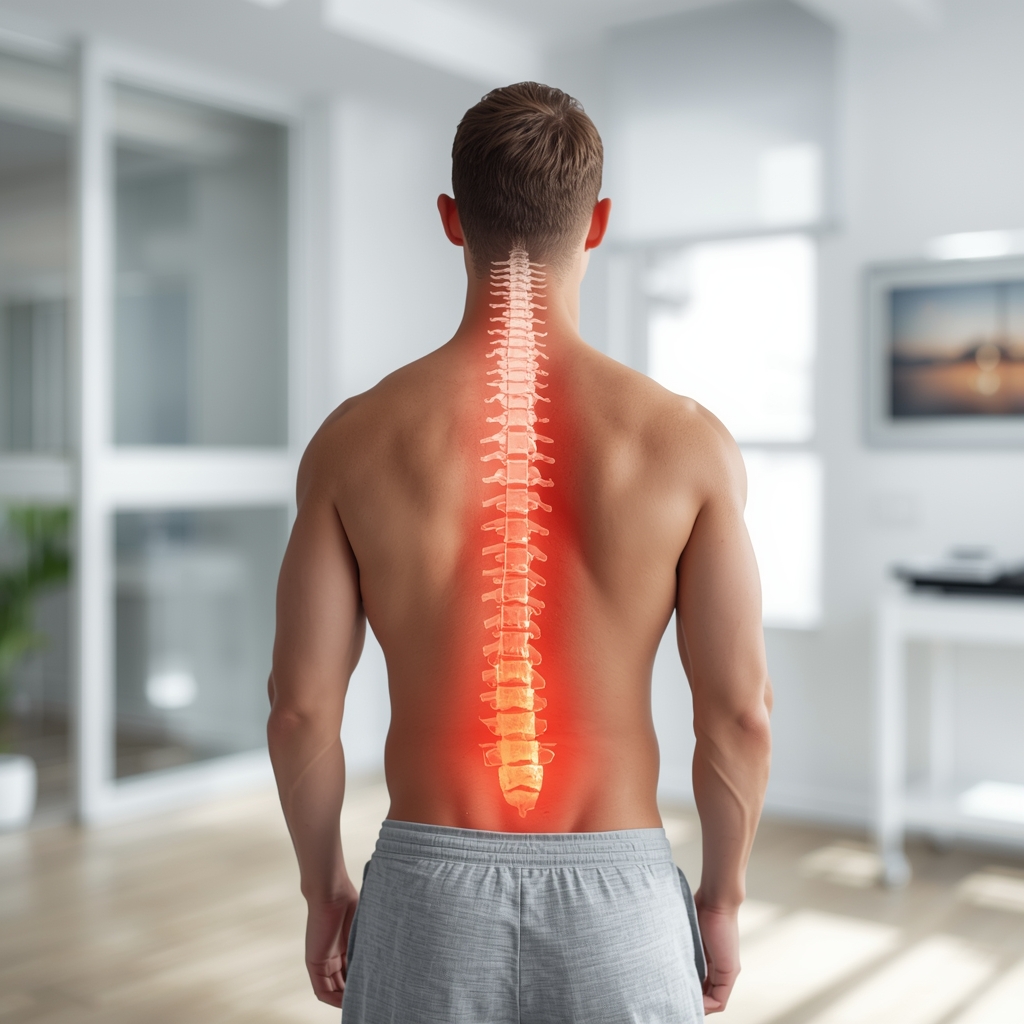
The Role of Chiropractic in Sciatica Management
Sciatica, characterized by pain radiating along the sciatic nerve, often stems from spinal compression or inflammation. While surgical interventions like discectomy or spinal fusion are sometimes recommended, chiropractic care offers a non-invasive alternative. Chiropractors focus on spinal adjustments, soft tissue therapy, and lifestyle guidance to alleviate pressure on the nerve. This approach aligns with broader medical consensus that conservative treatments should be prioritized for many musculoskeletal conditions. Patients seeking to avoid surgery may find chiropractic care appealing, but understanding its evidence base and limitations is crucial for informed decision-making.
Comparative Evidence with Surgical Interventions
Research on sciatica treatments shows mixed results. Some studies indicate that spinal manipulation by chiropractors can reduce pain and improve function, though outcomes vary by patient. In contrast, surgical options often provide rapid relief for severe cases but carry risks like infection or nerve damage. A 2019 review noted that non-surgical approaches, including chiropractic care, may be as effective as surgery for certain patients, particularly those with mild to moderate symptoms. However, long-term data remains limited, and individual responses differ. Patients should discuss these findings with healthcare providers to weigh risks and benefits against their specific condition.
Key Considerations for Informed Decisions
When evaluating treatment options, patients must consider factors like symptom severity, duration, and overall health. Chiropractic care is often recommended as a first-line approach for non-urgent cases, while surgery may be necessary for severe nerve compression or progressive weakness. Imaging results, such as MRI findings, also influence decisions. Patients should ask about the evidence supporting each option, potential side effects, and recovery timelines. Open communication with both chiropractors and medical specialists ensures a comprehensive understanding of risks and benefits, empowering patients to choose the path that aligns with their goals and values.
Shared Decision-Making with Healthcare Providers
Informed decisions require collaboration between patients and healthcare professionals. Chiropractors can explain how their methods address sciatica, while medical doctors can clarify when surgery might be warranted. Patients should inquire about the likelihood of improvement with conservative care, the success rates of surgical procedures, and the potential for complications. Tools like patient decision aids or shared decision-making frameworks can help organize this information. Ultimately, the choice should reflect the patient’s preferences, lifestyle, and medical history, ensuring a personalized approach to care.
Limitations and Gaps in Current Research
While chiropractic care is widely used for sciatica, the evidence base remains evolving. Many studies lack long-term follow-up or large sample sizes, making it difficult to draw definitive conclusions. Surgical trials often have more rigorous designs but may not account for patient-reported outcomes like quality of life. Patients should recognize these limitations and seek care from qualified professionals who stay updated on emerging research. Open dialogue with providers about uncertainties can help manage expectations and guide treatment choices effectively.
Conclusion: Balancing Options for Optimal Outcomes
Chiropractic care presents a viable first-line option for many sciatica patients, offering non-invasive relief and holistic support. However, its effectiveness depends on individual circumstances, and surgery may be necessary in specific cases. By understanding the evidence, discussing options with healthcare providers, and considering personal priorities, patients can make informed choices. Regular follow-ups and flexibility in treatment plans ensure that care remains aligned with evolving needs, fostering better long-term outcomes for sciatica management.













