
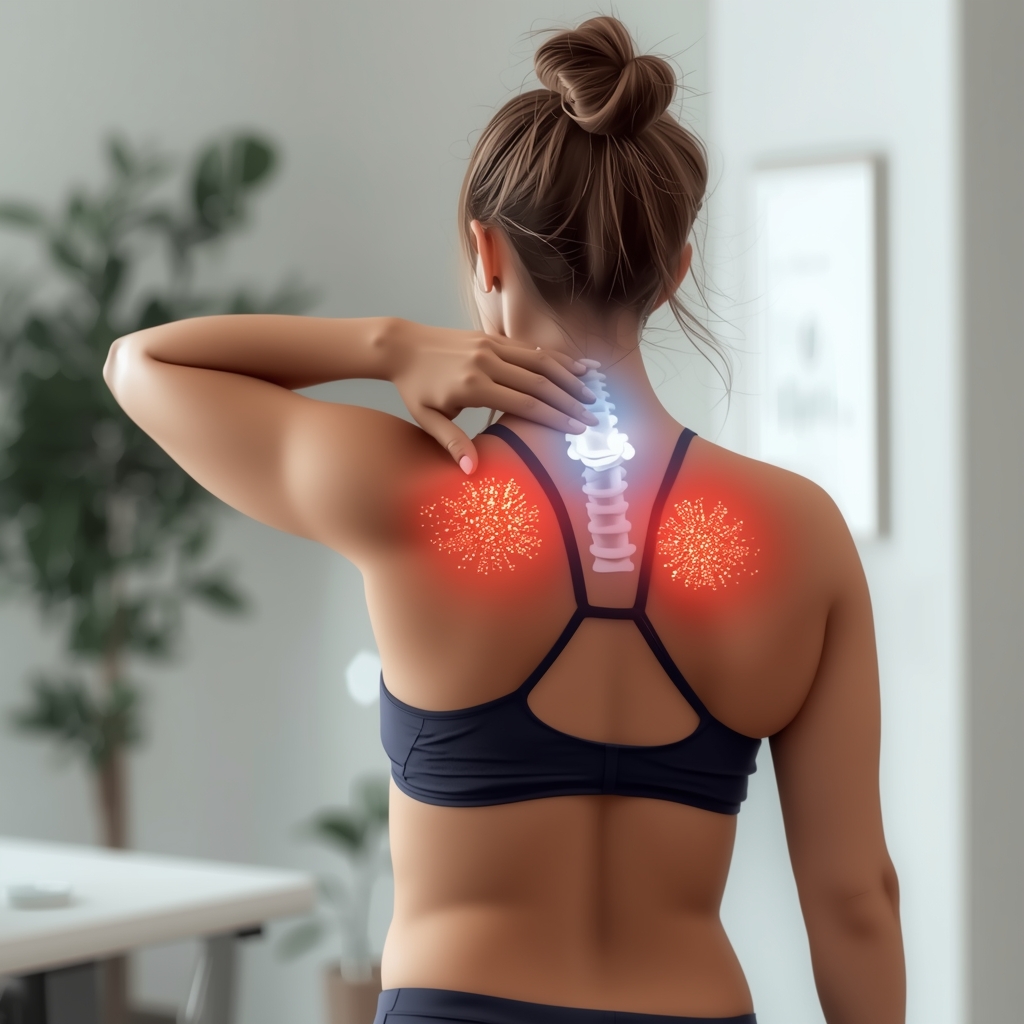
What Is Active Release Technique (ART)?
Active Release Technique (ART) is a soft tissue therapy designed to address musculoskeletal issues by targeting scar tissue, adhesions, and muscle imbalances. Developed by Dr. Michael Leahy, ART combines examination and treatment, using the practitioner’s hands to evaluate and manipulate soft tissues while the patient actively moves. This method is particularly useful for conditions involving repetitive strain or overuse, such as rotator cuff injuries. By restoring normal tissue function, ART aims to reduce pain, improve mobility, and enhance recovery. Its application in sports medicine highlights its relevance for athletes seeking non-invasive solutions to injuries that affect performance and range of motion.
How ART Addresses Rotator Cuff Injuries
Rotator cuff injuries often involve inflammation, tendinitis, or tears in the muscles and tendons surrounding the shoulder joint. ART focuses on identifying and breaking down scar tissue and adhesions that form in these areas, which can restrict movement and cause pain. During treatment, the chiropractor applies precise pressure while guiding the patient through specific movements to restore flexibility and function. This approach targets the root causes of discomfort rather than just alleviating symptoms. For athletes, this can mean faster recovery times and a reduced risk of re-injury. By improving tissue elasticity and blood flow, ART supports the body’s natural healing processes, making it a valuable tool for managing shoulder-related musculoskeletal conditions.
Evidence-Based Benefits of ART for Athletes
While direct clinical trials on ART for rotator cuff injuries are limited, its mechanisms align with broader principles of soft tissue therapy and rehabilitation. Many practitioners report improved outcomes when ART is integrated with other treatments, such as exercise and manual therapy. The technique’s emphasis on restoring normal tissue mechanics may help athletes regain strength and mobility more efficiently. Research on similar therapies, like myofascial release, suggests that addressing soft tissue restrictions can enhance recovery and performance. Athletes often seek ART for its potential to reduce downtime and support return-to-play goals. However, individual results may vary, and it is essential to consult a qualified chiropractor to determine if ART is appropriate for specific conditions.
Comparing ART to Other Treatments for Rotator Cuff Injuries
ART is often compared to other interventions like physical therapy, corticosteroid injections, and surgery for rotator cuff injuries. Unlike invasive procedures, ART offers a non-surgical option that focuses on soft tissue rehabilitation. Physical therapy typically involves exercises to strengthen the shoulder, while ART addresses underlying tissue restrictions that may hinder recovery. Some studies suggest that combining ART with traditional therapies can enhance outcomes, though more research is needed. For athletes, the goal is to return to activity safely, and ART’s targeted approach may complement other strategies. It is important to note that ART is not a substitute for comprehensive care and should be part of a broader treatment plan tailored to the individual’s needs.
Athlete-Centric Benefits of ART
For athletes, the ability to maintain peak performance while recovering from injury is critical. ART’s focus on restoring tissue function can help athletes avoid prolonged downtime and reduce the risk of chronic issues. By addressing soft tissue imbalances, ART may also prevent secondary injuries caused by compensatory movement patterns. Many athletes report improved range of motion and reduced pain after ART sessions, which can enhance training effectiveness. Additionally, the technique’s non-invasive nature makes it appealing for those seeking alternatives to medication or surgery. However, the effectiveness of ART depends on proper diagnosis and treatment by a skilled practitioner. Athletes should work closely with their chiropractor to develop a personalized approach that aligns with their recovery goals.
Consulting a Chiropractor for ART Treatment
Before pursuing ART for a rotator cuff injury, athletes should consult a licensed chiropractor with experience in soft tissue techniques. A thorough evaluation is essential to determine if ART is suitable for their specific condition. The chiropractor may recommend ART as part of a broader care plan that includes exercises, ergonomic adjustments, or other therapies. It is important to communicate openly about symptoms, activity levels, and recovery expectations to ensure the treatment aligns with individual needs. While ART can offer benefits, it is not a one-size-fits-all solution. Patients should approach it as a complementary tool rather than a standalone treatment. By working with a qualified provider, athletes can make informed decisions about their care and optimize their recovery outcomes.















