
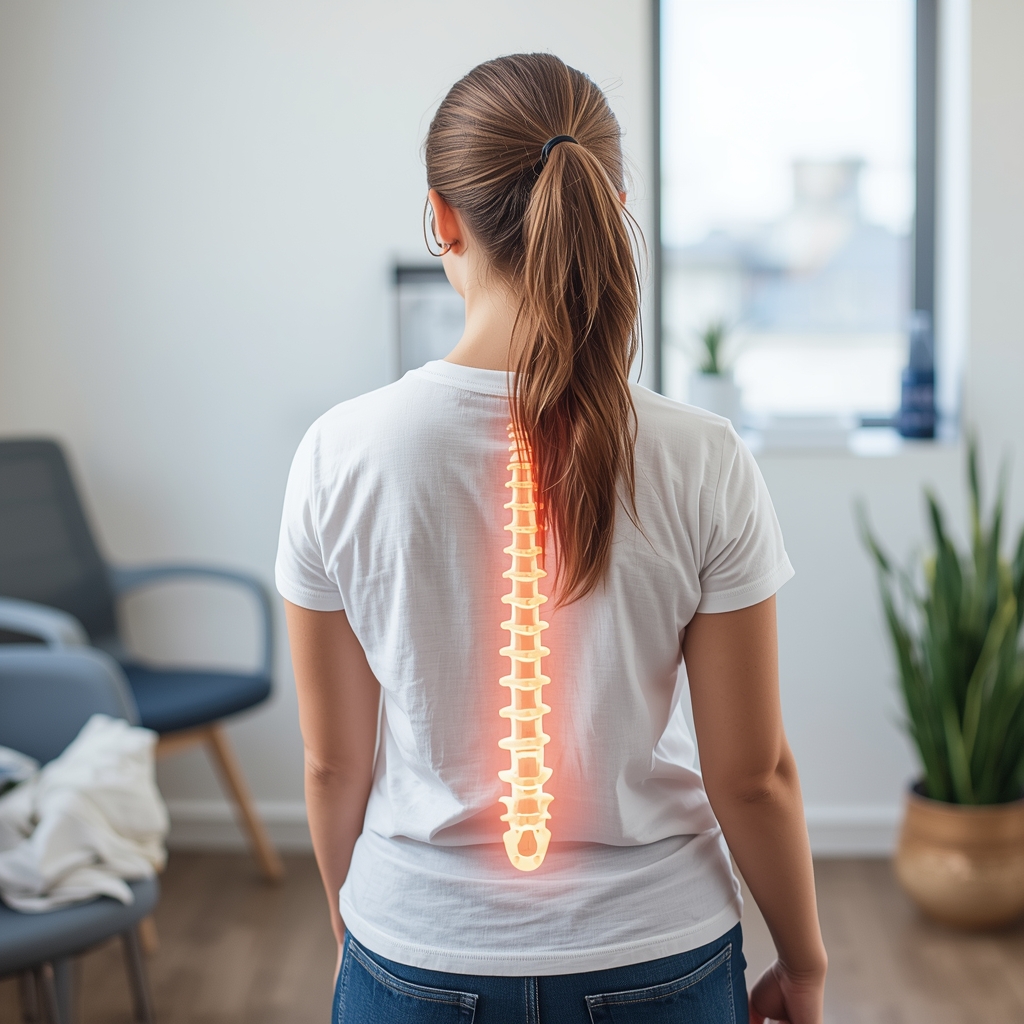
Understanding the Importance of Early Scoliosis Screening
Early detection of scoliosis in adolescents is critical for effective management and preventing progression. Scoliosis, characterized by an abnormal lateral curvature of the spine, often develops during growth spurts in childhood and adolescence. Routine screenings, such as the Adam's Forward Bend Test, are commonly used in schools and pediatric settings to identify visible signs like uneven shoulder heights or a tilted pelvis. While these visual assessments are not diagnostic on their own, they serve as a crucial first step in determining when further evaluation is needed. Regular movement and postural awareness are broadly associated with better outcomes, making early intervention a cornerstone of scoliosis care. Parents and caregivers should be vigilant about subtle changes in a child’s posture or gait, as early identification can lead to timely treatment and improved quality of life.
Common Early Screening Methods for Scoliosis
Healthcare professionals employ several standardized methods to screen for scoliosis in adolescents. The Adam’s Forward Bend Test involves asking a child to bend forward at the waist, allowing clinicians to observe for asymmetry in the rib cage or shoulder blades, which may indicate spinal curvature. School-based screening programs often use this technique alongside measurements of trunk rotation. For more definitive assessment, imaging such as X-rays may be recommended to measure the Cobb angle, a standard metric for quantifying spinal curvature. While these methods are widely accepted, they are typically part of a broader evaluation that includes a patient’s medical history and physical examination. Early screening is non-invasive and cost-effective, enabling timely referrals to specialists if abnormalities are detected. However, it is important to note that not all spinal deviations require intervention, and decisions about treatment depend on the severity and progression of the condition.
Traditional Treatments for Adolescent Scoliosis
Traditional approaches to managing adolescent scoliosis focus on monitoring, bracing, and, in severe cases, surgical intervention. For mild curves, regular observation by a healthcare provider is often sufficient to track progression. Bracing is commonly recommended for moderate cases, particularly during periods of active growth, to prevent further curvature. These braces are typically worn for 16–23 hours daily and are most effective when used consistently. In more severe instances, spinal fusion surgery may be considered to stabilize the spine and reduce deformity. While these treatments are well-established, they can be physically and emotionally taxing for young patients. Additionally, some families seek complementary strategies to support overall spinal health and well-being. It is essential to work with a qualified orthopedic specialist or pediatrician to determine the most appropriate course of action based on individual needs and the severity of the condition.
How Chiropractic Care Can Support Scoliosis Management
Chiropractic care offers a complementary approach to traditional scoliosis treatments by focusing on spinal alignment, posture, and musculoskeletal function. Chiropractors use gentle adjustments to address imbalances in the spine, which may help alleviate discomfort and improve mobility. While chiropractic care is not a substitute for medical treatments like bracing or surgery, it can enhance overall management by promoting better spinal mechanics and reducing secondary symptoms such as muscle tension or pain. Techniques like soft tissue therapy and corrective exercises may also be incorporated to support the body’s natural healing processes. Many adolescents and their families find that integrating chiropractic care with conventional treatments provides a more holistic approach to managing scoliosis. However, it is crucial to consult with a licensed chiropractor who has experience working with pediatric patients to ensure safe and effective care.
Complementary Roles of Chiropractic and Medical Treatments
Chiropractic care and traditional medical treatments for scoliosis can work synergistically to address both structural and functional aspects of the condition. While bracing and surgery focus on correcting or stabilizing spinal curvature, chiropractic interventions may help optimize neuromuscular function and reduce associated discomfort. For example, chiropractors may use specific adjustments to improve spinal flexibility and support the body’s alignment, potentially enhancing the effectiveness of other treatments. Additionally, chiropractic care often emphasizes patient education on posture, movement, and lifestyle factors that can influence spinal health. This collaborative approach allows for a more comprehensive strategy, addressing not only the physical deformity but also the overall well-being of the adolescent. Open communication between chiropractors, orthopedic specialists, and primary care providers ensures that all aspects of the patient’s care are coordinated and aligned with their unique needs.
Consulting Professionals for Personalized Care
Every adolescent’s scoliosis journey is unique, and the most effective treatment plans are tailored to individual needs. While early screening and traditional interventions remain foundational, chiropractic care can offer additional support when integrated thoughtfully with medical guidance. Parents and patients should consult with a qualified chiropractor and a healthcare provider specializing in spinal conditions to discuss how complementary approaches might fit into their overall care plan. It is important to remember that no single method works for everyone, and decisions should be based on a thorough evaluation of the patient’s condition, growth patterns, and personal preferences. By fostering a collaborative relationship between different healthcare disciplines, adolescents with scoliosis can access a well-rounded approach that promotes both physical health and long-term well-being.














