
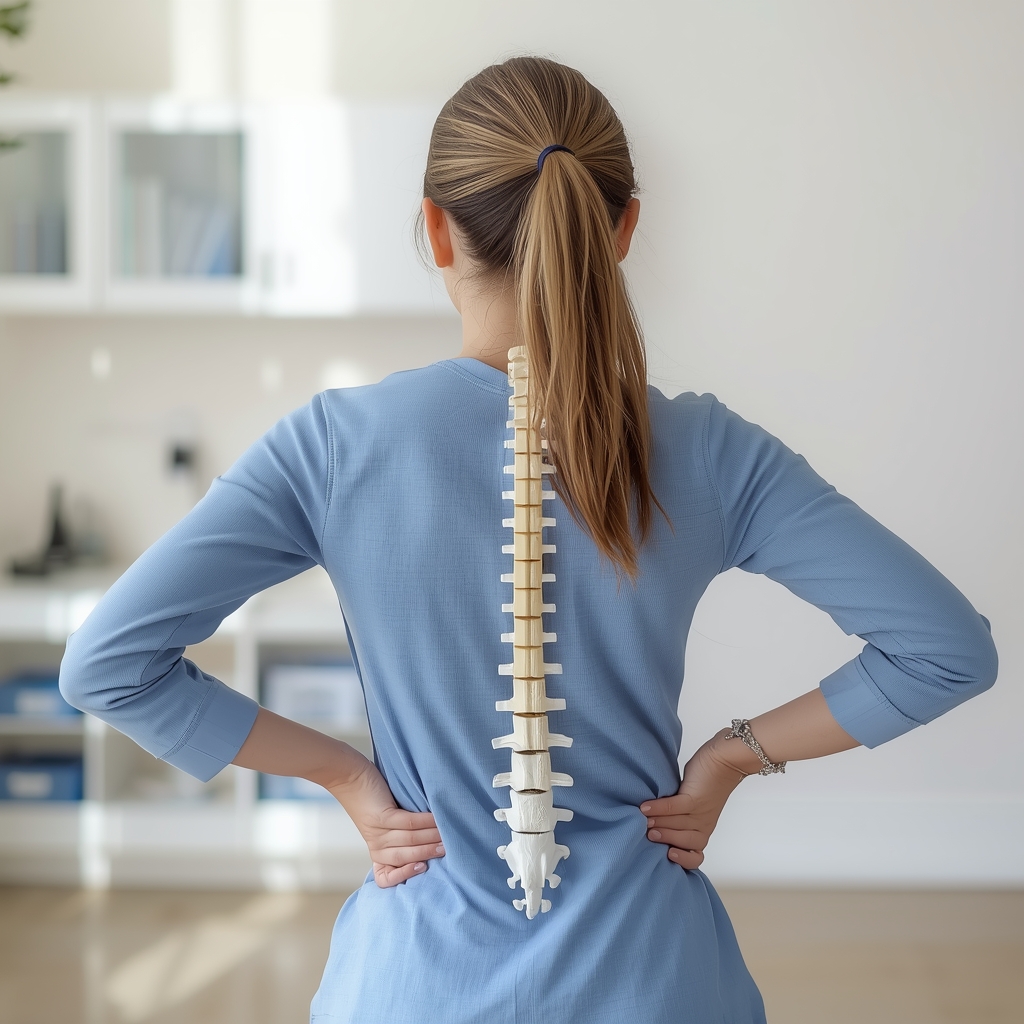
Understanding Scoliosis in Growing Patients
Scoliosis is a condition characterized by an abnormal sideways curvature of the spine, often diagnosed during childhood or adolescence. While some cases are mild, others can progress, leading to discomfort, postural imbalances, and potential long-term complications. Early intervention is critical, as the spine is still developing in growing patients, making it more responsive to treatment. Recognizing symptoms like uneven shoulders, a tilted pelvis, or a visible curve in the back can prompt timely medical evaluation. Parents and caregivers should be aware of these signs and seek professional guidance to determine the best course of action. Understanding the nature of scoliosis helps families approach treatment with informed expectations, focusing on strategies that support spinal health and overall well-being.
Monitoring and Regular Check-Ups
Regular medical evaluations are essential for tracking the progression of scoliosis in children. Healthcare providers, including pediatricians and orthopedic specialists, use physical exams and imaging like X-rays to measure the curvature and assess its development. These check-ups allow for early detection of changes, enabling timely adjustments to treatment plans. For growing patients, monitoring is particularly important because the spine’s growth rate can influence how quickly a curve worsens. Parents should follow recommended schedules for these visits, as consistent oversight can prevent severe cases that may require more invasive interventions. Early detection and ongoing monitoring also empower families to make informed decisions about treatment options, ensuring the child’s spine remains as healthy as possible during critical growth phases.
Bracing as a Conservative Approach
Bracing is a common non-surgical intervention for scoliosis, particularly when the curvature is moderate and the child is still growing. The goal of bracing is to prevent the curve from worsening by applying pressure to the spine. Custom-fitted braces, such as thoracolumbosacral orthoses (TLSOs), are typically worn for several hours daily and may be adjusted as the child grows. While bracing does not correct existing curvature, it can halt progression, reducing the risk of more severe deformities. Success often depends on consistent use and the child’s adherence to the prescribed regimen. Parents should work closely with healthcare providers to ensure the brace fits properly and to address any discomfort. Bracing is most effective when initiated early, before the curve becomes too severe, and is often recommended for patients with curves between 25 and 45 degrees.
Physical Therapy and Exercise Programs
Physical therapy and targeted exercise programs play a vital role in managing scoliosis by strengthening the muscles around the spine and improving posture. Specific exercises, such as those in the Schroth method, focus on correcting imbalances and enhancing spinal alignment. These programs are often tailored to the individual’s needs and may include core strengthening, flexibility exercises, and postural training. Regular participation in such activities can help reduce pain, improve mobility, and support the spine’s natural curvature. For growing patients, physical therapy can also address compensatory movements that may develop due to the condition. While exercise alone cannot reverse scoliosis, it complements other interventions and promotes overall musculoskeletal health. Families should consult a qualified therapist to design a safe and effective program that aligns with the child’s treatment plan.
Chiropractic Care and Spinal Adjustments
Chiropractic care is sometimes considered as part of a comprehensive approach to managing scoliosis in children. Chiropractors use manual adjustments to improve spinal alignment and alleviate discomfort, though they do not claim to cure the condition. These techniques may help reduce pain, enhance mobility, and support the body’s natural healing processes. However, it is crucial to note that chiropractic care should be part of a broader treatment strategy, not a standalone solution. Parents should seek licensed chiropractors with experience in pediatric care and collaborate with other healthcare providers to ensure a coordinated approach. While some patients report benefits from adjustments, results can vary, and the effectiveness of chiropractic interventions for scoliosis remains a topic of ongoing research. Always consult a qualified professional before pursuing this option.
Lifestyle and Postural Habits
Adopting healthy lifestyle and postural habits can significantly impact scoliosis management in growing patients. Encouraging regular physical activity, such as swimming or yoga, promotes spinal strength and flexibility. Proper posture during daily activities—like sitting, standing, and sleeping—can also reduce strain on the spine. Parents should ensure their child’s environment supports good posture, such as using ergonomically designed furniture and avoiding prolonged periods of inactivity. Additionally, maintaining a balanced diet rich in calcium and vitamin D supports bone health, which is essential for spinal development. While these habits do not directly treat scoliosis, they contribute to overall musculoskeletal well-being. Combining these practices with medical recommendations can create a supportive framework for the child’s long-term spinal health and quality of life.















