
The Graston Technique: An Overview
The Graston Technique is a form of instrument-assisted soft tissue mobilization that uses specialized tools to detect and treat areas of soft tissue restriction. It is commonly used to address conditions involving scar tissue, muscle tightness, and fascial adhesions. By applying controlled pressure and friction to affected areas, the technique aims to break down scar tissue, reduce inflammation, and restore normal movement. This approach is often integrated into broader treatment plans by chiropractors to enhance recovery outcomes. While not a standalone solution, it complements other therapies like spinal adjustments by targeting musculoskeletal imbalances that may contribute to pain or dysfunction.
Conditions That Benefit Most from the Graston Technique
Several musculoskeletal conditions may see significant improvement with the Graston Technique. Common applications include treating plantar fasciitis, iliotibial band syndrome, and rotator cuff injuries, where soft tissue restrictions limit mobility. It is also used for chronic conditions like tendinopathies, fibromyalgia, and post-surgical scar tissue. Patients with repetitive strain injuries, such as carpal tunnel syndrome, often report reduced pain and improved function after sessions. The technique is particularly effective for addressing myofascial restrictions that may not respond fully to traditional massage or manual therapy. However, its effectiveness depends on proper diagnosis and integration with other therapeutic interventions, including spinal adjustments, to address underlying biomechanical issues.
How Graston Enhances Spinal Adjustment Outcomes
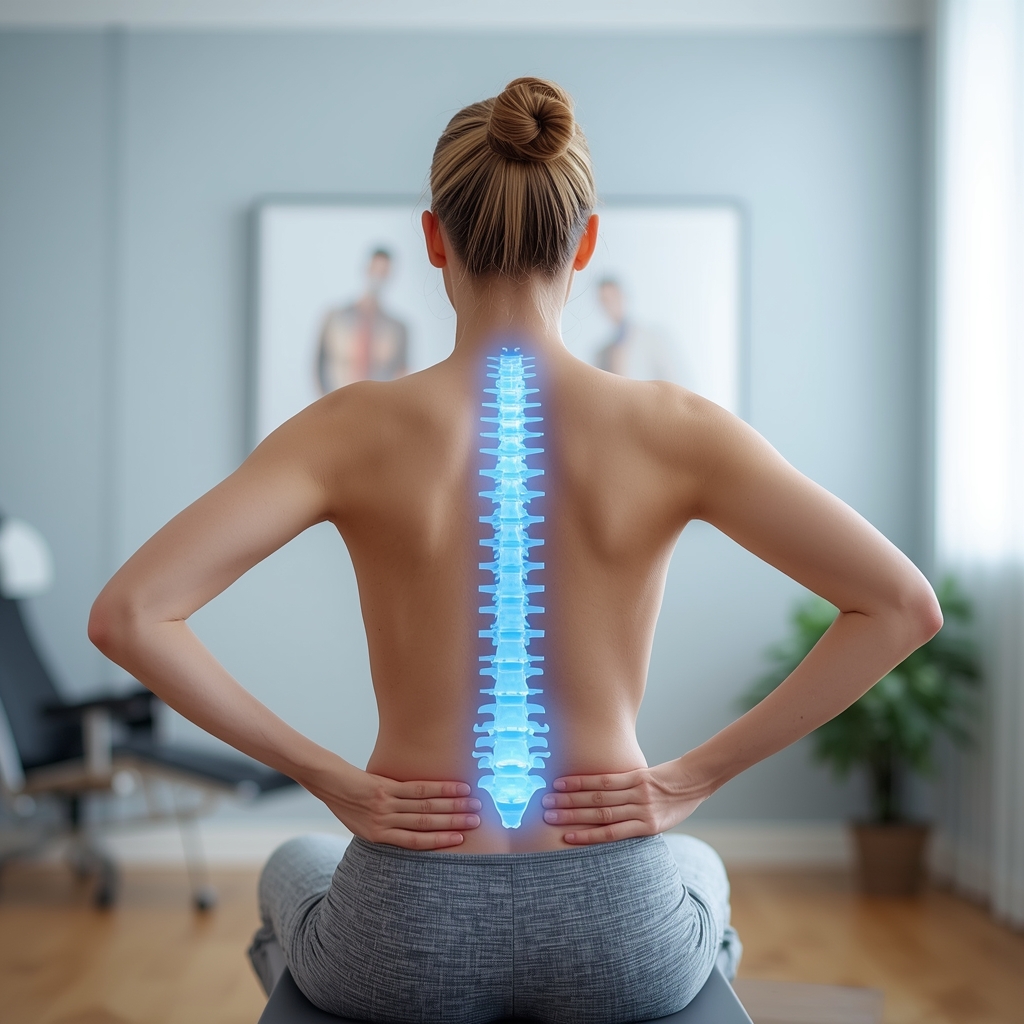
When combined with spinal adjustments, the Graston Technique can optimize recovery by addressing both structural and soft tissue components of musculoskeletal dysfunction. Spinal adjustments realign the spine to improve nerve function and reduce pain, while Graston targets tight muscles and scar tissue that may hinder proper alignment. For example, a patient with lower back pain might benefit from adjustments to correct spinal misalignments and Graston to release tension in the lumbar muscles. This dual approach can lead to faster pain relief and improved mobility. By reducing soft tissue restrictions, Graston may also enhance the longevity of spinal adjustment results, as fewer muscular imbalances can disrupt the spine’s stability. Chiropractors often use this combination to address complex cases where both structural and soft tissue factors contribute to discomfort.
Combining Therapies for Comprehensive Recovery
Integrating the Graston Technique with spinal adjustments creates a holistic approach to recovery by addressing multiple layers of musculoskeletal dysfunction. Soft tissue restrictions can cause compensatory patterns that strain the spine, making it harder for adjustments to provide lasting relief. By using Graston to break down adhesions and restore tissue elasticity, chiropractors can create a more favorable environment for spinal realignment. This synergy is particularly valuable for patients with chronic conditions or those recovering from injuries, as it promotes faster healing and reduces the risk of re-injury. Additionally, the technique may help alleviate referred pain by improving circulation and reducing inflammation in affected areas. Patients often report enhanced mobility and reduced discomfort when these therapies are used together, underscoring the importance of a multifaceted treatment strategy.
Safety and Considerations for Combined Treatments
While the Graston Technique is generally safe when performed by trained professionals, it is not suitable for all patients. Individuals with certain conditions, such as osteoporosis, open wounds, or acute inflammation, may need to avoid the technique or modify its application. When combined with spinal adjustments, careful assessment is crucial to ensure both therapies are appropriate for the patient’s specific needs. Chiropractors typically conduct thorough evaluations to identify contraindications and tailor treatment plans accordingly. Patients should communicate any discomfort during sessions, as the technique can sometimes cause temporary soreness. Regular follow-ups allow practitioners to monitor progress and adjust protocols as needed. As with any therapeutic intervention, the goal is to maximize benefits while minimizing risks through personalized care and professional guidance.
Conclusion: A Collaborative Approach to Musculoskeletal Health
The Graston Technique offers valuable support for patients seeking relief from soft tissue-related conditions, especially when used alongside spinal adjustments. By targeting restrictions that may interfere with spinal alignment and function, it enhances the effectiveness of chiropractic care. This combined approach addresses both the structural and mechanical aspects of musculoskeletal health, promoting faster recovery and long-term wellness. However, the success of these treatments depends on accurate diagnosis and individualized planning. Patients are encouraged to consult with licensed chiropractors to determine if the Graston Technique and spinal adjustments are appropriate for their specific condition. With proper application, this collaborative strategy can help many individuals achieve improved mobility, reduced pain, and a better quality of life.












