
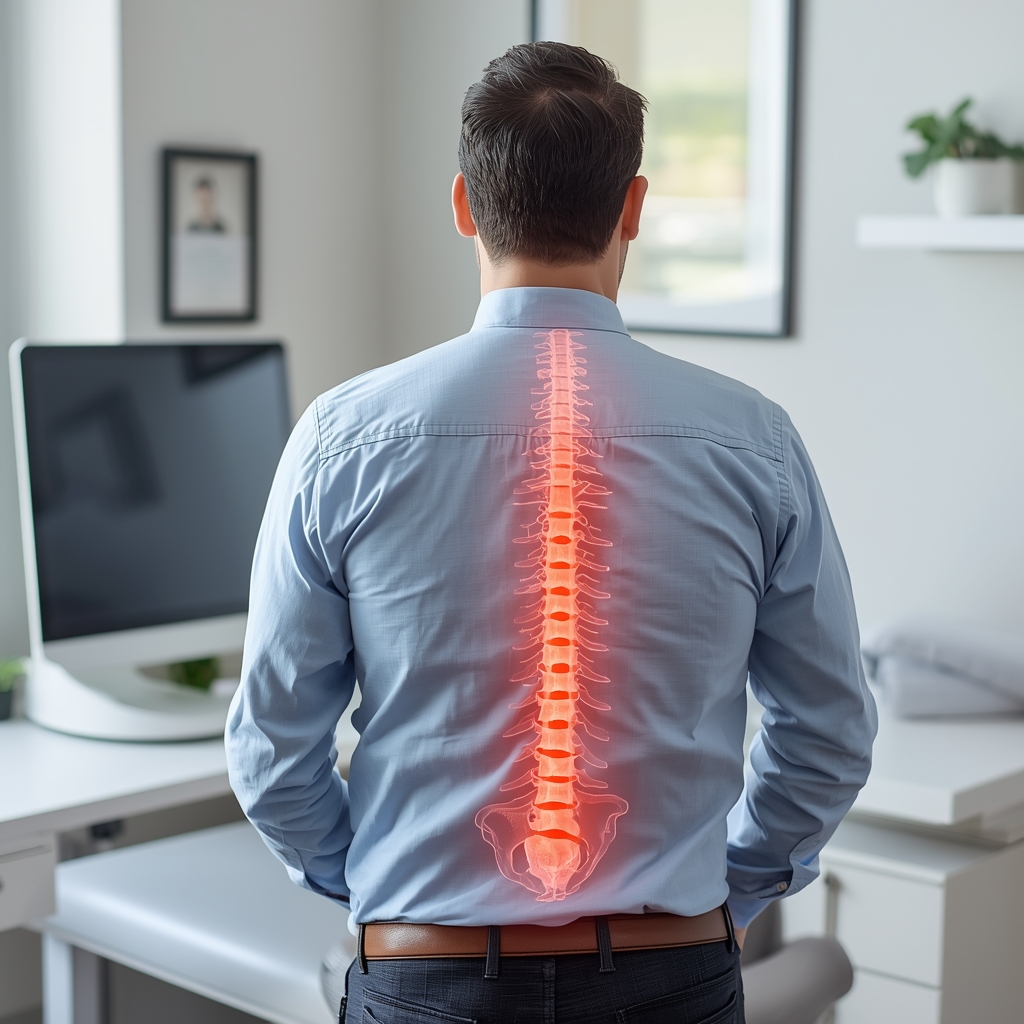
Understanding Delayed Onset Whiplash Symptoms
Whiplash injuries often present immediate pain and stiffness, but delayed onset symptoms can emerge hours or days after an auto accident. These may include persistent neck pain, headaches, dizziness, and even cognitive difficulties. The delayed nature of these symptoms can complicate diagnosis and treatment, as patients might not initially associate them with the accident. Chiropractic care plays a vital role in addressing these issues by focusing on spinal alignment, soft tissue recovery, and long-term rehabilitation. A chiropractor can evaluate the unique needs of each patient, ensuring that treatment plans are tailored to their specific condition and recovery goals.
Spinal Manipulation and Adjustments
Spinal manipulation, a cornerstone of chiropractic care, involves precise adjustments to realign the vertebrae and alleviate nerve pressure. This technique is particularly beneficial for whiplash patients, as it can reduce inflammation, improve mobility, and restore normal function to the cervical spine. By correcting misalignments, adjustments may help ease pain and prevent long-term complications. However, the effectiveness of this approach varies depending on the individual’s condition and the severity of the injury. Patients should consult a qualified chiropractor to determine if spinal manipulation is appropriate for their situation and to ensure safe, effective treatment.
Active Release Technique (ART)
Active Release Technique (ART) is a soft tissue therapy that targets muscle, tendon, and ligament issues caused by whiplash. This method involves applying pressure while the patient moves the affected area, breaking up scar tissue and restoring normal function. ART is especially useful for addressing the muscular tension and restricted movement that often accompany delayed onset symptoms. By improving flexibility and reducing pain, this technique can complement other chiropractic treatments. However, it is essential to seek a trained practitioner who specializes in ART to ensure proper application and avoid further injury. Many patients find ART beneficial as part of a comprehensive recovery plan.
Decompression Therapy for Chronic Pain Relief
Decompression therapy is a non-invasive treatment that gently stretches the spine to relieve pressure on discs and nerves. This technique is particularly effective for patients experiencing chronic pain or nerve-related symptoms from whiplash. By creating space between vertebrae, decompression therapy can reduce inflammation and promote healing in the affected areas. It is often used in conjunction with other chiropractic methods to enhance recovery outcomes. While decompression therapy is generally safe, it is crucial to work with a licensed chiropractor who can assess its suitability for individual cases. This approach is especially valuable for those seeking long-term care and relief from persistent symptoms.
Soft Tissue Therapies and Graston Technique
Soft tissue therapies, such as the Graston Technique, are designed to address muscle and connective tissue damage caused by whiplash. The Graston Technique uses specialized instruments to detect and treat areas of scar tissue or adhesions, improving mobility and reducing pain. These therapies are effective for managing delayed symptoms by restoring normal tissue function and preventing chronic issues. They can also enhance the effectiveness of other treatments by addressing underlying soft tissue imbalances. Patients should discuss these options with their chiropractor to determine if they align with their recovery goals. When performed correctly, soft tissue therapies can play a key role in a holistic approach to whiplash rehabilitation.
Long-Term Care and Personalized Treatment Plans
Recovery from delayed onset whiplash often requires ongoing care and a personalized treatment strategy. Chiropractors may develop customized plans that combine multiple techniques, such as adjustments, soft tissue work, and corrective exercises, to address both immediate and long-term needs. Regular follow-ups ensure that progress is monitored and adjustments are made as necessary. This proactive approach helps prevent recurring symptoms and supports overall spinal health. Patients should remain engaged in their care, communicating openly with their chiropractor to optimize outcomes. By prioritizing long-term wellness, chiropractic care can significantly improve quality of life for auto accident victims experiencing persistent whiplash symptoms.












