
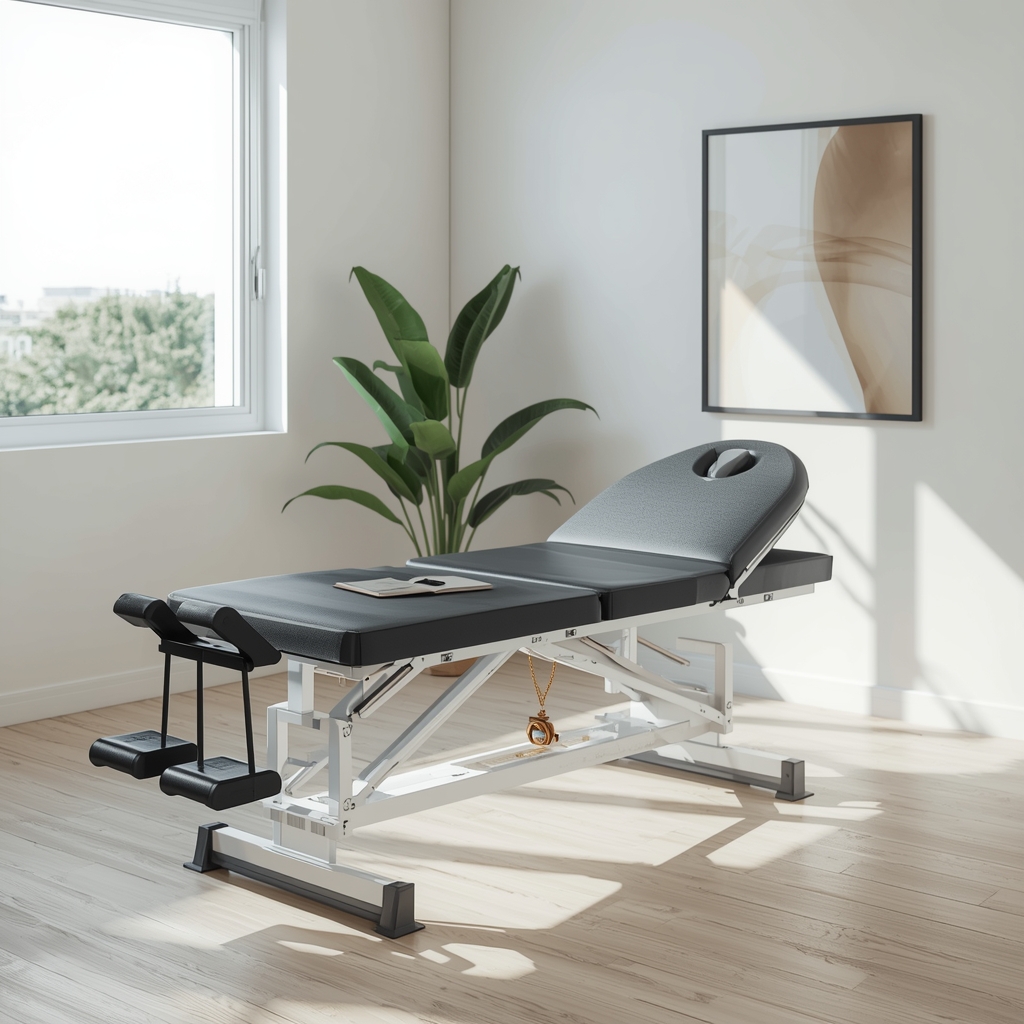
Understanding Spinal Adjusting Tables and Their Role in Chiropractic Care
Spinal adjusting tables are essential tools in chiropractic practice, designed to support patients during spinal manipulations and adjustments. These tables vary in design, from basic models to those with specialized features like drop pieces or segmented sections. Proper maintenance ensures their reliability, safety, and longevity, which is critical for both practitioners and patients. Neglecting upkeep can lead to mechanical failures, compromising treatment effectiveness and posing risks. Regular attention to these tables not only extends their lifespan but also maintains a professional environment. Understanding their function and the importance of care sets the foundation for effective maintenance protocols.
Daily Cleaning and Inspection Routines
Daily cleaning is a fundamental step in maintaining spinal adjusting tables. Wiping down surfaces with mild disinfectants removes dirt, oils, and potential contaminants, preventing wear and cross-contamination between patients. Inspecting the table for visible damage—such as cracks, loose bolts, or frayed upholstery—helps identify issues early. Pay attention to the padding, as it can degrade over time, affecting patient comfort and support. Checking the table’s base and legs for stability ensures it remains level and secure. These routine tasks, though simple, form the first line of defense against deterioration and are crucial for upholding hygiene standards and operational safety.
Mechanical Component Maintenance and Lubrication
Spinal adjusting tables often feature moving parts, such as hinges, levers, and drop mechanisms, which require regular maintenance. Lubricating these components with appropriate oils or greases reduces friction, preventing premature wear and ensuring smooth operation. Inspect joints and slides for signs of stiffness or misalignment, as these can affect the table’s functionality during adjustments. Tightening loose hardware, such as screws or brackets, is essential to maintain structural integrity. Over time, parts may degrade due to frequent use, so replacing worn components promptly is necessary. By prioritizing mechanical upkeep, chiropractors can avoid unexpected breakdowns and ensure consistent performance during patient treatments.
Electrical System Checks for Advanced Tables
Some modern spinal adjusting tables incorporate electrical components, such as motorized adjustments or integrated diagnostic tools. Regularly inspecting these systems for frayed wires, loose connections, or damaged outlets is critical to prevent malfunctions or electrical hazards. Test all electrical functions, including switches and sensors, to ensure they operate correctly. If the table has a power source, verify that it is properly grounded and that all safety protocols are followed. Avoid exposing electrical parts to moisture or excessive heat, which can cause damage. Keeping these systems in good condition not only prolongs the table’s life but also safeguards both practitioners and patients from potential risks.
Safety Checks for Stability and Weight Capacity
Ensuring the stability of a spinal adjusting table is vital for patient safety. Regularly test the table’s base to confirm it remains level and secure on various floor surfaces. Check that all legs or support structures are intact and that the table does not wobble or tilt unexpectedly. Adhering to the manufacturer’s weight capacity guidelines prevents overloading, which can strain the frame and lead to structural failure. If the table has adjustable sections, verify that they lock securely in place to avoid accidental movement during adjustments. These safety checks help maintain a stable environment, reducing the risk of injuries and ensuring the table performs reliably under normal use conditions.
Professional Servicing and Record-Keeping Practices
While daily and routine maintenance is essential, periodic professional servicing by qualified technicians ensures comprehensive care. Schedule inspections to address complex issues, such as internal mechanisms or electrical systems, that may require specialized expertise. Keep detailed records of all maintenance activities, including dates, tasks performed, and any parts replaced. This documentation helps track the table’s condition over time and provides a reference for future servicing. Following the manufacturer’s recommended maintenance schedule is crucial, as deviations can void warranties or compromise safety. By combining regular upkeep with professional oversight, chiropractors can maximize the lifespan of their equipment and maintain a reliable, safe practice environment.













