
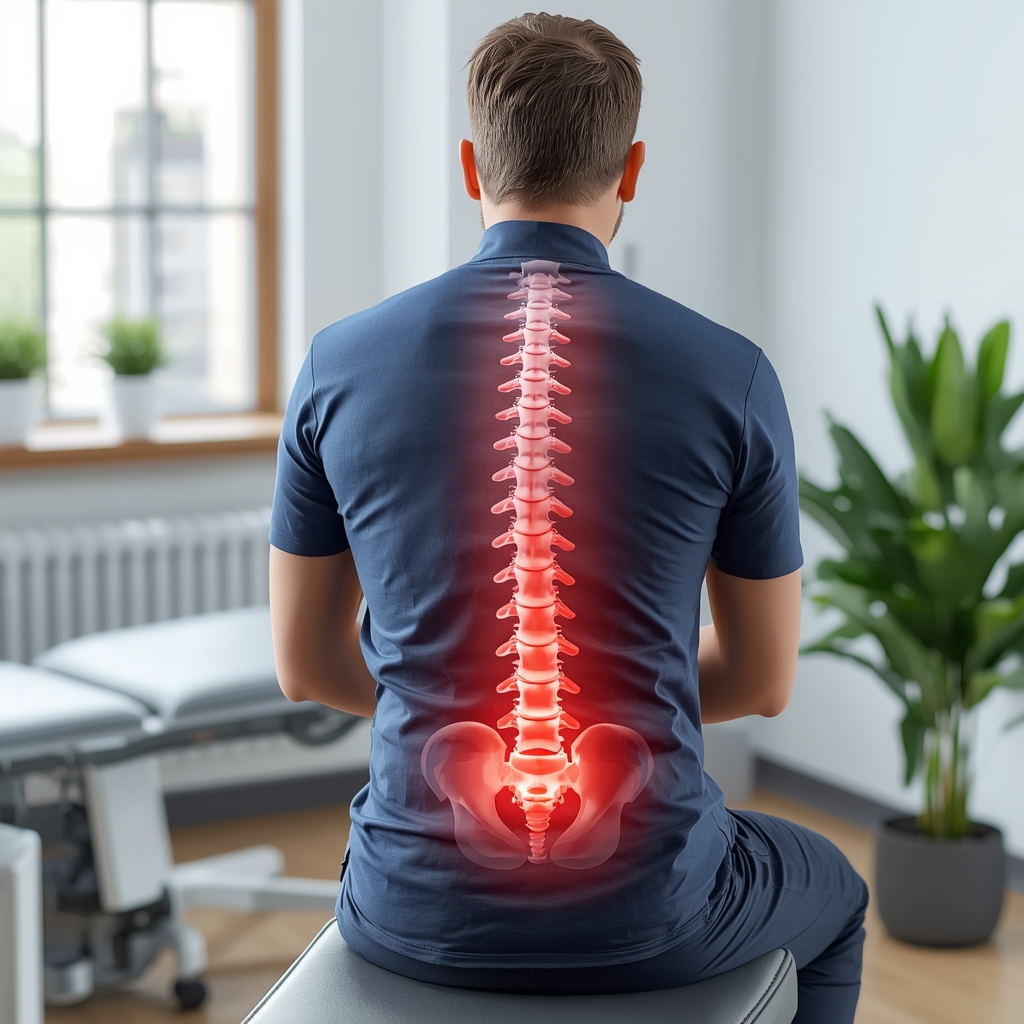
Understanding Lumbar Degenerative Disc Disease and Chiropractic Care
Lumbar degenerative disc disease involves the gradual breakdown of discs in the lower spine, often causing pain, stiffness, and reduced mobility. While not always painful, it can significantly impact daily life. Chiropractic care focuses on non-surgical interventions to manage symptoms, emphasizing alignment, mobility, and natural healing. Techniques aim to alleviate pressure on nerves, improve joint function, and enhance overall spinal health. Patients often seek chiropractic support to avoid invasive procedures, making it a popular choice for those prioritizing conservative treatment options.
Spinal Manipulation and Adjustments
Spinal manipulation, a cornerstone of chiropractic care, involves targeted adjustments to restore proper alignment and function to the spine. For lumbar degenerative disc disease, this technique can reduce nerve irritation and improve mobility. By gently realigning vertebrae, chiropractors may decrease inflammation and ease pressure on affected discs. While results vary, many patients report reduced pain and improved flexibility. It is crucial to note that adjustments are tailored to individual needs, and a qualified chiropractor will assess suitability based on the patient’s condition and medical history.
Soft Tissue Therapy and Myofascial Release
Soft tissue therapy addresses muscle tension and fascial restrictions that can exacerbate disc-related pain. Techniques like myofascial release and trigger point therapy help relax tight muscles surrounding the spine, reducing strain on degenerated discs. This approach complements spinal adjustments by improving circulation and promoting healing. Patients often experience relief from stiffness and discomfort, though outcomes depend on the severity of the condition. Combining soft tissue work with other therapies may enhance overall effectiveness, making it a valuable component of a comprehensive care plan.
Decompression Therapy and Mechanical Traction
Decompression therapy uses mechanical traction to gently stretch the spine, creating space between vertebrae and relieving pressure on discs and nerves. This non-invasive method is often used for patients with herniated or bulging discs, which can accompany degenerative changes. By reducing compression, decompression may alleviate pain and improve mobility. While not a standalone solution, it is frequently integrated with other chiropractic techniques. As with all treatments, a chiropractor will evaluate its appropriateness based on the patient’s specific diagnosis and goals.
Exercise and Rehabilitation Strategies
Customized exercise programs are essential for strengthening core muscles, improving posture, and supporting spinal stability. Chiropractors often recommend low-impact exercises like yoga, swimming, or specific corrective movements to enhance mobility without aggravating the condition. These strategies help distribute pressure evenly across the spine, reducing strain on degenerated discs. Consistency is key, and patients are encouraged to follow a structured regimen under professional guidance. Combining exercise with manual therapies can optimize outcomes, fostering long-term pain management and functional improvement.
Adjunctive Therapies and Holistic Approaches
Chiropractors may incorporate adjunctive therapies such as cold laser treatment, electrical stimulation, or heat therapy to manage pain and inflammation. These modalities can enhance the effects of manual treatments and provide additional relief. Lifestyle modifications, including ergonomic adjustments and weight management, also play a role in supporting spinal health. While these approaches are not substitutes for primary care, they can complement chiropractic interventions. Patients should discuss all treatment options with their chiropractor to create a personalized, holistic plan tailored to their needs.














