
Understanding Post-Concussion Syndrome in High School Athletes
Post-concussion syndrome (PCS) refers to a set of symptoms that persist after a mild traumatic brain injury, such as a concussion. In high school athletes, these symptoms may include headaches, dizziness, fatigue, difficulty concentrating, and mood changes. While most athletes recover within days to weeks, some experience prolonged effects that can impact their daily lives and athletic performance. Chiropractic care may offer supportive strategies to address PCS by focusing on the nervous system, musculoskeletal alignment, and overall wellness. It is important to note that chiropractic techniques should complement, not replace, standard medical care for concussions. A qualified chiropractor can assess individual needs and collaborate with healthcare providers to develop a holistic approach.
Spinal Adjustments and Nervous System Function
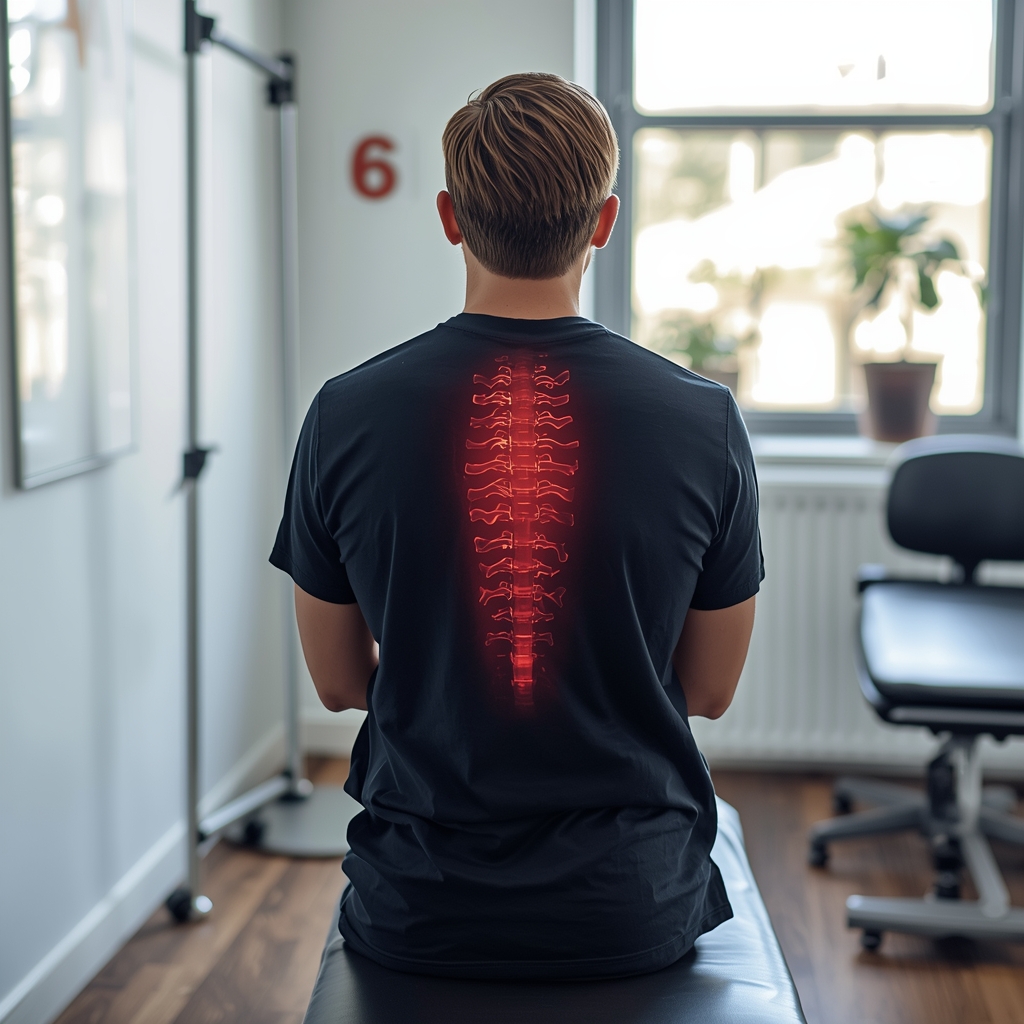
Spinal adjustments, a core component of chiropractic care, aim to restore proper alignment of the spine, which may indirectly support nervous system function. The spine houses and protects the spinal cord, a critical pathway for nerve signals between the brain and body. Misalignments, or subluxations, may theoretically disrupt this communication, potentially exacerbating PCS symptoms. By correcting these imbalances, chiropractors may help reduce stress on the nervous system, promoting better overall function. While research on spinal adjustments specifically for PCS is limited, many practitioners report improvements in symptoms like dizziness and headaches following treatment. Athletes often find these adjustments comforting, as they address physical stressors that may contribute to prolonged recovery.
Soft Tissue Techniques for Symptom Relief
Soft tissue therapies, such as myofascial release and trigger point therapy, target muscles, tendons, and ligaments to alleviate tension and improve mobility. These techniques can be particularly beneficial for high school athletes experiencing neck pain, muscle stiffness, or headaches following a concussion. By reducing physical discomfort, soft tissue work may indirectly support the body’s natural healing processes. Chiropractors may also use techniques like Active Release Technique (ART) to address scar tissue and adhesions that develop after injury. While these methods are not a cure for PCS, they can enhance comfort and facilitate return to activity. Athletes and their families should discuss these options with a chiropractor to determine if they align with their overall care plan.
Vestibular Rehabilitation and Balance Training
The vestibular system, responsible for balance and spatial orientation, is often affected by concussions. Chiropractors may incorporate vestibular rehabilitation exercises to help athletes regain stability and reduce dizziness. These exercises, tailored to individual needs, focus on retraining the brain to process balance signals correctly. Techniques may include gaze stabilization, balance challenges, and movement-based therapies. While primarily associated with physical therapy, some chiropractors integrate these approaches into their practice. For high school athletes, regaining balance is crucial for returning to sports safely. It is essential to work with a provider experienced in both chiropractic care and vestibular rehabilitation to ensure safe, effective interventions.
Neurological Assessments and Personalized Care
Chiropractors trained in neurological evaluations may use specialized tests to assess how a concussion affects the nervous system. These assessments can identify areas of dysfunction, such as impaired coordination or sensory processing, and guide treatment decisions. Personalized care plans may combine spinal adjustments, soft tissue work, and lifestyle recommendations to address unique symptoms. For high school athletes, this individualized approach is vital, as recovery timelines and challenges vary. Chiropractors may also monitor progress over time, adjusting techniques as needed. While not a substitute for medical diagnosis, these assessments can provide valuable insights into the body’s response to injury and treatment.
Integrating Chiropractic Care with Other Therapies
Effective management of post-concussion syndrome often requires a multidisciplinary approach. Chiropractic care may be part of a broader strategy that includes medical evaluations, physical therapy, and cognitive rest. For example, a chiropractor might collaborate with a sports medicine physician to ensure treatments align with clinical guidelines. Athletes may also benefit from nutritional support, sleep hygiene, and stress management techniques. Chiropractors can help coordinate these efforts, ensuring a cohesive plan that supports recovery. Open communication between all healthcare providers is key to optimizing outcomes. High school athletes and their families should discuss all treatment options with qualified professionals to make informed decisions about their care.














