
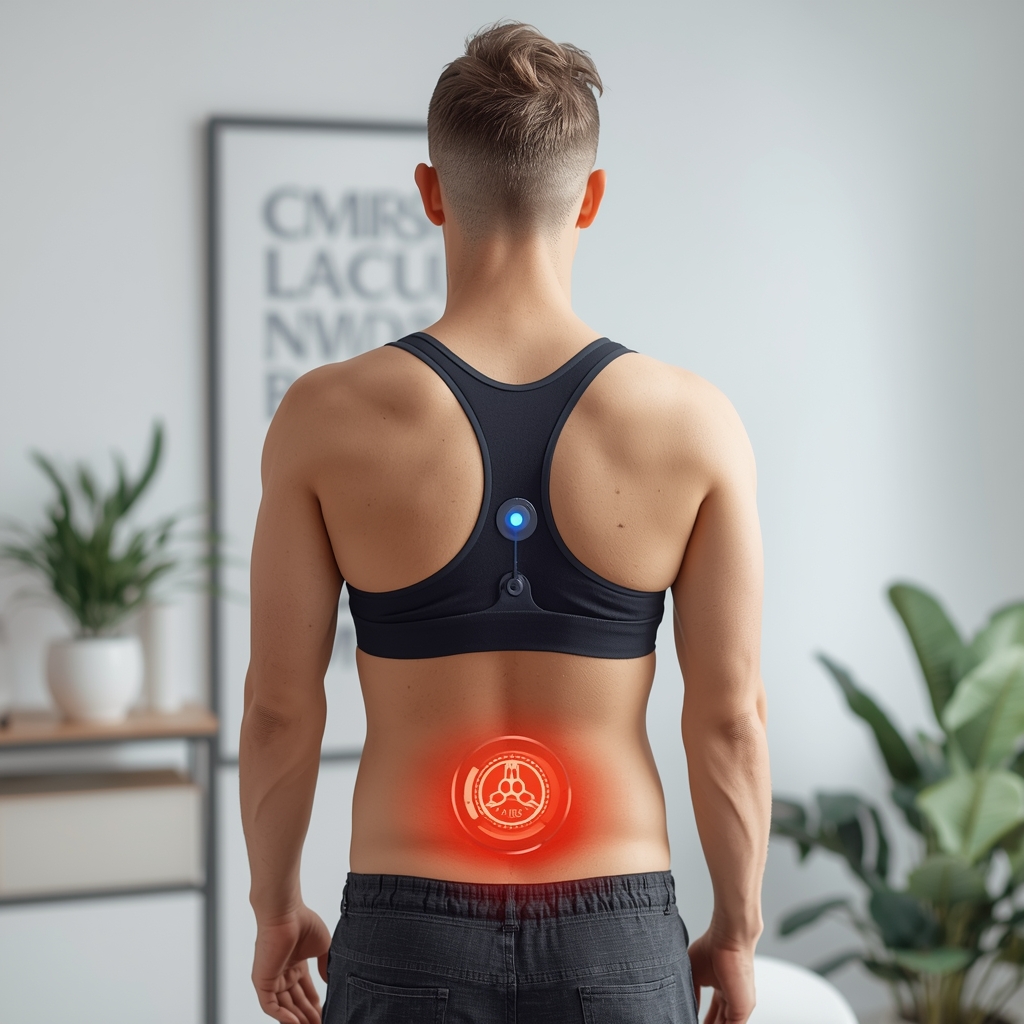
Understanding TENS Units for Chronic Lower Back Pain
TENS (Transcutaneous Electrical Nerve Stimulation) units are non-invasive devices that deliver low-voltage electrical currents to the body through electrode pads. They are commonly used to manage pain by stimulating nerves and potentially blocking pain signals. For chronic lower back pain, TENS therapy may offer a drug-free alternative to traditional treatments. While research on its effectiveness varies, many users report temporary relief. It is important to note that TENS units should not replace professional medical advice but can complement other therapies. Always consult a qualified healthcare provider before starting any new treatment regimen.
The Science Behind TENS and Pain Relief
The exact mechanism of TENS is not fully understood, but it is believed to work through the “gate control theory” of pain, where electrical stimulation interferes with pain signals traveling to the brain. Additionally, TENS may promote the release of endorphins, the body’s natural painkillers. For chronic lower back pain, this dual action could help reduce discomfort and improve mobility. However, results vary among individuals, and factors like electrode placement, settings, and duration of use influence outcomes. While TENS is generally safe, it is not a cure for underlying conditions. Its role is typically as an adjunct therapy, not a standalone solution.
General Guidelines for TENS Unit Settings
Optimal TENS settings for chronic lower back pain often involve adjusting frequency, pulse width, and intensity. A common starting point is a moderate frequency (e.g., 50-100 Hz) to target sensory nerves, paired with a low to medium intensity that feels tingling but not painful. Pulse width (the duration of each electrical pulse) is typically set between 50-200 microseconds. Electrode placement is critical—positioning pads around the affected area, avoiding bony prominences or sensitive regions. Sessions usually last 15-30 minutes, with breaks between uses. These guidelines are general, and individual needs may require adjustments under professional guidance.
Personalizing TENS Settings for Individual Needs
Each person’s pain threshold and response to TENS therapy differ, making personalization essential. Factors such as pain intensity, muscle tension, and skin sensitivity influence optimal settings. For instance, higher frequencies may suit acute pain, while lower frequencies might be better for chronic conditions. Users should start with the lowest effective intensity and gradually increase as tolerated. It is also important to monitor for skin irritation or discomfort, which may indicate improper placement or settings. Regular communication with a healthcare provider ensures adjustments align with overall treatment goals, avoiding overuse or dependency on the device.
Safety Considerations and Precautions
While TENS units are generally safe, certain precautions are necessary. Avoid using them on broken or irritated skin, over the eyes, or on the neck without professional guidance. Individuals with pacemakers, pregnancy, or certain neurological conditions should consult a doctor before use. Overuse or improper settings can lead to skin burns or muscle spasms. Always follow the manufacturer’s instructions and discontinue use if adverse reactions occur. TENS should not be used as a substitute for medical evaluation, especially if pain persists or worsens. Combining TENS with other therapies, like chiropractic care, may enhance outcomes while minimizing risks.
When to Seek Professional Guidance
Although TENS units can provide temporary relief, they are not a long-term solution for chronic lower back pain. Persistent or worsening pain may indicate an underlying issue requiring professional intervention. A chiropractor can assess the root cause of discomfort and recommend complementary treatments, such as spinal adjustments, physical therapy, or lifestyle modifications. They can also guide proper TENS use, ensuring it aligns with a comprehensive care plan. Never rely solely on TENS without addressing potential structural or musculoskeletal imbalances. Regular check-ins with a healthcare provider help ensure safe, effective, and tailored pain management strategies.














