
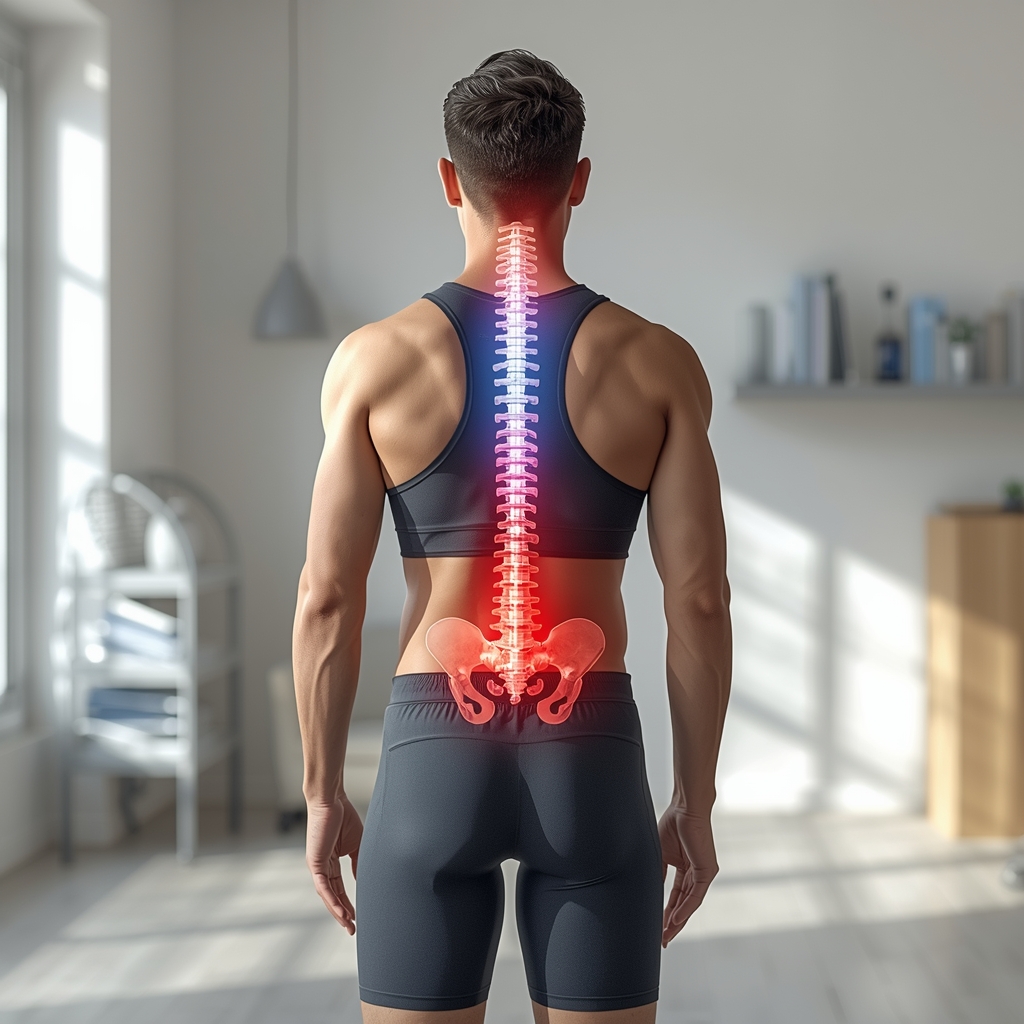
Understanding ITBS in Athletes
Iliotibial band syndrome (ITBS) is a common overuse injury affecting runners and cyclists, caused by friction between the iliotibial band and the femur. This condition often results from biomechanical imbalances, such as hip weakness, poor foot mechanics, or improper training techniques. Athletes may experience pain on the outer knee or thigh, limiting performance and causing discomfort during activity. Chiropractic care focuses on addressing these underlying issues rather than just managing symptoms. By identifying and correcting misalignments or muscle dysfunctions, chiropractors help restore balance and reduce strain on the IT band. This approach is particularly valuable for athletes seeking long-term solutions without invasive interventions.
Active Release Technique (ART)
Active Release Technique (ART) is a targeted soft tissue therapy used to treat ITBS by breaking down scar tissue and adhesions in the iliotibial band. Chiropractors use their hands to apply pressure while the patient moves, restoring normal tissue function and flexibility. This technique is especially effective for athletes, as it addresses the repetitive strain that contributes to ITBS. By improving the IT band’s mobility, ART reduces friction and alleviates pain. Many athletes report faster recovery times and improved performance after ART sessions. However, results vary, and it’s important to work with a licensed provider to ensure proper application. ART is often combined with other therapies to address the root causes of biomechanical imbalances.
Graston Technique and Instrument-Assisted Therapy
The Graston Technique uses specialized tools to detect and treat soft tissue restrictions in the IT band and surrounding muscles. This method enhances traditional massage by identifying areas of adhesion and promoting healing through controlled micro-trauma. For runners and cyclists, this can reduce tension and improve range of motion. Instrument-assisted therapy also stimulates blood flow, accelerating recovery. Chiropractors tailor these sessions to the athlete’s needs, focusing on high-friction zones that contribute to ITBS. While not a standalone solution, the Graston Technique complements other chiropractic approaches. Athletes often notice reduced pain and increased flexibility after consistent treatment. As with any therapy, individual results depend on the severity of the condition and adherence to a comprehensive care plan.
Soft Tissue Therapy and Myofascial Release
Soft tissue therapy, including myofascial release, targets tightness and restrictions in the IT band and adjacent muscles. Chiropractors use manual pressure, stretching, and specialized techniques to relieve tension and restore normal function. This approach is critical for athletes, as tightness in the hip flexors, glutes, or hamstrings can exacerbate ITBS. By addressing these imbalances, soft tissue therapy reduces strain on the IT band and prevents future injuries. Many athletes find that regular sessions improve flexibility and reduce pain. However, it’s most effective when integrated with other treatments, such as corrective exercises or biomechanical assessments. Consistency is key, as chronic ITBS may require ongoing care to maintain relief and optimize performance.
Biomechanical Assessments and Adjustments
Chiropractors perform detailed biomechanical assessments to identify misalignments or dysfunctions contributing to ITBS. This may involve evaluating gait patterns, joint mobility, and muscle strength. Adjustments to the pelvis, hips, or lower back can correct imbalances that strain the IT band. For example, a misaligned sacroiliac joint may alter movement patterns, increasing friction on the IT band. By restoring proper alignment, chiropractors help reduce pain and prevent recurrence. These assessments are tailored to the athlete’s specific needs, ensuring a personalized approach. Combining adjustments with soft tissue work and exercise recommendations maximizes effectiveness. Athletes are encouraged to discuss their training routines to address factors like footwear or training surfaces that may contribute to ITBS.
Integrating Chiropractic Care with Training
Chiropractic care for ITBS is most effective when integrated with an athlete’s training regimen. Chiropractors may recommend corrective exercises to strengthen weak muscles, such as the glutes or hip abductors, which support the IT band. They also advise on proper warm-up routines and movement mechanics to reduce strain. Athletes should communicate with their chiropractor about training intensity and goals to adjust care plans accordingly. While chiropractic techniques address physical imbalances, lifestyle factors like sleep, nutrition, and recovery also play a role in healing. A holistic approach ensures long-term relief and improved performance. Always consult a licensed chiropractor to determine the best strategies for your specific condition and athletic needs.













