
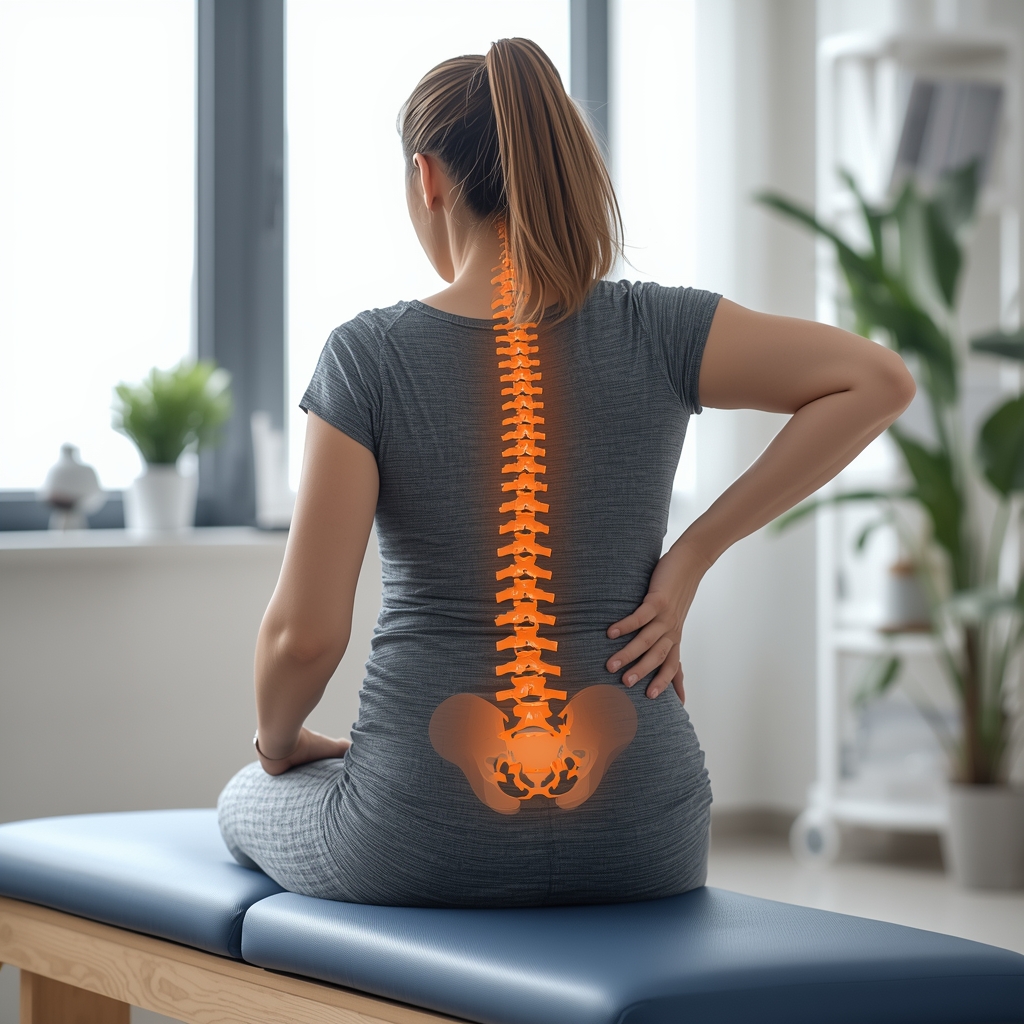
Understanding Sacroiliac Joint Dysfunction in Pregnancy
Sacroiliac joint dysfunction (SIJD) occurs when the joints connecting the sacrum to the pelvis become misaligned or inflamed, causing pain and instability. During pregnancy, hormonal changes and shifting weight distribution increase stress on these joints, making SIJD a common concern. Symptoms often include lower back pain, hip discomfort, and difficulty with movement. Chiropractic care offers non-invasive solutions to address these issues, focusing on restoring balance and function. For pregnant women, gentle, pregnancy-specific techniques are essential to ensure safety and effectiveness. By targeting the root causes of SIJD, chiropractors can help alleviate pain and improve overall mobility, supporting a healthier pregnancy journey.
Common Chiropractic Techniques for SIJD in Pregnant Women
Chiropractors use specialized techniques to address SIJD in pregnant patients, prioritizing safety and comfort. The Webster Technique, for example, involves gentle adjustments to the sacrum and pelvis, aiming to reduce pressure on the SI joints and improve alignment. Pelvic blocking, another method, uses wedges or pillows to stabilize the pelvis during adjustments, minimizing strain. Soft tissue therapies, such as myofascial release, may also be employed to ease muscle tension around the joints. These approaches avoid high-velocity manipulations, focusing instead on low-force, patient-centered care. By tailoring treatments to the unique needs of pregnant women, chiropractors can effectively manage SIJD while supporting the body’s natural adaptations during pregnancy.
How These Techniques Improve Pelvic Stability
Chiropractic adjustments for SIJD in pregnancy work by restoring proper alignment of the pelvis, which enhances stability and reduces pain. When the sacroiliac joints are properly positioned, they distribute weight more evenly, decreasing pressure on surrounding muscles and ligaments. This improved alignment also supports the growing uterus, reducing strain on the lower back and hips. Techniques like the Webster Technique may also help balance the pelvis, which can alleviate discomfort during daily activities and labor. By addressing biomechanical imbalances, these methods promote better posture and movement patterns, fostering a more comfortable pregnancy. Additionally, stable pelvis function can contribute to smoother labor and delivery, highlighting the long-term benefits of targeted chiropractic care.
Safety Considerations for Prenatal Chiropractic Care
Ensuring the safety of both mother and baby is paramount when treating SIJD during pregnancy. Chiropractors specializing in prenatal care use modified techniques, avoiding direct pressure on the abdomen and opting for gentle, low-force adjustments. They may also incorporate supportive tools, such as pregnancy-specific tables or cushions, to enhance comfort. It’s crucial for patients to seek care from licensed professionals with experience in obstetric chiropractic care. Regular communication with an obstetrician is also recommended to coordinate care and address any concerns. By prioritizing safety and individualized treatment plans, chiropractic interventions can effectively manage SIJD while minimizing risks. This collaborative approach ensures that pregnant women receive the support they need to maintain mobility and comfort throughout their pregnancy.
Patient Experiences and Outcomes
Many pregnant women report significant relief from SIJD through chiropractic care, though experiences vary based on individual needs and treatment approaches. Patients often describe reduced pain, improved mobility, and greater comfort during daily activities. Some note that adjustments help ease the physical strain of pregnancy, allowing them to maintain an active lifestyle. While specific outcomes depend on factors like the severity of SIJD and overall health, consistent care can lead to lasting benefits. It’s important to recognize that results may not be immediate and require ongoing support. As with any treatment, open dialogue with a chiropractor ensures that care remains aligned with personal goals and comfort levels. These positive experiences underscore the value of chiropractic care as a complementary approach to managing pregnancy-related musculoskeletal challenges.
Conclusion and Recommendations
Chiropractic care offers a safe and effective way to address sacroiliac joint dysfunction in pregnant women, focusing on alignment, stability, and comfort. Techniques like the Webster Technique and pelvic blocking are tailored to meet the unique needs of pregnancy, promoting optimal pelvic function. While individual results may vary, many patients find relief from pain and improved mobility through consistent care. It’s essential to consult a qualified chiropractor with experience in prenatal treatment to ensure safety and effectiveness. By integrating chiropractic care into their prenatal routine, women can better manage SIJD and support their overall well-being. Always discuss any concerns with a healthcare provider to create a comprehensive care plan that prioritizes both maternal and fetal health.














