
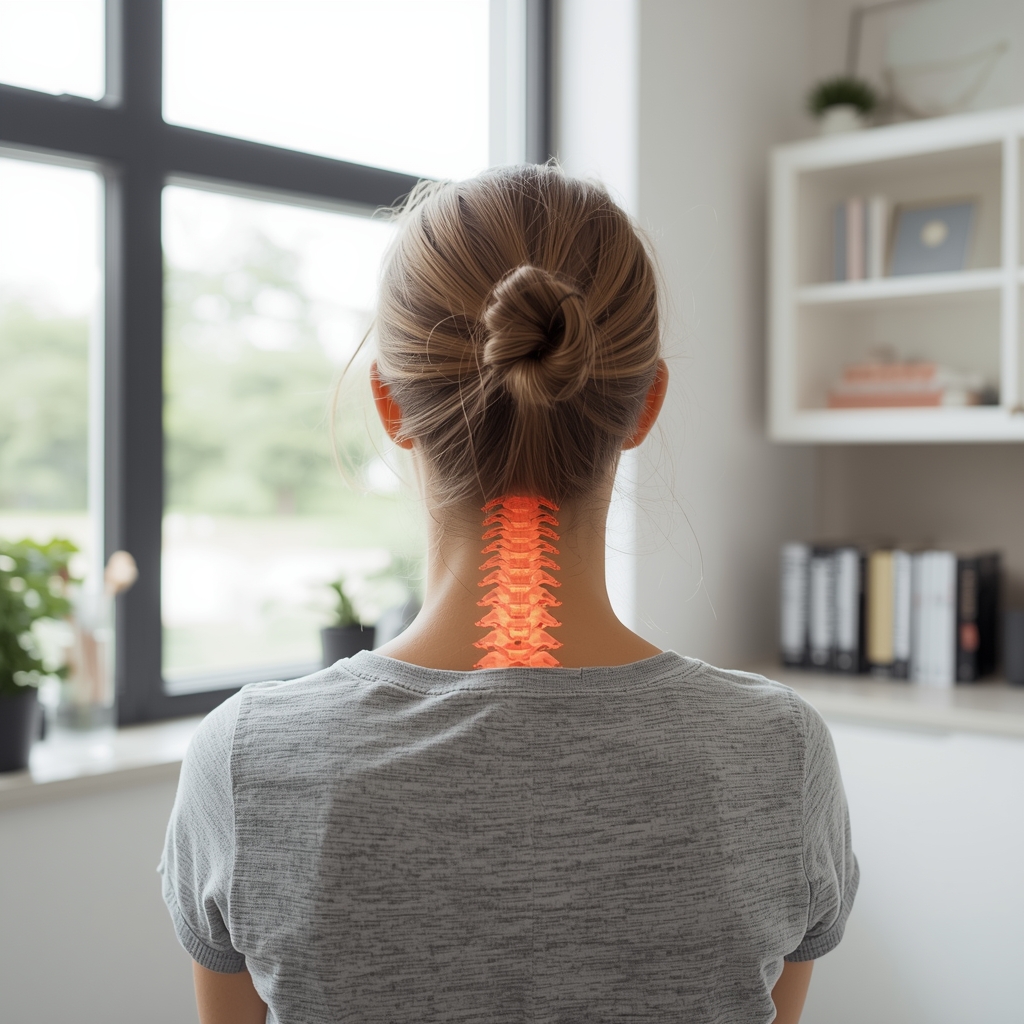
The Connection Between Cervical Spine Alignment and TMJ Function
The cervical spine, or neck, plays a critical role in overall musculoskeletal health, and its alignment can directly influence temporomandibular joint (TMJ) function. Misalignments in the cervical vertebrae may alter nerve pathways and muscle tension patterns, potentially contributing to jaw discomfort. For example, restricted movement in the upper cervical spine could lead to compensatory postures that strain the jaw muscles. While research on this relationship is ongoing, many chiropractors observe that addressing cervical spine issues often improves TMJ symptoms. This connection underscores the importance of a holistic approach to jaw dysfunction, considering both local and systemic factors.
How Cervical Spine Manipulation May Help TMJ Disorders
Cervical spine manipulation, a common chiropractic technique, involves gentle adjustments to restore proper alignment and mobility in the neck. By reducing nerve irritation and muscle tension in the cervical region, these adjustments may indirectly alleviate stress on the TMJ. For instance, correcting a misaligned vertebra could ease referred pain to the jaw area or improve blood flow to surrounding tissues. However, the effectiveness of this approach varies among individuals, and it is typically part of a broader treatment plan. Patients often report reduced jaw pain and improved range of motion after consistent care, though results depend on the underlying causes of their TMJ disorder.
Postural Corrections and Their Impact on Jaw Strain
Poor posture, particularly forward head posture, can place excessive strain on the muscles and joints of the neck and jaw. When the head shifts forward, it increases the workload on the cervical spine and may force the jaw into an unnatural position, exacerbating TMJ symptoms. Correcting postural habits through targeted exercises, ergonomic adjustments, and manual therapies can help redistribute forces across the musculoskeletal system. For example, strengthening the neck and upper back muscles may reduce compensatory tension in the jaw. While postural corrections alone may not resolve TMJ issues, they often complement other treatments by addressing contributing factors.
Integrating Cervical Care and Posture Adjustments for Comprehensive Relief
A multidisciplinary approach that combines cervical spine manipulation with postural retraining may offer more effective relief for TMJ disorders than either method alone. Chiropractors often assess a patient’s overall biomechanics, identifying how cervical misalignments and poor posture interact to create jaw dysfunction. For instance, a patient with a hyperlordotic neck curve might benefit from both spinal adjustments and exercises to strengthen core and postural muscles. This integrated strategy aims to restore balance to the body’s mechanical systems, reducing strain on the TMJ. However, individualized evaluations are essential, as the root causes of TMJ issues can vary widely among patients.
Lifestyle Factors That Influence TMJ and Cervical Health
Beyond physical adjustments, lifestyle choices can significantly impact TMJ and cervical spine health. Habits such as chewing gum, clenching the jaw, or sleeping in awkward positions may worsen symptoms, while stress management techniques like mindfulness or yoga could provide relief. Ergonomic adjustments at work, such as proper monitor height or keyboard positioning, also play a role in maintaining good posture and reducing strain. Patients are often encouraged to adopt these practices alongside professional care. However, it is important to note that lifestyle changes should not replace medical evaluation but rather support a comprehensive treatment plan tailored to individual needs.
When to Seek Professional Guidance for TMJ and Postural Issues
If TMJ symptoms persist or worsen, consulting a qualified healthcare provider is crucial. Chiropractors, dentists, and physical therapists can collaborate to address both cervical spine and postural contributors to jaw dysfunction. A thorough assessment may reveal underlying issues such as disc displacement, arthritis, or neuromuscular imbalances that require specialized care. While cervical manipulation and posture corrections can be beneficial, they are not universally applicable. Patients should work with professionals to develop a personalized plan that considers their unique anatomy, lifestyle, and symptoms. Early intervention often leads to better outcomes, making it essential to seek guidance rather than relying solely on self-treatment.













