
Understanding ITBS in Non-Athletes
Iliotibial band syndrome (ITBS) is a common source of lateral knee pain, often associated with repetitive motion. While frequently linked to athletes like runners, non-athletes can also develop ITBS from activities involving prolonged standing, walking, or repetitive lower-body movements. The iliotibial band, a thick band of fascia running along the thigh, becomes inflamed or irritated, leading to discomfort. For non-athletes, daily tasks such as climbing stairs, gardening, or even improper ergonomics at work may contribute. Understanding the condition’s triggers is key to effective management, as it often involves addressing biomechanical imbalances rather than just symptom relief.
Spinal Adjustments and Alignment
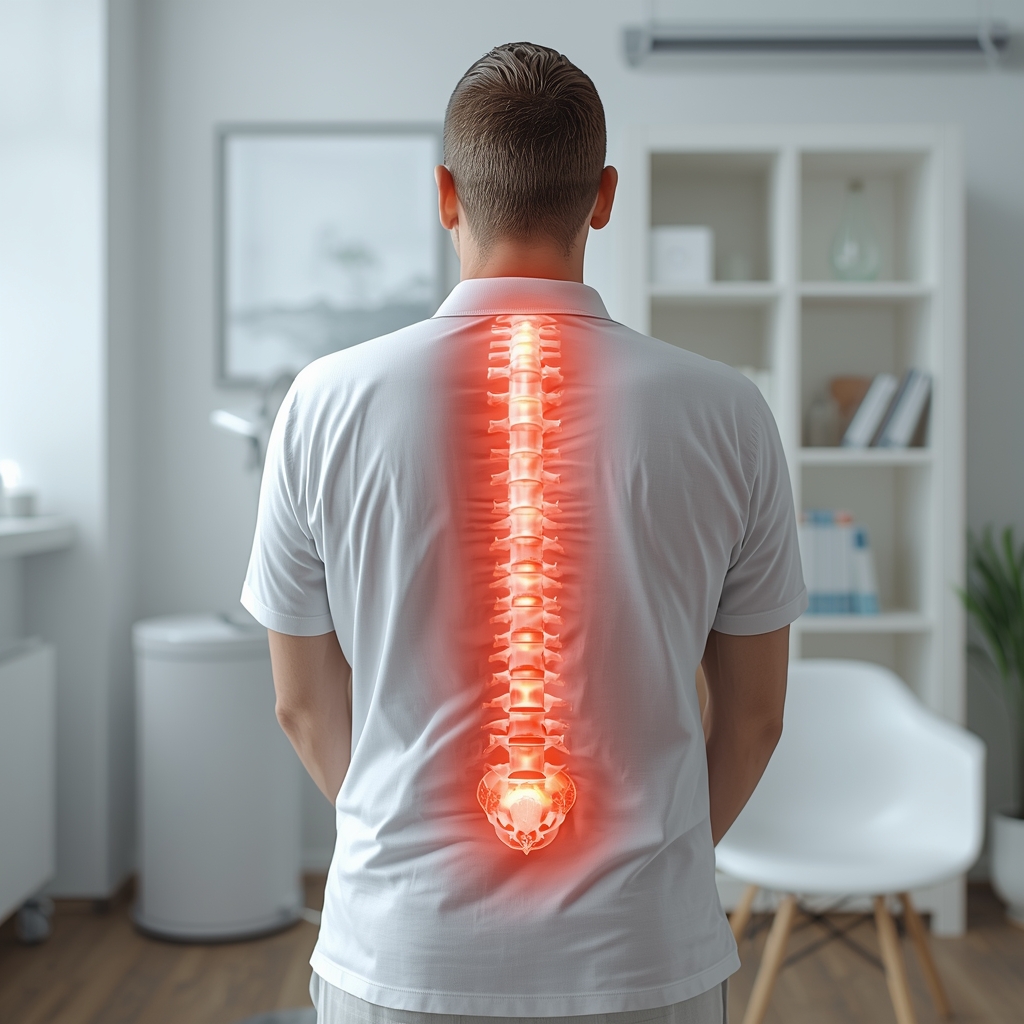
Chiropractic care for ITBS often focuses on spinal adjustments to correct misalignments that may contribute to biomechanical stress. The spine’s role in posture and movement patterns means even minor shifts in the pelvis or lower back can alter how the iliotibial band functions. Adjustments aim to restore proper alignment, reducing strain on the band and surrounding tissues. This approach is particularly valuable for non-athletes whose daily routines may involve static postures or uneven weight distribution. By addressing these imbalances, chiropractors help the body move more efficiently, potentially alleviating pain and preventing further irritation.
Soft Tissue Therapies
Soft tissue therapies are a cornerstone of chiropractic treatment for ITBS, targeting the fascia and muscles around the iliotibial band. Techniques like myofascial release, Active Release Technique (ART), and massage help reduce tension and improve flexibility. These methods can break up adhesions and restore normal tissue function, which is critical for non-athletes whose ITBS may stem from overuse or poor movement habits. Chiropractors may also use instruments or manual pressure to address tightness in the hip and thigh areas. By alleviating soft tissue restrictions, these therapies support the body’s natural healing processes and enhance mobility without invasive interventions.
Corrective Exercises and Stretching
Customized corrective exercises are essential for long-term ITBS management, especially for non-athletes with sedentary or repetitive lifestyles. Chiropractors often recommend stretches and strengthening routines to address muscle imbalances, such as tight hip flexors or weak glutes, which can exacerbate ITBS. Low-impact exercises like hip abductions, clamshells, and side-lying leg lifts help stabilize the pelvis and reduce strain on the iliotibial band. These movements are designed to be integrated into daily routines, making them accessible for people with busy schedules. Consistent practice can improve biomechanics, prevent recurrence, and enhance overall functional mobility.
Lifestyle and Ergonomic Modifications
Non-athletes with ITBS often benefit from adjustments to their daily habits and environment. Chiropractors may advise on ergonomic changes, such as using proper footwear, adjusting chair height, or taking regular movement breaks during prolonged sitting. Addressing gait patterns or posture issues can also reduce stress on the iliotibial band. For example, correcting a forward-leaning posture or uneven weight distribution may alleviate symptoms. These modifications are tailored to individual lifestyles, ensuring practical solutions that fit seamlessly into everyday activities. Combining these changes with chiropractic care can create a holistic approach to recovery and prevention.
Collaborating with a Chiropractor
Effective ITBS management requires personalized care, as each individual’s condition and lifestyle differ. Chiropractors evaluate factors like movement patterns, muscle strength, and daily activities to develop a targeted plan. Non-athletes should discuss their specific routines—whether work-related, household tasks, or leisure activities—to ensure treatments address root causes. Regular follow-ups allow adjustments to the care plan as progress is made. While chiropractic approaches can be highly effective, they are most successful when combined with open communication and adherence to recommendations. A qualified chiropractor can guide patients toward sustainable relief and improved quality of life.











