
Understanding Repetitive Strain Injuries in Assembly Line Workers
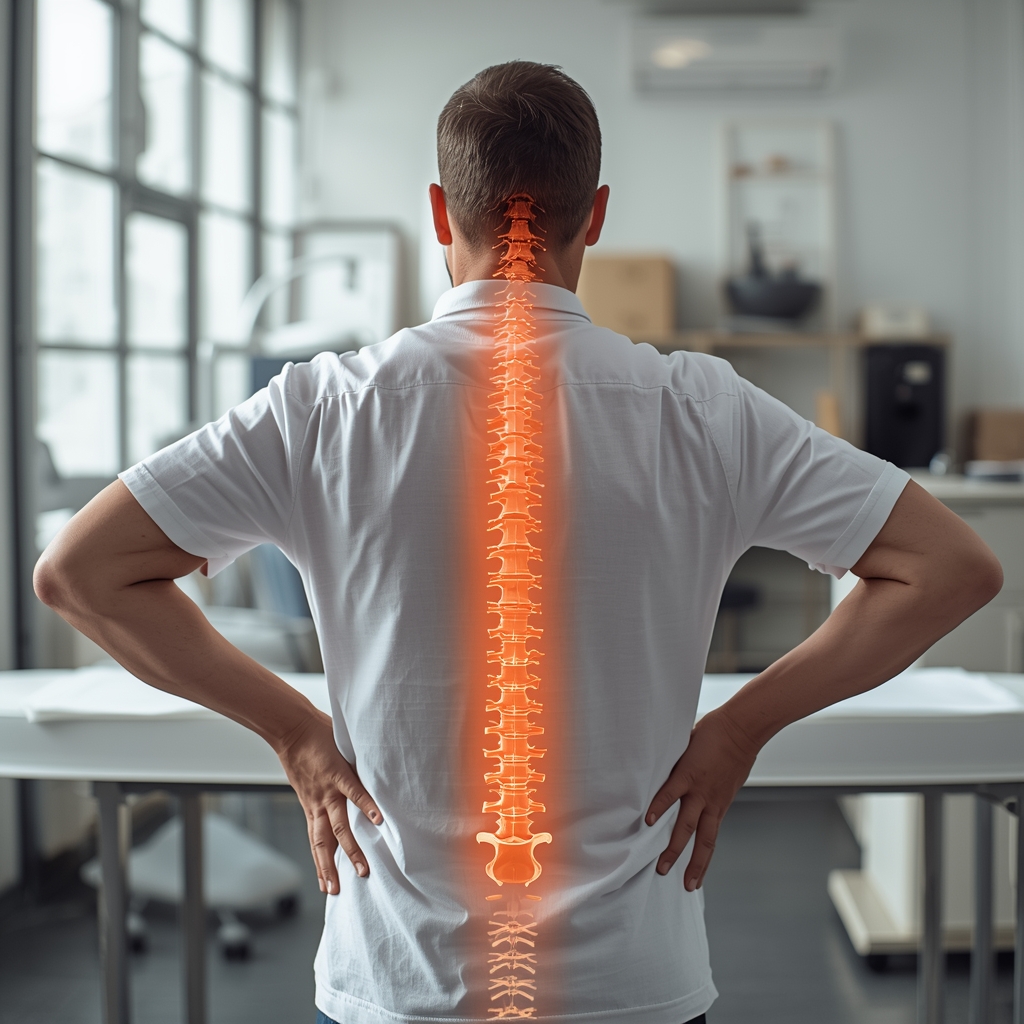
Repetitive strain injuries (RSIs) are common among assembly line workers due to the nature of their tasks, which often involve repetitive motions, prolonged static postures, and forceful exertions. These injuries typically affect muscles, tendons, and nerves, leading to pain, reduced mobility, and decreased productivity. Common conditions include carpal tunnel syndrome, tendonitis, and myofascial pain. The cumulative stress from daily routines can exacerbate these issues, making proactive care essential. Chiropractic care offers non-invasive solutions to address RSIs by targeting musculoskeletal imbalances and promoting natural healing. Understanding the mechanisms behind RSIs helps workers and healthcare providers develop effective strategies to mitigate their impact and support long-term wellness.
Chiropractic Techniques for Repetitive Strain Injuries
Chiropractic care employs a variety of techniques to treat repetitive strain injuries, focusing on restoring proper function and reducing pain. Spinal adjustments, soft tissue therapies, and mobilization techniques are commonly used to alleviate pressure on nerves and muscles. These methods aim to improve joint mobility, enhance blood flow, and reduce inflammation. For assembly line workers, techniques that address both structural and functional issues are particularly valuable. By identifying and correcting misalignments or dysfunctions, chiropractors help the body heal more efficiently. The goal is not only to relieve symptoms but also to prevent recurring injuries through targeted interventions. This holistic approach aligns with the principles of evidence-based chiropractic care, emphasizing patient-centered solutions for occupational musculoskeletal challenges.
Active Release Technique (ART) for Muscle and Tendon Recovery
Active Release Technique (ART) is a specialized soft tissue therapy that effectively treats repetitive strain injuries by addressing muscle and tendon restrictions. This technique involves applying precise pressure while the patient actively moves the affected area, breaking down scar tissue and adhesions that limit mobility. For assembly line workers, ART can target specific regions like the wrists, shoulders, and elbows, which are prone to overuse injuries. By restoring normal tissue texture and function, ART reduces pain and accelerates recovery. The method is particularly beneficial for conditions such as tendonitis and carpal tunnel syndrome, where soft tissue damage is a primary concern. Chiropractors trained in ART can tailor treatment plans to individual needs, ensuring comprehensive care that supports both immediate relief and long-term musculoskeletal health.
Spinal Adjustments and Nervous System Function
Spinal adjustments play a crucial role in treating repetitive strain injuries by optimizing nervous system function. Misalignments in the spine, or subluxations, can interfere with nerve signals, contributing to pain and impaired muscle function. Chiropractors use manual or instrument-assisted adjustments to realign the spine, reducing pressure on nerves and improving overall body function. For assembly line workers, this can alleviate referred pain and enhance the body’s ability to heal. By restoring proper spinal mechanics, adjustments also support better posture and movement patterns, which are essential for preventing further injury. This approach underscores the interconnectedness of the musculoskeletal and nervous systems, highlighting how chiropractic care addresses both the symptoms and underlying causes of RSIs.
Soft Tissue Therapies for Pain and Inflammation Reduction
Soft tissue therapies are integral to chiropractic treatment for repetitive strain injuries, focusing on reducing pain, inflammation, and muscle tension. Techniques such as massage, myofascial release, and trigger point therapy help relax overworked muscles and improve circulation. These methods are particularly effective for addressing the localized discomfort and stiffness that often accompany RSIs. By targeting specific areas of tension, soft tissue therapies can enhance range of motion and reduce the risk of further injury. Chiropractors may combine these techniques with other interventions to create a comprehensive treatment plan. For assembly line workers, incorporating soft tissue therapies into regular care can promote faster recovery and greater comfort during daily tasks, supporting long-term musculoskeletal resilience.
Integrating Ergonomics for Long-Term Recovery
Effective treatment of repetitive strain injuries extends beyond in-office care to include ergonomic adjustments in the workplace. Chiropractors often collaborate with workers to evaluate and modify their environments, reducing strain on the body during repetitive tasks. This may involve adjusting workstation setups, recommending proper tool use, or suggesting movement breaks to prevent overuse. By addressing ergonomic factors, chiropractic care supports sustainable recovery and injury prevention. These strategies help assembly line workers maintain optimal posture and movement patterns, minimizing the risk of recurring injuries. Integrating ergonomic principles into daily routines reinforces the benefits of chiropractic treatments, fostering a proactive approach to musculoskeletal health. This holistic perspective ensures that workers can return to their roles with greater comfort and efficiency.













